
NVIDIA Says GeForce RTX and DGX Spark Users Can Run OpenClaw Locally With Faster AI Performance
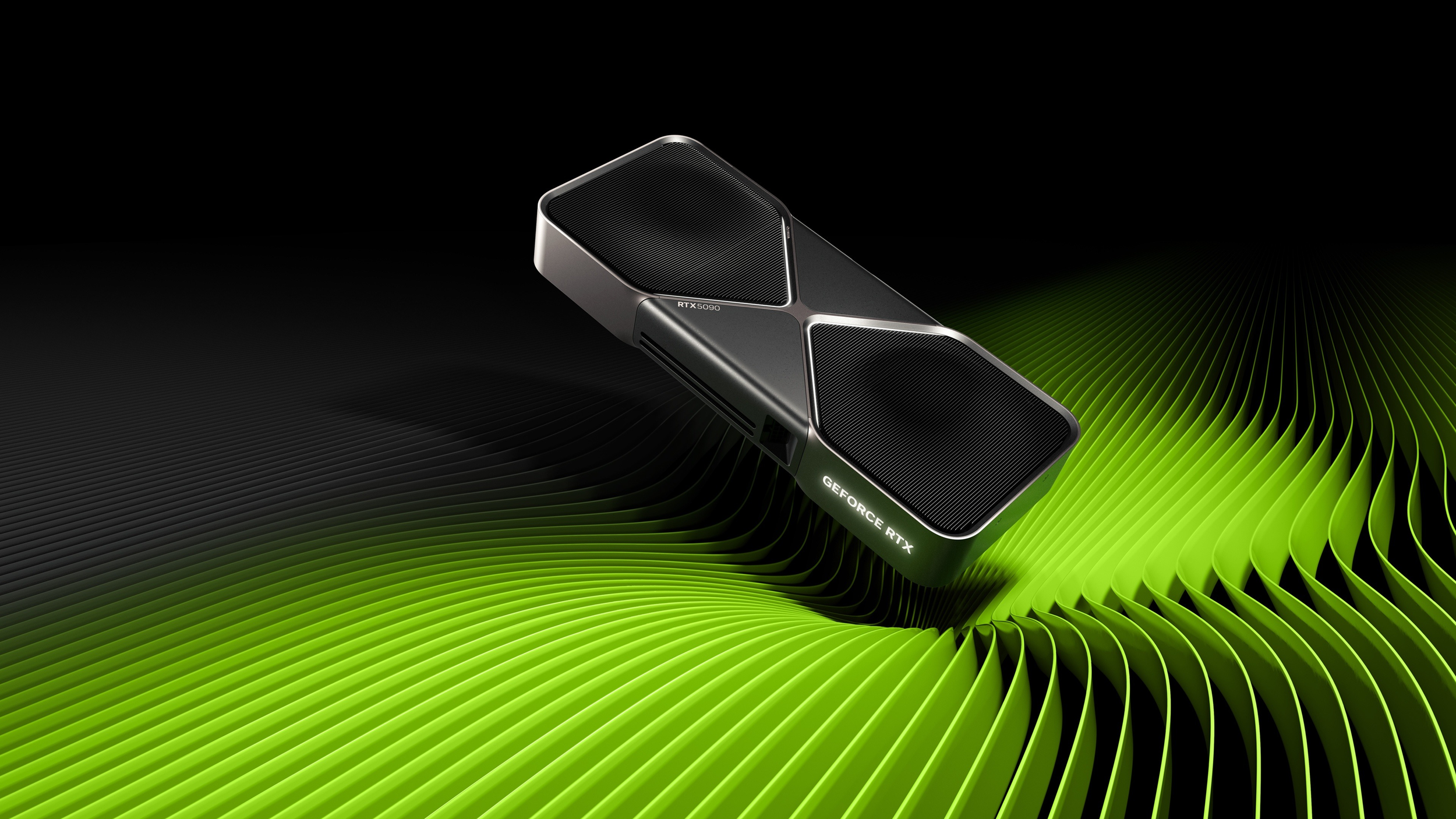
NVIDIA is spotlighting a practical new workflow for running local AI agents, positioning OpenClaw as a free option for owners of GeForce RTX GPUs and DGX Spark systems who want an always available assistant that runs on their own machine. The core pitch is simple. Keep the agent local first, keep data and context close to the user, and lean on RTX AI acceleration or DGX Spark memory capacity to improve responsiveness and throughput.
OpenClaw is part of a growing wave of AI agents that aim to act less like a chat box and more like an operating layer for your daily work. Alongside projects like Clawbot, Motlbot, and OpenClaw, the focus is on persistent context, system level access where permitted, and the ability to take multi step actions across files, email, calendars, and research tasks.
NVIDIA’s guide frames OpenClaw around a local first architecture and a broad capability stack, then maps it to RTX and DGX Spark hardware. For users, the most relevant value proposition is control plus performance. You are not just running a model, you are running an assistant that can be tuned to your workflow, with faster inference and creative pipelines when the hardware supports it.
Here are some of the use cases NVIDIA highlights for an agent like OpenClaw:
Personal secretary workflows, including drafting email replies based on user context, scheduling help, reminders, and calendar coordination
Proactive project management, including status checks, follow ups, and recurring nudges through messaging and email channels
Research agent output, combining web search with local files to generate reports and summaries
On the performance side, NVIDIA claims DGX Spark has received updates that boost performance by 2.5x since launch, while RTX AI GPUs see up to 35% faster LLM performance and up to 3x faster creative AI performance using the new NVFP4 instruction set. The big narrative is that RTX AI PCs are now well suited for local agent experiences, while DGX Spark is positioned as a premium local solution thanks to a 128 GB memory pool that can support much larger model footprints.
NVIDIA’s setup guidance is designed to be approachable for enthusiasts who want a clean starting path rather than a full DIY stack from scratch. The high level requirements NVIDIA lists include:
Windows setup via WSL
Local LLM configuration using LM Studio or Ollama
Recommended model pairings by GPU memory tier, scaling from smaller 4B class models on 8 GB to 12 GB GPUs up to gpt oss 120B on DGX Spark with 128 GB memory
For gamers and creators, this is an interesting convergence moment. The same RTX hardware that powers high refresh gaming and content creation is increasingly being positioned as an AI acceleration layer for local assistants, creative generation, and productivity automation. If OpenClaw and similar tools continue to mature, the long term differentiator will not just be raw model size. It will be agent reliability, safe permissions, and how well the tool can execute tasks without friction across the apps people already use.
Would you actually run a local first AI agent like OpenClaw on your own RTX PC for email, calendar, and file workflows, or do you prefer cloud assistants even if they trade privacy for convenience?
