
RTX 5060 Ti 16 GB Climbs to 799.99$ on Newegg After Launching at 429$
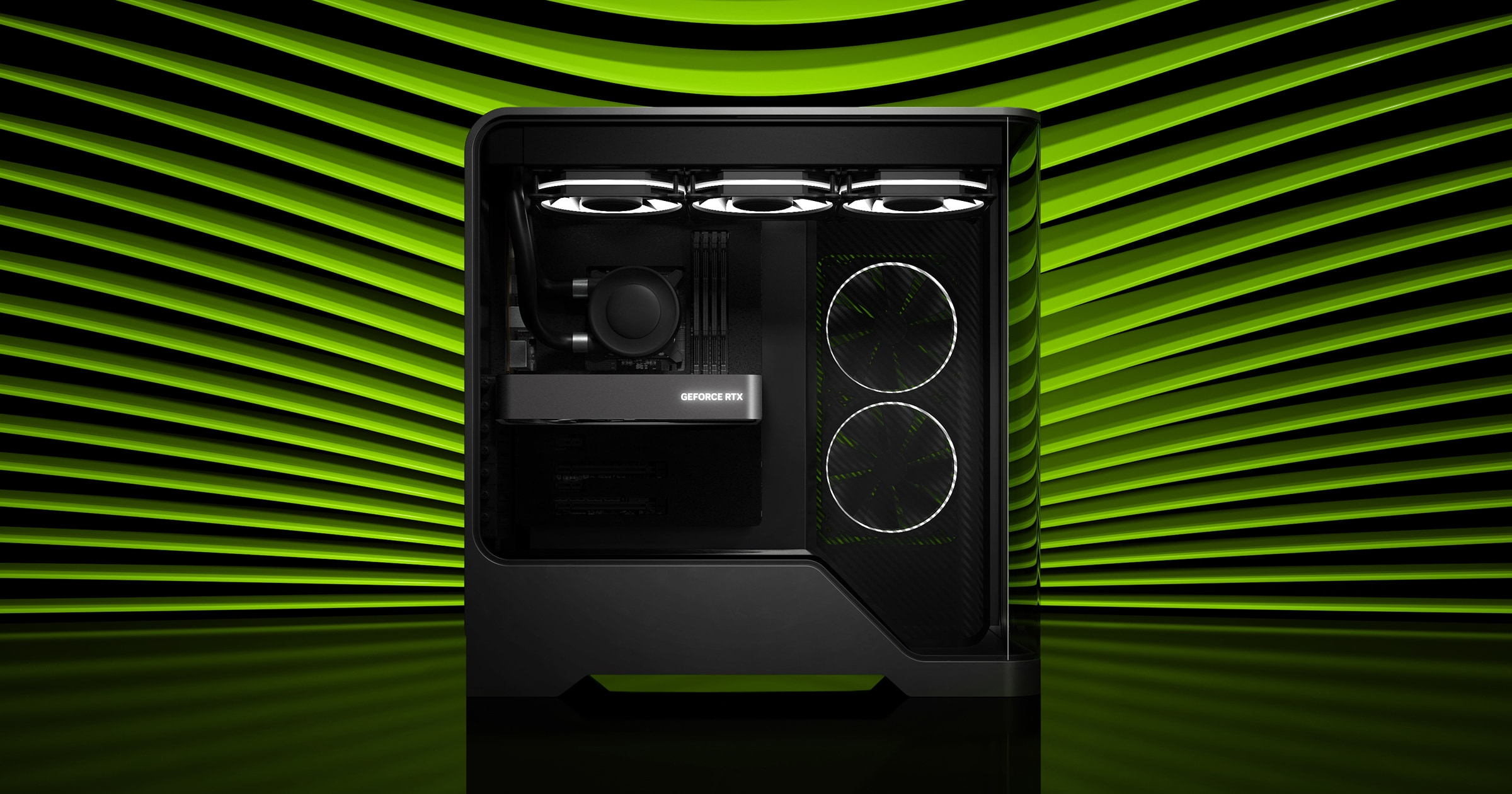
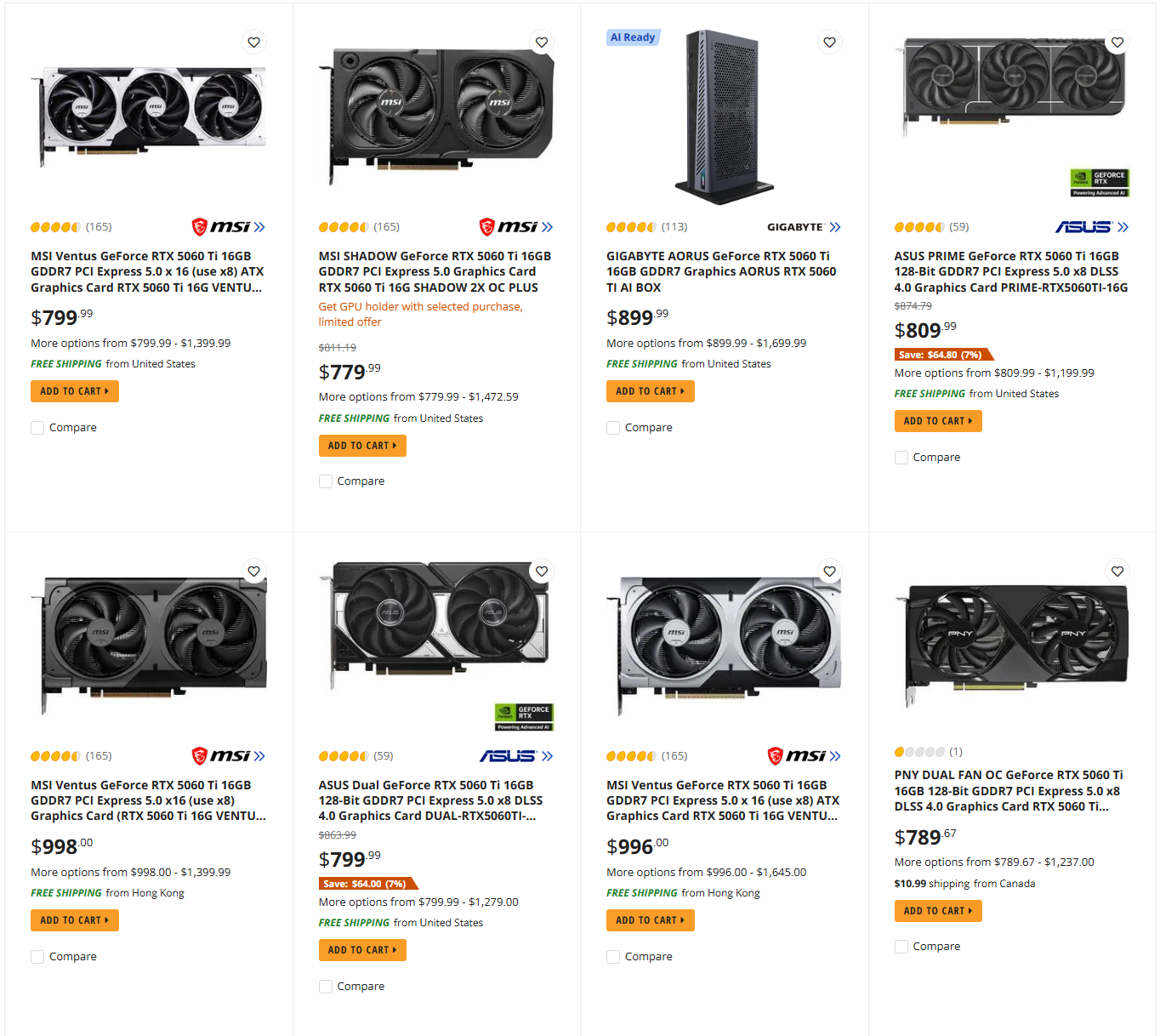
The graphics card market continues moving in the wrong direction for PC gamers, with the GeForce RTX 5060 Ti 16 GB now appearing at approximately 800$ on Newegg. A current ASUS Dual RTX 5060 Ti 16 GB listing is priced at 799.99$, while other RTX 5060 Ti 16 GB models are appearing at similar or substantially higher prices across the retailer. The situation is particularly striking because NVIDIA launched the 16 GB version in April 2025 with an official starting price of only 429$.
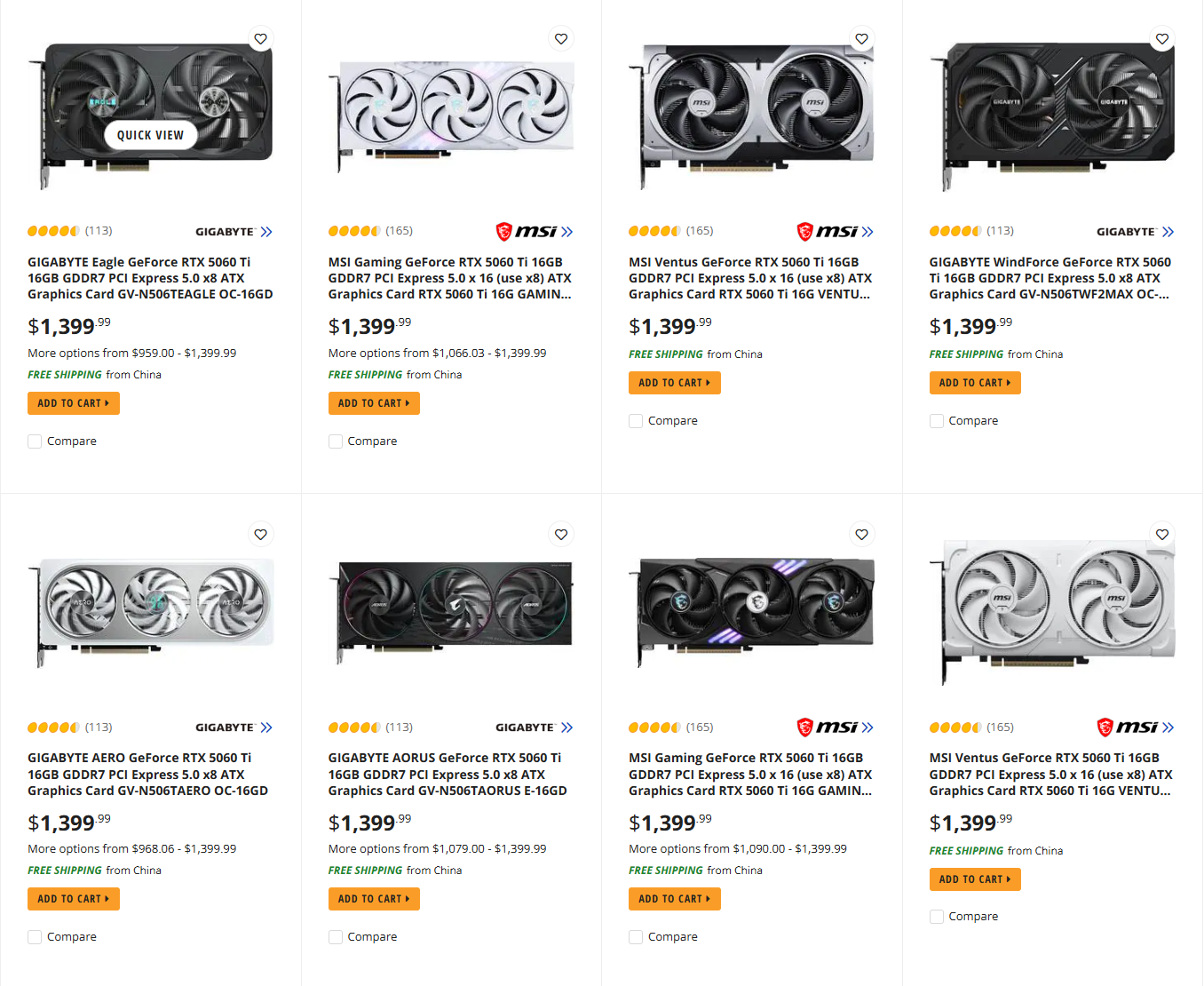
That means the 799.99$ ASUS model is now approximately 86.5% more expensive than NVIDIA's original starting price. This is also not simply an isolated premium card reaching an unusually high price. Recent tracking of Newegg listings placed the RTX 5060 Ti 16 GB at a median price of approximately 804.99$ during August 2026, rising from 569.99$ in June. That represents a 39% increase in only around 2 months.
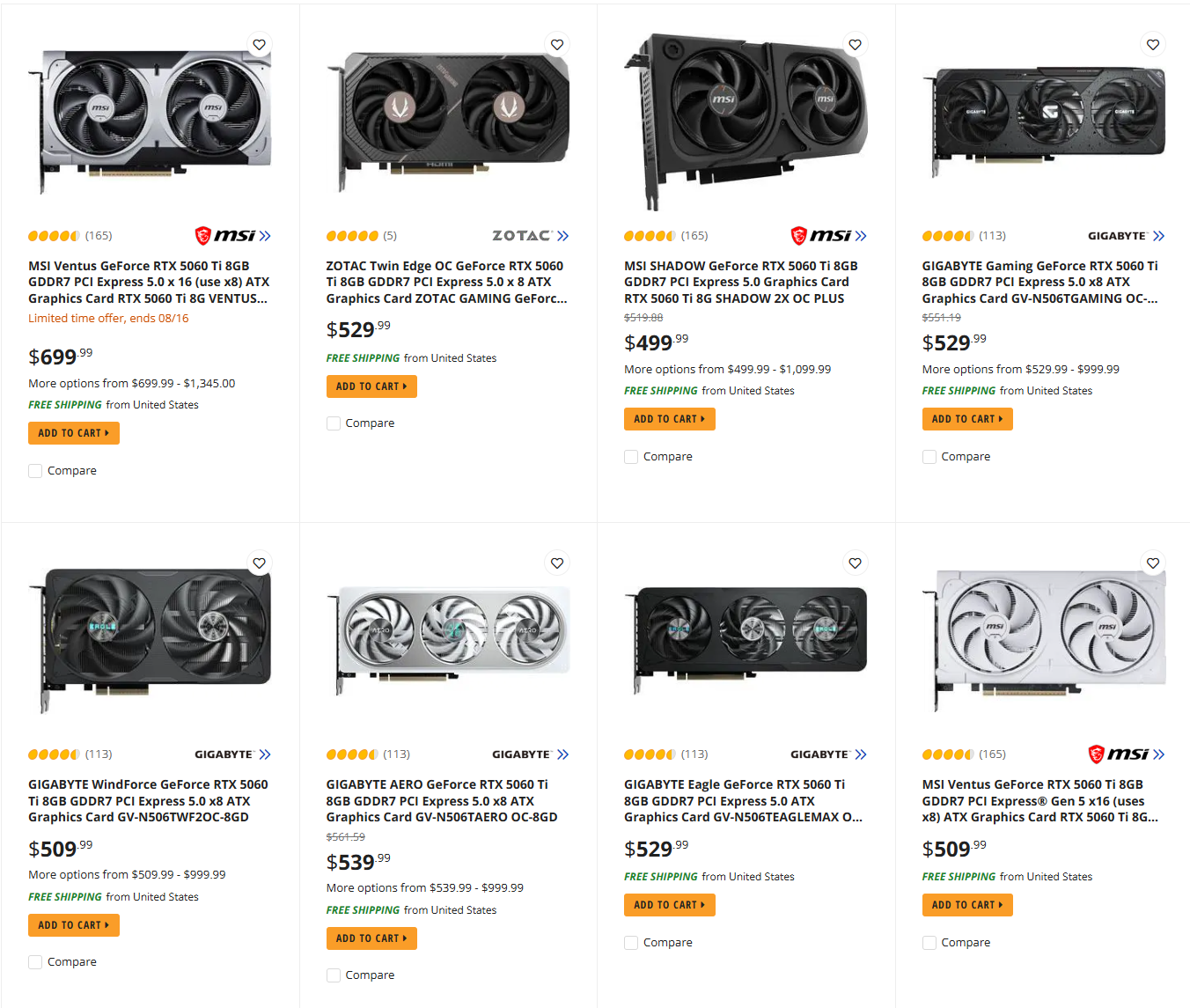
The broader RTX 50 Series market has moved in the same direction. Newegg tracking placed the RTX 5060 at a median 469.99$, the RTX 5060 Ti 8 GB at 529.99$, and the RTX 5070 at 899.99$. Even the RTX 5090 reached a median 4,699.99$. The RTX 5060 Ti 16 GB is particularly difficult to justify because its current pricing pushes what launched as a mainstream performance GPU into territory previously associated with considerably faster graphics cards.
NVIDIA originally introduced the GeForce RTX 5060 Ti on April 16, 2025, with the 8 GB model starting at 379$ and the 16 GB version at 429$. The Blackwell GPU features 4608 CUDA cores, while the 16 GB configuration uses GDDR7 memory across a 128 bit interface and supports NVIDIA technologies including DLSS 4 and Multi Frame Generation. The larger memory capacity has also made the 16 GB model increasingly attractive beyond gaming for local AI, content creation, and other workloads where VRAM capacity can become a limiting factor.
Graphics memory pricing appears to be one of the major contributors to the current increase. MSI raising graphics card prices by more than 20%, RTX 5060 Ti 16 GB models were already facing reported distributor increases of approximately 148$ to 207$ in China as GDDR6 and GDDR7 costs moved higher. ASUS and Gigabyte were also reported to be adjusting graphics card pricing as memory and component costs continued increasing.
The same pressure is increasingly visible across competing GPUs. Recent Radeon RX 9000 pricing increases show that AMD is not completely insulated from rising graphics memory and manufacturing costs either, although NVIDIA's RTX 5060 Ti 16 GB has experienced one of the most dramatic retail increases in the current generation.
The important distinction is that NVIDIA has not officially changed the original 429$ launch positioning of the RTX 5060 Ti 16 GB. These are retail market prices influenced by board partner pricing, memory costs, supply conditions, distribution, and individual sellers. Prices can also change rapidly between retailers and specific models. However, with an August median already above 800$, the issue has clearly expanded beyond a single unusually expensive listing.
Duck IT Take
At 429$, the RTX 5060 Ti 16 GB had a clear role as an accessible Blackwell GPU with enough VRAM for modern gaming, creator applications, and local AI experimentation. At approximately 800$, that value proposition effectively disappears.
The biggest concern is not one ASUS card reaching 799.99$. It is the median RTX 5060 Ti 16 GB price moving into the same territory. A GPU almost doubling in price without receiving any additional performance fundamentally changes where it sits in the market.
The 16 GB model is also particularly exposed to current memory conditions because its larger GDDR7 allocation is now one of its most valuable features. Unfortunately, that same advantage makes it vulnerable when graphics memory becomes expensive. Unless pricing normalizes, PC builders may increasingly have to compare older GPUs, AMD alternatives, complete gaming systems, or simply delay upgrades rather than paying nearly 800$ for a product that entered the market at 429$.
Question for readers
Would you still consider an RTX 5060 Ti 16 GB at around 800$, or has current GPU pricing pushed you toward AMD, older hardware, or delaying your upgrade entirely?
