
Riot Games Will End Active Development on 2XKO in December 2026
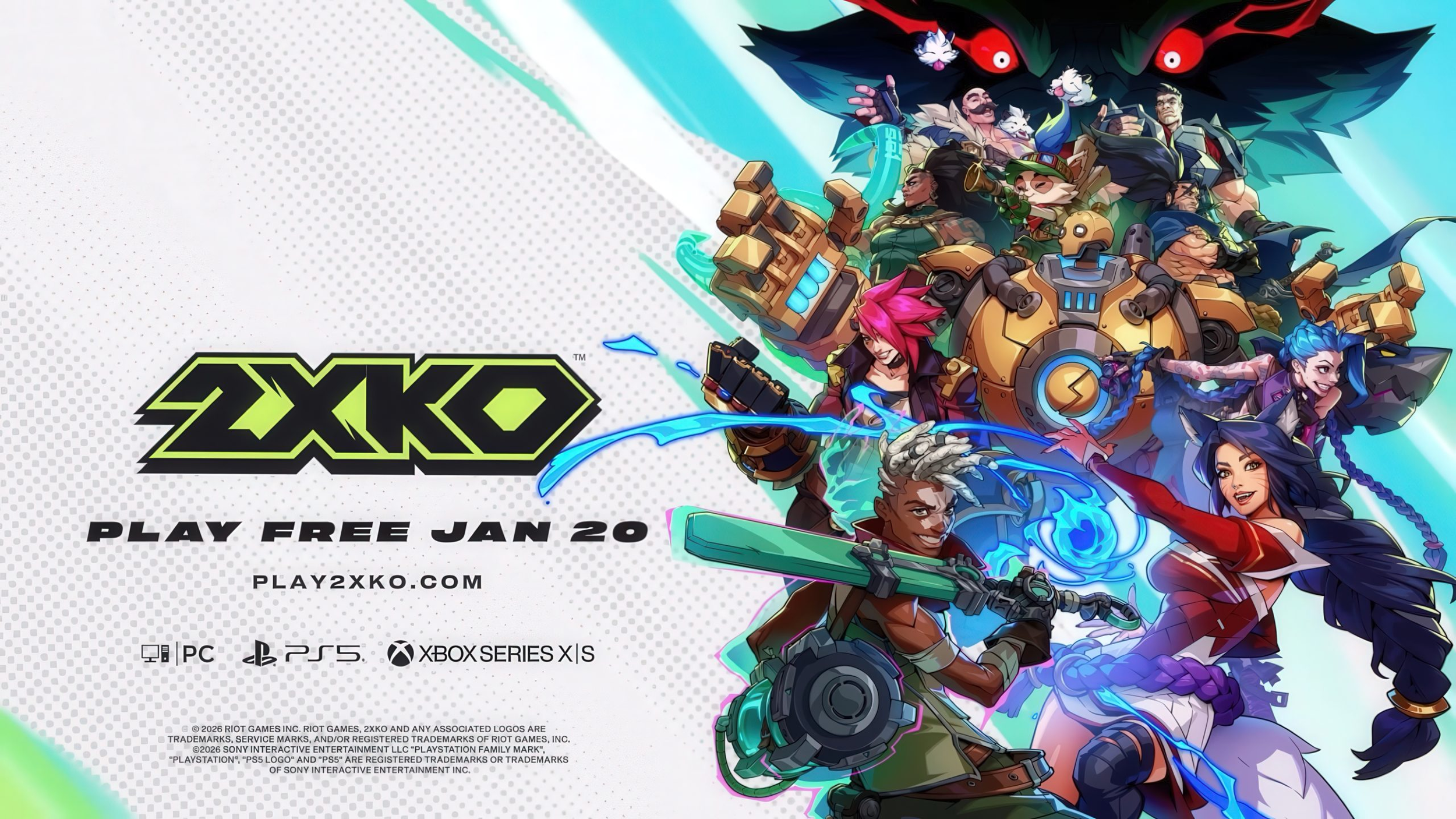
Riot Games has confirmed that 2XKO active development will end in December 2026, marking a major setback for the League of Legends fighting game less than 1 year after its wider launch across PC, PlayStation 5, Xbox Series X and Xbox Series S. The game will not shut down immediately. Riot says servers will remain online beyond 2026, online play will continue, offline play is unaffected, and 2XKO will remain available to download for free across supported platforms. However, once the final bug fix patch is delivered in December, Riot does not plan to release more champions, seasons or major content updates.
"2XKO’s active development will conclude at the end of 2026."
— Quote by: Riot Games
The decision follows months of weak retention, engagement and player growth. Riot said it evaluated overall performance through 2026, including revenue, returning players, new players and community activity. While the game saw positive reactions to Akali, Senna, Thresh, The Climb PVE mode and competitive events, those moments did not create the sustained momentum needed to justify continued full scale development. Riot also confirmed that 2XKO costs substantially more to operate than it brings in, which made another year of active development difficult to defend from both a player support and production planning perspective.
Riot is now shifting into a controlled wind down plan designed to preserve access while reducing monetization and live service complexity. KO Points purchases have already been disabled, physical prepaid cards can no longer be used for 2XKO, and Riot will refund all money spent in 2XKO on or before August 20, 2026. PC players will receive refunds for KO Points and Starter Edition purchases through their original payment method, with most refunds expected within 2 weeks and all PC refunds targeted by November 2026. PlayStation and Xbox refunds will be processed through platform providers, while Japan and Korea refunds will follow local legal requirements.
The final content roadmap still includes several important changes. Patch 1.3.1 arrives on September 8 with Lux, all champions unlocked for every player, many items moved to Credits, an uncapped Credits limit, voice chat and a larger Private lobby map supporting up to 40 players. At the same time, Riot will remove Battle Passes, KO Points, Champion Tokens, seasons, events and Ranked. October’s patch 1.3.3 will add Samira as the final champion and update the 2XKO Ultimate Bundle, which packages most cosmetics into a single 39.99$ purchase. December’s optional patch 1.3.5 will focus mostly on bug fixes if needed, without major new content.
For the fighting game community, this is a painful outcome because 2XKO was one of Riot’s most ambitious attempts to expand the League of Legends universe into a new competitive genre. The game originally carried major expectations because of its 2 versus 2 tag structure, Riot’s online infrastructure, strong character identity and potential esports reach. It also entered the market with a long runway after 2XKO moved into early access on October 7, followed by its console rollout and Season 1 in January 2026. The problem is that the fighting game market is deeply loyal but comparatively narrow, and Riot’s free access model still needed a much larger recurring audience to sustain a live service operation.
The broader industry context makes the decision even more relevant. Live service games are increasingly expensive to operate, and even strong studios are learning that good mechanics alone do not guarantee lasting retention. Recent industry examples, including Highguard layoffs just 2 weeks after launch, show how quickly publishers can reduce support when early engagement falls short. Riot is not abandoning experimentation entirely, saying it will return to its R and D work for future genre projects, but the end of 2XKO active development reinforces how difficult it is to build a sustainable new live service outside a company’s proven core franchises.
2XKO ending active development is not only a fighting game story. It is a live service economics story. Riot had the characters, the brand power, the competitive credibility and the infrastructure, but the project still could not reach the retention level required to support ongoing development. That should be a warning to the entire industry. A strong IP can create curiosity, but it cannot automatically create habit. Fighting games also demand a special balance between casual accessibility, ranked depth, content cadence and community trust. 2XKO clearly found an audience that loved its systems, but not enough players stayed long enough to make the model sustainable. The smartest move now is for Riot to preserve the game respectfully, refund players, keep servers online and apply those lessons before taking another swing at a new genre.
Did 2XKO fail because of the live service model, the fighting game market, or Riot’s content strategy?
