
Retailers Say Amazon FBA Errors and Return Abuse Are Becoming Unsustainable, With Some Claiming Entire Boxes Are Being Shipped Instead of Single Components
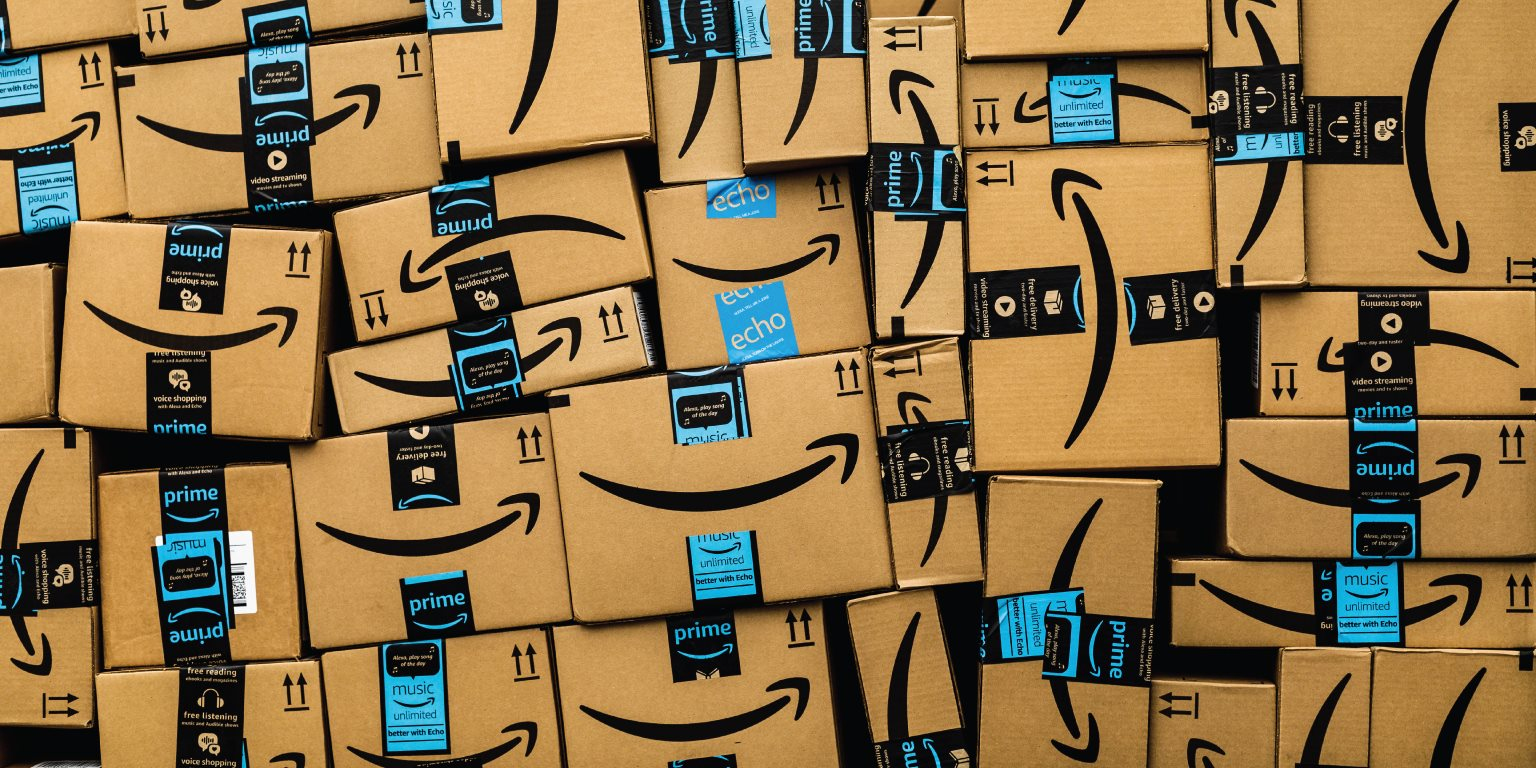
Amazon’s fulfillment network has long been praised by shoppers for its speed and easy returns, but a new report suggests that for some third party retailers, especially hardware sellers, that same system is becoming increasingly difficult to tolerate. According to HKEPC, sellers in Hong Kong and Taiwan told the outlet that Amazon’s Fulfillment by Amazon, or FBA, operation has produced a growing number of costly mistakes, ranging from weak return inspection to cases where warehouse staff allegedly ship an entire box of products instead of a single ordered unit.
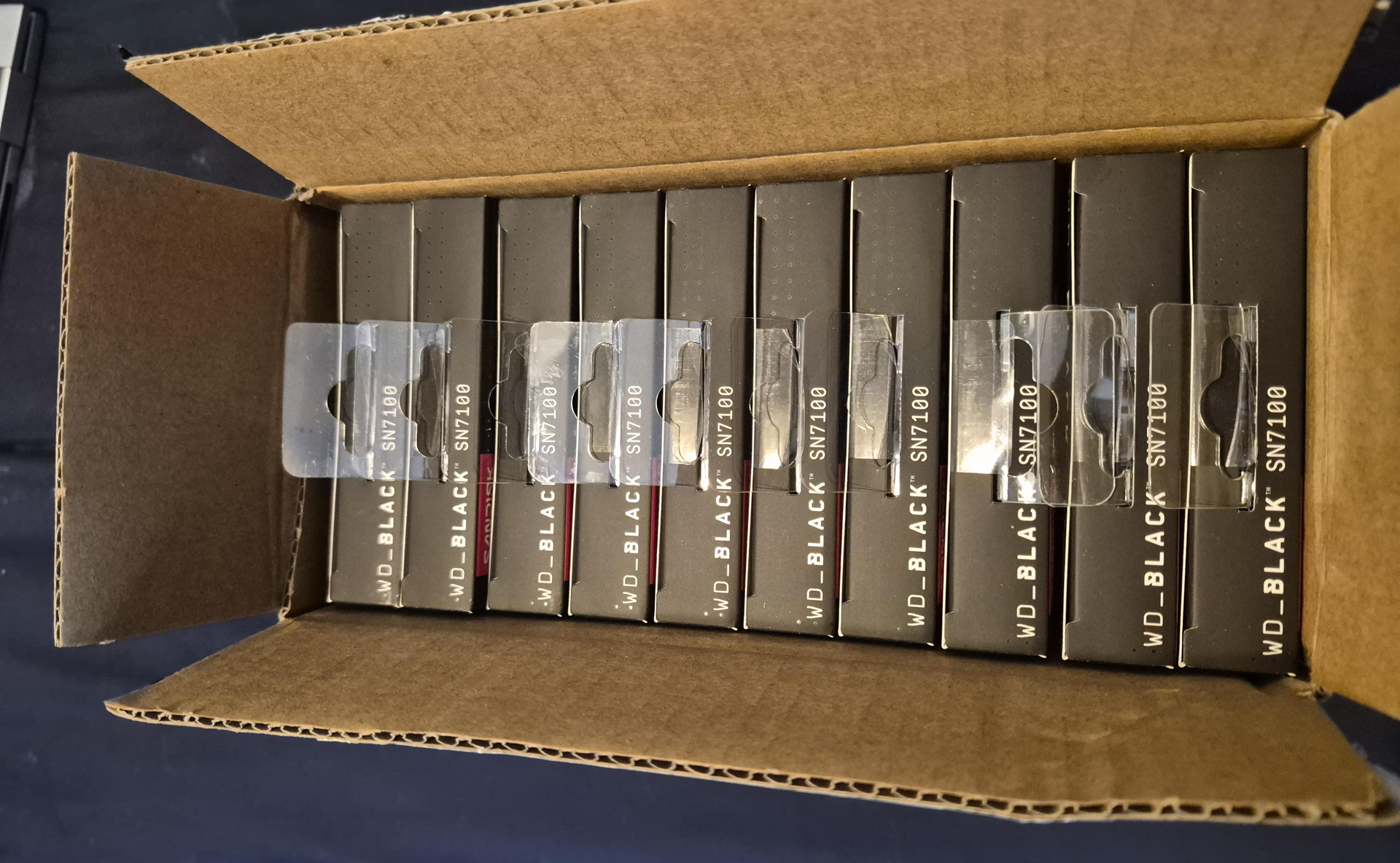
The HKEPC report is built around interviews with 2 sellers. One, identified under a pseudonym, said Amazon staff twice shipped a full carton of 50 items to customers who had only ordered 1 unit, leaving the seller with a loss of 98 products across the 2 incidents. Another seller from a Taiwan based memory brand reportedly told HKEPC that these errors are real and serious enough that the company has changed its packaging approach from 20 units per box to 10 units per box to reduce the damage if a full carton is sent by mistake.
The same report also claims that Amazon’s returns system can leave sellers absorbing the cost of abuse. HKEPC says sellers described returned products arriving damaged or with contents swapped out, and alleged that warehouse staff sometimes do not inspect them carefully before items are relisted or refunds are issued. In the examples cited by HKEPC, sellers said that when a future customer then receives a damaged or swapped item, Amazon refunds the buyer, but the financial hit still lands on the seller rather than Amazon itself.
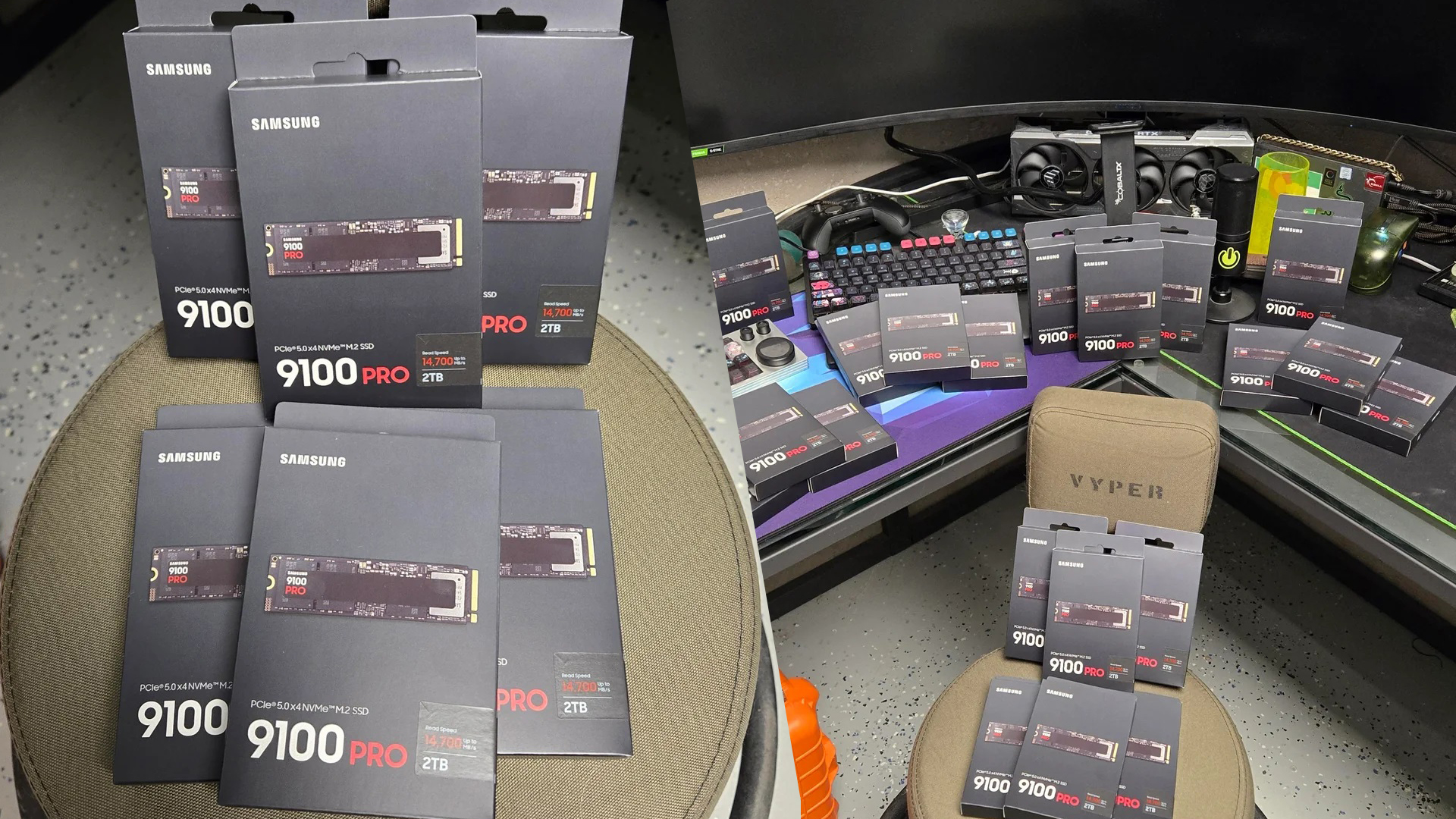
While HKEPC’s piece is based on a small number of named but partially anonymized retailer accounts, the broader themes are not isolated. Amazon’s own seller forums show recurring complaints from merchants about return fraud, switched items, damaged returns, and reimbursement disputes. In one January 2026 forum thread, a seller wrote that what used to be roughly 1 in 20 returns being “switcheroos” had worsened to closer to 1 in 5 returns being item swaps or heavily damaged merchandise. In another September 2025 discussion, a seller said returned items were sometimes replaced with “scraps of garbage” and that reimbursement requests were being denied because Amazon classified the issue as customer damage. These are seller forum claims rather than independently audited data, but they do show that the HKEPC story fits a wider pattern of merchant frustration.
There is also some supporting evidence for warehouse count and carton handling problems. In a May 2024 Amazon UK seller forum discussion, one seller complained that Amazon fulfillment recorded only 10 units instead of the actual 500 units sent across shipments, while other seller forum posts from 2025 describe missing entire boxes, incorrect receiving, and unresponsive warehouse investigations. Again, forum posts are anecdotal rather than conclusive proof of systemic failure, but they do reinforce the idea that FBA inventory handling errors remain a live issue for some merchants.
The bigger tension here is structural. Amazon’s customer first model is one of the main reasons shoppers trust the platform, especially for expensive electronics. But the HKEPC report argues that this same policy environment can become punishing for sellers when refunds are processed quickly, inspections are inconsistent, and FBA handling errors are hard to challenge. HKEPC’s interviewed sellers say they remain on the platform not because the system is fair, but because Amazon is too important to leave if they want access to the US market at scale.
It is also worth noting what is not confirmed. I did not find a public Amazon corporate response to the specific HKEPC claims about full cartons being shipped in place of single units or about the interviewed sellers’ losses. Amazon seller guidance and forum materials do acknowledge inspection, reimbursement, and automated refund processes, but that is not the same as admitting the specific failures described here. So for now, the strongest way to frame this is that retailers are alleging a worsening pattern of FBA mistakes and return handling problems, and those allegations are consistent with a broader body of seller complaints, even if the exact scale of the issue is still unclear.
For PC hardware sellers, especially those moving RAM, SSDs, and other high value compact parts, this matters a lot. These are products where a single fulfillment mistake can wipe out the margin from many correct orders, and where fraudulent returns are especially painful because the goods are small, easy to swap, and expensive enough to attract abuse. That may explain why some retailers now seem less amused by Amazon’s accidental “bonus shipment” stories than the internet is.
What do you think is the bigger problem here: Amazon’s warehouse accuracy, or a returns system that retailers feel is too easy to exploit?
