
Forbes Report Says Bungie’s Marathon May Have Cost More Than 250 Million Dollars to Make
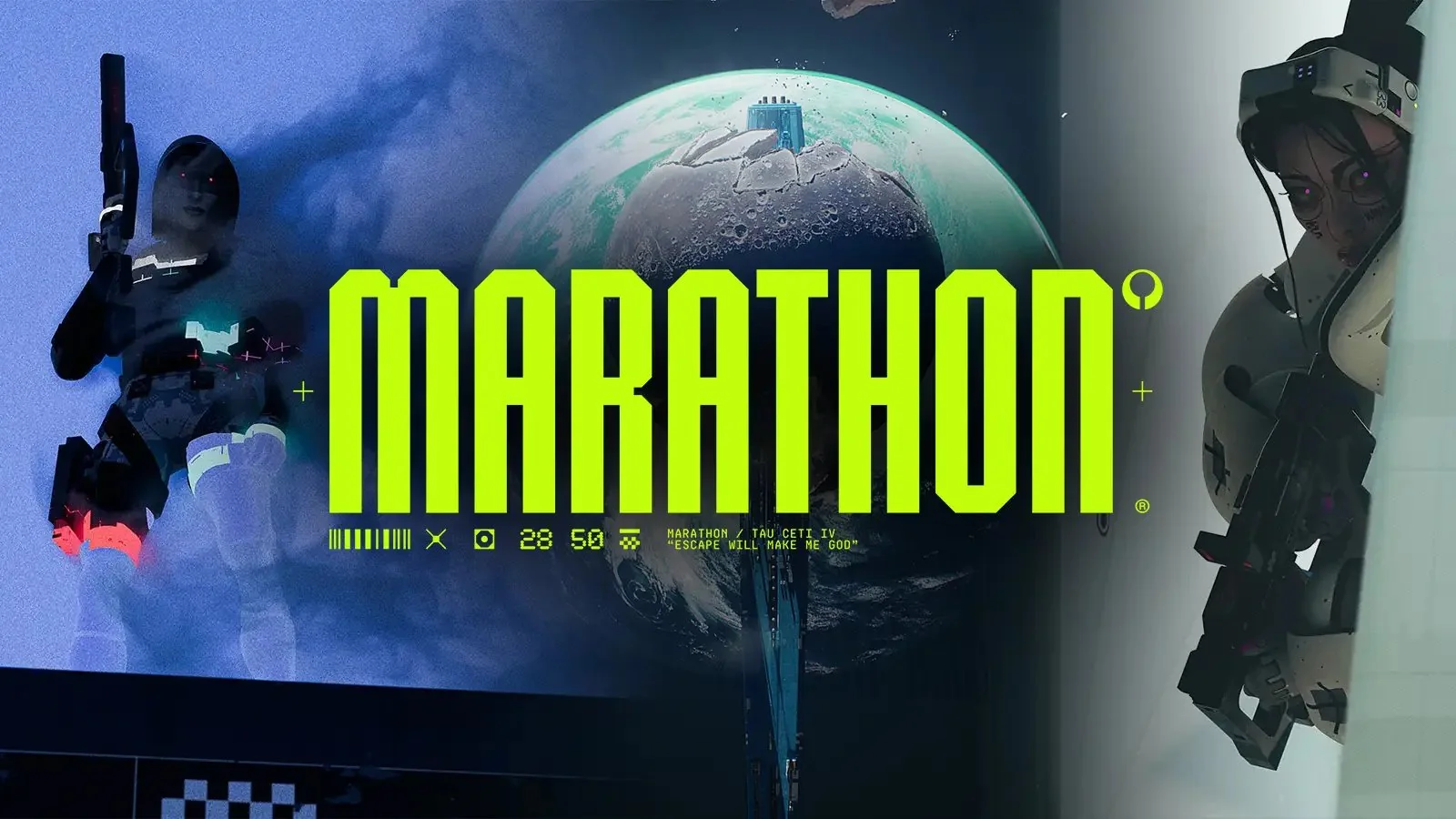
A new report suggests Bungie’s Marathon may be one of the most expensive new live service shooters of the current generation. In a fresh Forbes check in on the game’s first month on the market, Paul Tassi wrote that he can confirm Marathon’s budget is over 200 million dollars, and “likely more than 250 million dollars,” adding that this figure does not include ongoing costs for maintenance and future content. That makes the reported number significant not only for Bungie, but for the wider live service market as well.
That budget figure has not been publicly confirmed by Bungie or Sony, so it should be treated as a report rather than an official company disclosure. Even so, if accurate, it would place Marathon firmly in the same broad spending tier as many modern AAA productions, especially at a time when blockbuster development budgets have continued climbing across the industry.
Marathon launched on March 5, 2026 for PC, PS5, and Xbox Series X|S, marking Bungie’s first major new release in years and its attempt to reintroduce the classic Marathon universe as a modern extraction shooter. Bungie’s official site describes it as a team based survival extraction FPS set on Tau Ceti IV, with players scavenging, fighting, and extracting loot in a hostile sci fi environment.
The scale of the reported budget matters because Marathon is not a one and done single player release. Tassi’s note specifically says the figure does not include post launch support, which means the true lifetime cost of the project could end up significantly higher once ongoing updates, balancing, seasonal content, live operations, and marketing are all factored in. In other words, even a strong launch may not automatically settle questions about long term profitability.
That is where the conversation around Marathon gets more complicated. A reported budget north of 250 million dollars does not automatically mean the game is in trouble, but it does raise the bar for what qualifies as a commercial success. The modern live service market is crowded, player retention is brutal, and launch momentum alone rarely tells the whole story. Marathon is not being judged only on copies sold or first month curiosity. It will be judged on how well Bungie can keep players engaged over time, how effectively it can monetize ongoing support, and whether it can avoid the steep drop off that has hit so many expensive multiplayer projects in recent years. This is analysis based on the reported budget structure and the economics of live service development, not a confirmed internal Sony or Bungie target.
There is also a broader industry angle here. The reported Marathon number fits a growing pattern in AAA development where budgets keep stretching higher while audience attention becomes harder to hold. That creates enormous pressure on every major multiplayer launch, especially one tied to a studio like Bungie, whose reputation and future roadmap are watched much more closely than most. Marathon may have the brand strength, gunplay pedigree, and platform reach to stay in the fight, but if the reported budget is even close to accurate, expectations around its long term performance will be extremely high.
For now, the clearest takeaway is this: the reported price of making Marathon appears massive, and that alone explains why every discussion around its player counts, sales, content cadence, and retention curve is going to be amplified. Bungie did not build a modest experiment here. It built something that, if the Forbes report is accurate, needed a blockbuster level investment just to get out the door.
What do you think matters more for Marathon now: its first month sales, or whether Bungie can prove it has long term staying power as a live service game?
