
Resident Evil Requiem Makes Zombies Scarier by Letting Them Keep Fragments of Their Human Memories
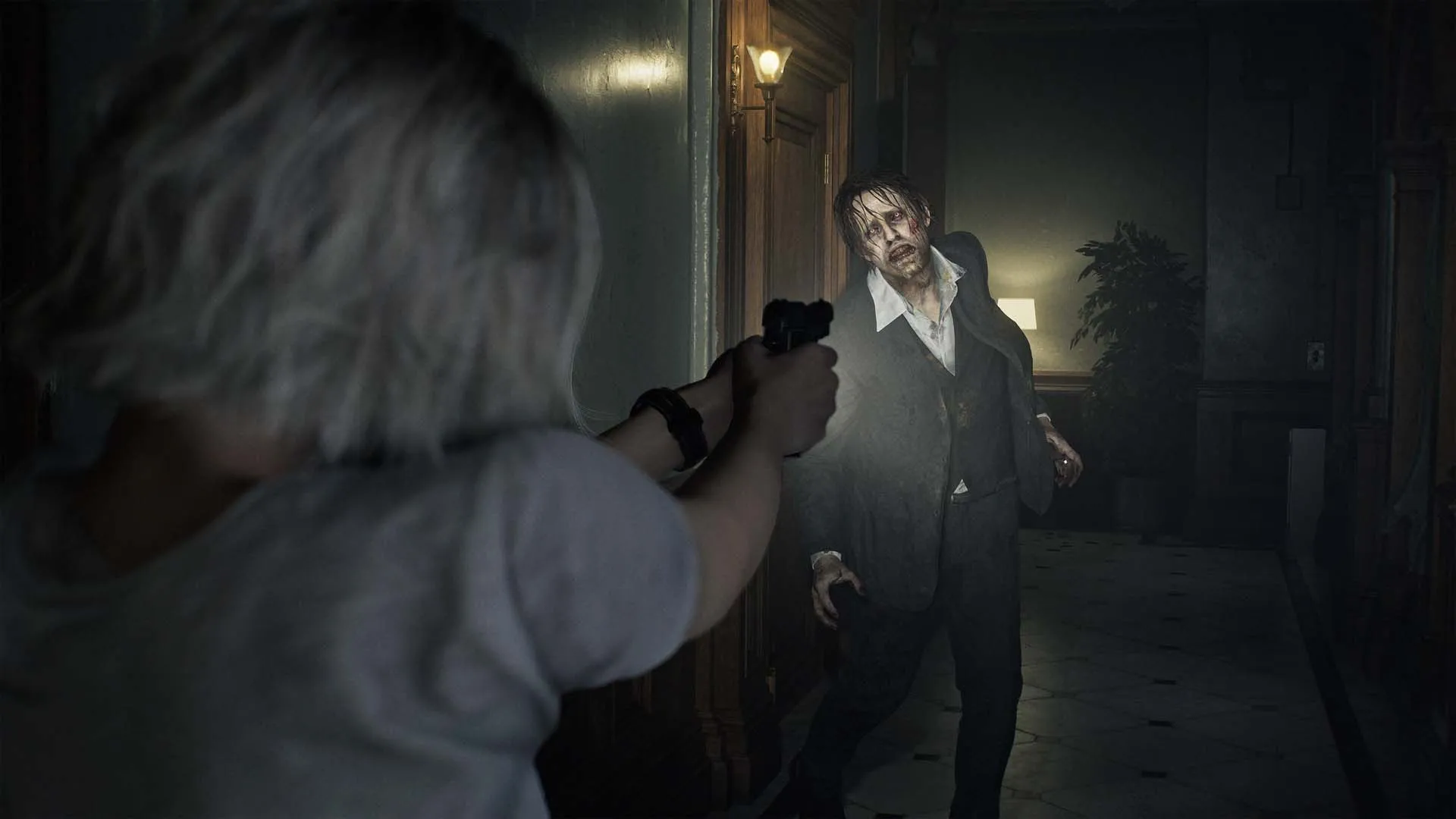
CAPCOM has spent most of the marketing cycle for Resident Evil Requiem holding back several key details, and not just the now officially confirmed presence of Leon Kennedy as a playable character. The bigger question for long time fans has been the series cornerstone itself: the zombies. What do they look like in this new entry, and more importantly, how do they behave when you think you already know every trick in the book after decades of Resident Evil muscle memory.
In a new interview with GameSpot, Game Director Koshi Nakanishi laid out CAPCOM’s design pivot. The studio is aiming to make zombies unpredictable again by having them retain traces of their previous human behavior and memory. The team frames this as a delicate balancing act: change zombies too much and they stop feeling like Resident Evil, keep them too traditional and veteran players can read them instantly, which drains tension from encounters.
The key idea is freshness. In Requiem’s setting, many of the infected are described as having turned very recently, meaning the transformation is not fully settled into the classic slow and mindless archetype. That opens the door for behaviors that feel eerily human. A pause that looks like recognition. Movement that suggests instinct instead of pure hunger. Body language that creates doubt about what they will do next. That uncertainty is the product CAPCOM is selling here, because fear in survival horror is less about what you see and more about what you cannot confidently predict.
From a gameplay perspective, this is a smart attempt to re inject threat into an enemy type that has become familiar to the point of comfort for a lot of players. Experienced fans typically optimize around zombie rules: spacing, baiting, headshot rhythm, doorway management, and safe rotations. If zombies can occasionally subvert those expectations through leftover habits from their former life, then every approach becomes a higher stakes read rather than a solved pattern. That also pairs well with modern Resident Evil pacing, where tight resource economies and sudden pressure spikes thrive when the player cannot fully trust their playbook.
Whether this design shift actually restores that classic dread will come down to execution: animation tells, AI decision variety, consistency without being predictable, and how often the game lets the player feel surprised without making the system feel random. With Resident Evil Requiem expected to launch in late February 2026 across all platforms, we will not have to wait long to see if CAPCOM’s zombie refresh lands as a meaningful evolution or just a clever marketing hook.
What do you want more from Resident Evil zombies in 2026, smarter behavior that feels human, or the classic simple threat that supports stronger pacing and resource pressure?
