
OLED Monitor Panel Shipments Jump 65% in 2025, Forecast to Maintain Over 50% Growth in 2026 as QD OLED and New Tandem Panels Expand Adoption
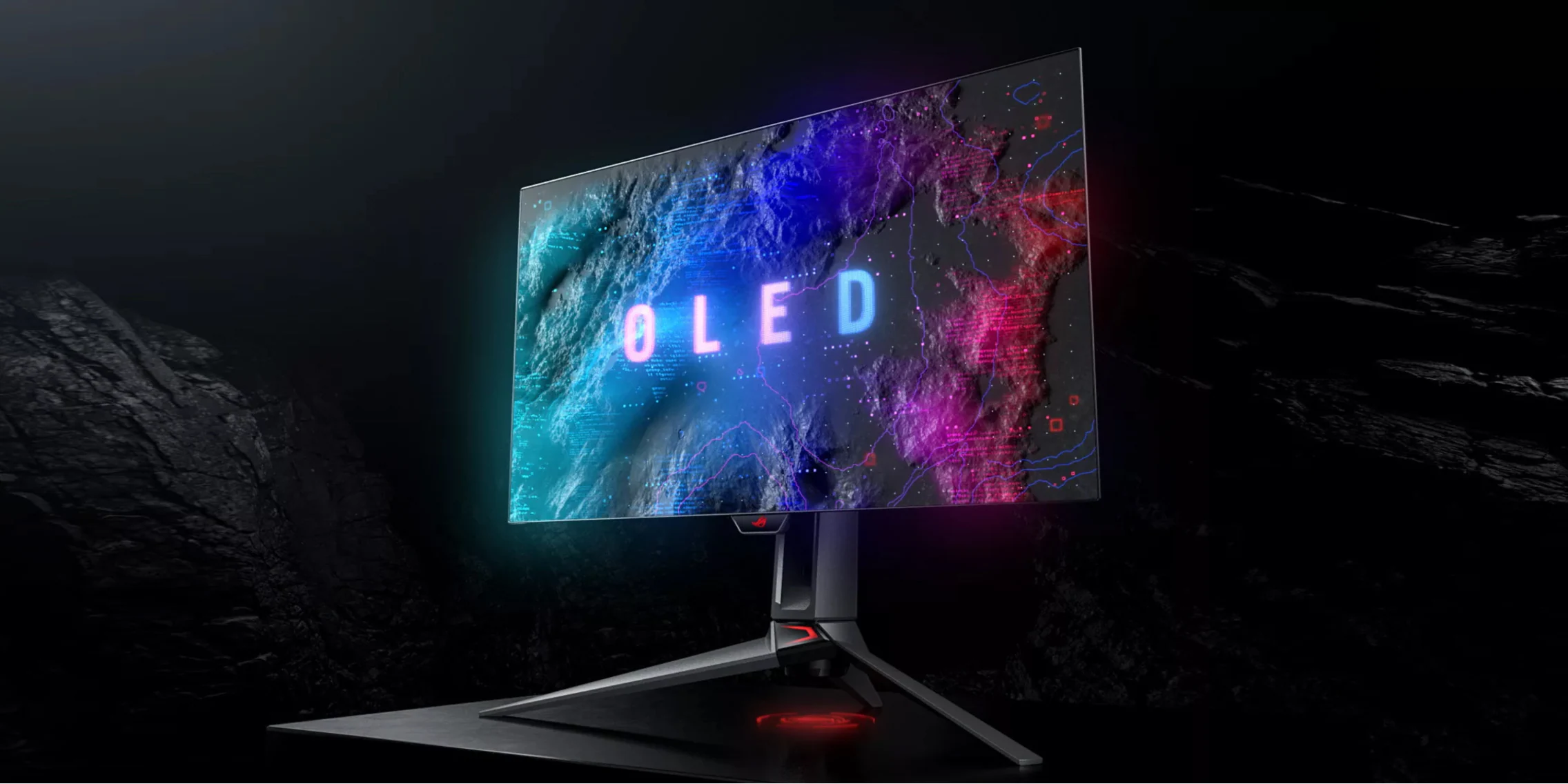
OLED monitors are no longer a niche premium pick for early adopters. They are rapidly becoming a mainstream upgrade cycle driver for gamers, creators, and productivity users who want higher contrast, faster response, and more convincing HDR in real world scenes. New market tracking shared by UBI Research underlines just how quickly the category is scaling, with global OLED monitor panel shipments climbing from 1.95 million units in 2024 to 3.2 million units in 2025, a 64% year over year increase that effectively confirms OLED monitors have crossed into an expansion phase rather than a slow adoption curve.
The forecast narrative is just as aggressive. UBI Research expects shipments to reach 5.0 million units in 2026, which implies roughly 56% year over year growth if the market holds its current trajectory. Longer term, the projection points to OLED monitor panel shipments exceeding 15.0 million units by 2030, signaling that the monitor segment is positioning itself as one of the clearest high value deployment lanes for large area OLED beyond televisions and mobile devices. The practical takeaway is simple: monitor brands are treating OLED as a core portfolio pillar, not a halo SKU.

To put the acceleration into historical context, earlier market outlooks showed OLED monitors still in the early innings. In 2022, OLED monitor shipments were around 600,000 units with forecasts indicating continued growth into 2026, even while the broader premium monitor market remained dominated by alternative technologies. That earlier baseline is captured in the DSCC referenced overview on OLED Info, highlighting how quickly the category has moved from experimental volumes to multi million unit scale.
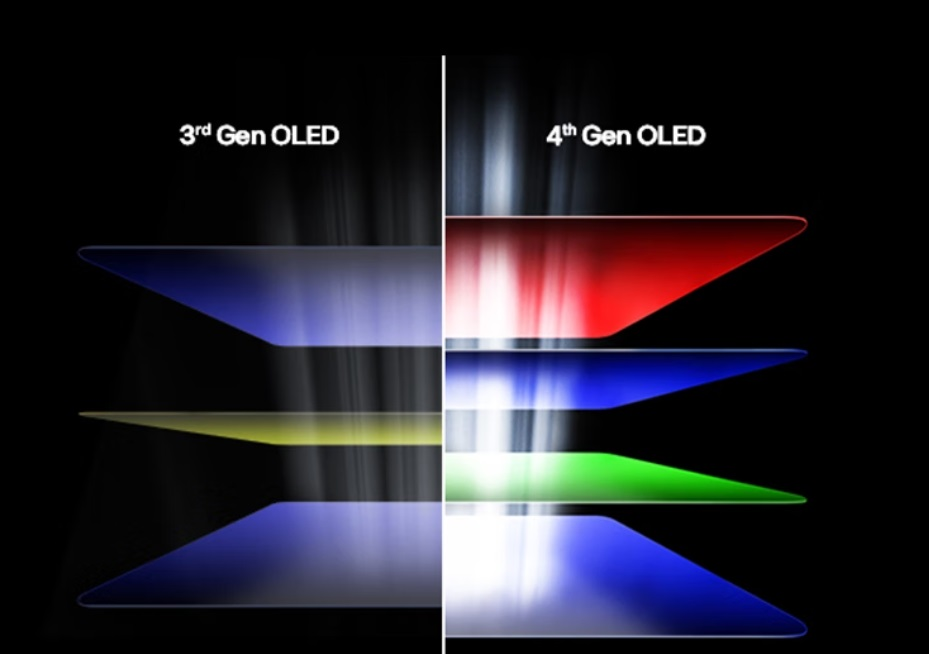
A key catalyst is panel maker strategy. Samsung Display continues to push QD OLED as a premium monitor differentiator, giving brands a path to brighter highlights and strong color performance that plays especially well for competitive gaming and creator workflows. On the other side, LG Display is advancing its newer OLED stacks, including Primary RGB Tandem OLED designs that target higher brightness and stronger sustained luminance, which is critical for HDR consistency across longer sessions. Combined with price normalization and a wider lineup of sizes and refresh rate tiers, OLED monitors are becoming easier to justify for players who previously stayed on fast IPS or high end VA.
For the gaming audience, this growth is not just a shipment story, it is a usability story. As OLED availability expands, players are increasingly weighing motion clarity, response behavior, and HDR impact against burn in concerns and pricing. If 2025 proved OLED can scale, 2026 looks like the year where broader refresh rate adoption, clearer warranty positioning, and more competitive pricing could turn OLED into a default recommendation for high end builds rather than a luxury exception.
Are you planning to switch to an OLED monitor in 2026, and if so, is your priority competitive refresh rate, HDR immersion, or creator grade color performance?
