
Report Says Japan Incentives Can Cut Memory Fab Total Cost of Ownership by More Than 50 Percent, But Politics Keep Samsung and SK hynix Cautious
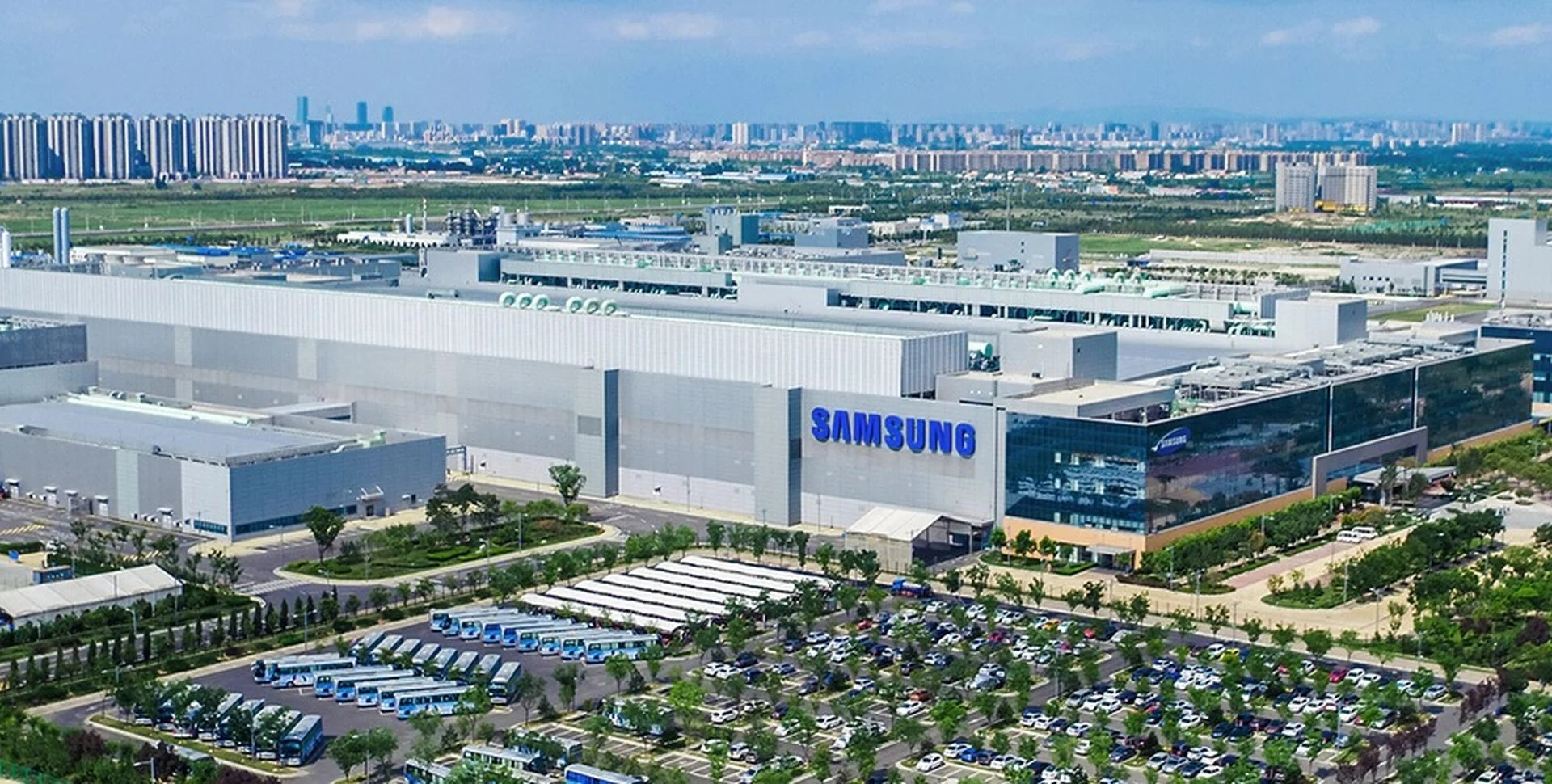
Japan is reportedly turning semiconductor investment into a national scale competitive advantage, using a mix of direct incentives and operational support that could dramatically lower the total cost of ownership for memory fabs compared with South Korea. According to a new report from Chosun Biz, Japan has approached memory giants such as Samsung and SK hynix with proposals to build new facilities in the country, and an analysis cited in the report suggests Japan based memory fab economics could come in at roughly half the total cost of ownership versus a comparable build in South Korea.
The key detail is that the offer is not framed as subsidies only. The report describes Japan’s package as a broader operating environment advantage, pairing government support with logistics and supply chain enablement. In practical fab terms, that implies faster site readiness, improved availability of key inputs, and fewer friction points across the vendor network, all of which can materially change the long run cost model for a memory plant where uptime, yield stability, and supply continuity are everything.
That pitch lands at a time when memory supply constraints are becoming a strategic bottleneck for AI infrastructure and hyperscale expansion. DRAM and high bandwidth memory demand are pulling capacity in multiple directions, and the ability to expand with stronger economics is a direct lever for market share and long term contract security. If Japan can genuinely offer a lower cost base while maintaining advanced industrial reliability, it becomes an attractive hedge for any company trying to diversify risk and scale output without taking on an even heavier financial load.
However, the same report suggests the biggest obstacle is not the balance sheet. It is politics. Even if the numbers make sense, investing in Japan is described as a sensitive move for South Korean memory companies, with government and geopolitical considerations limiting how aggressively Samsung and SK hynix can pursue a Japanese fab footprint. The report also notes that SK hynix has denied claims related to establishing a DRAM supply chain in Japan, reinforcing the idea that these discussions remain politically and strategically delicate.
Japan’s wider semiconductor push is also framed as part of a broader supply chain rebalancing in the region, with the country positioning itself alongside the United States as a key alternative production hub. That matters because semiconductor reshoring and diversification trends are no longer optional. They are being driven by export controls, national security policy, and customer demand for geographically resilient capacity.
If the report’s cost claims hold, the long run question becomes whether economics eventually overpower political hesitation. Memory makers follow margins and risk mitigation, and a sustained cost advantage of more than 50 percent is a major signal that could reshape where the next wave of memory capacity is built.
If Japan can truly deliver a 50 percent lower total cost of ownership for memory fabs, do you think Samsung and SK hynix will eventually move despite political pressure, or will they prioritize domestic investment even if it costs more?
