
Pulsar Feinmann F01 Noctua Edition Adds Active Palm Cooling Without Abandoning Lightweight Performance
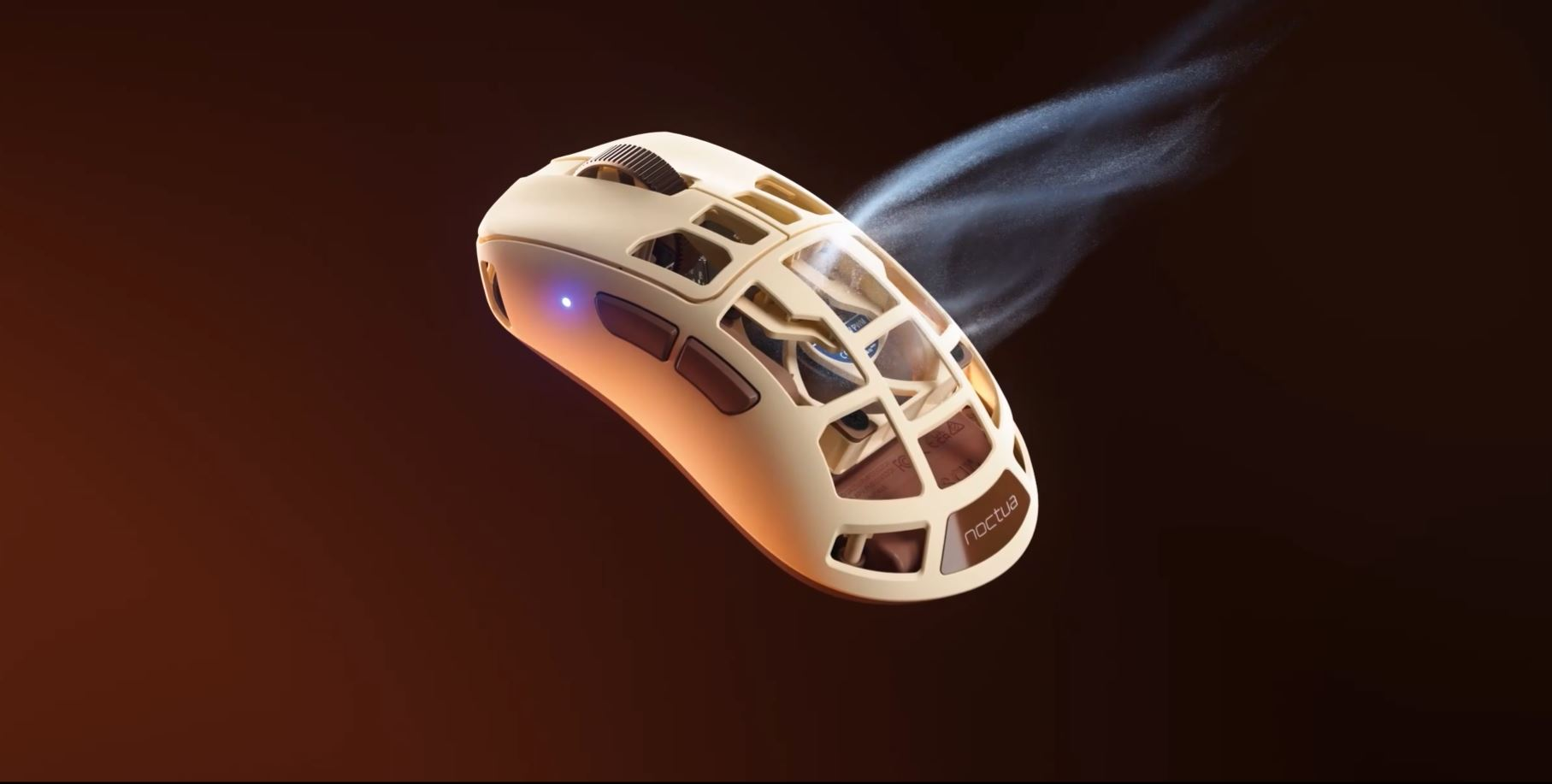
Pulsar has confirmed that the Feinmann F01 Noctua Edition gaming mouse will launch on July 21, 2026, introducing an integrated Noctua fan designed to reduce palm sweat during long and competitive gaming sessions.
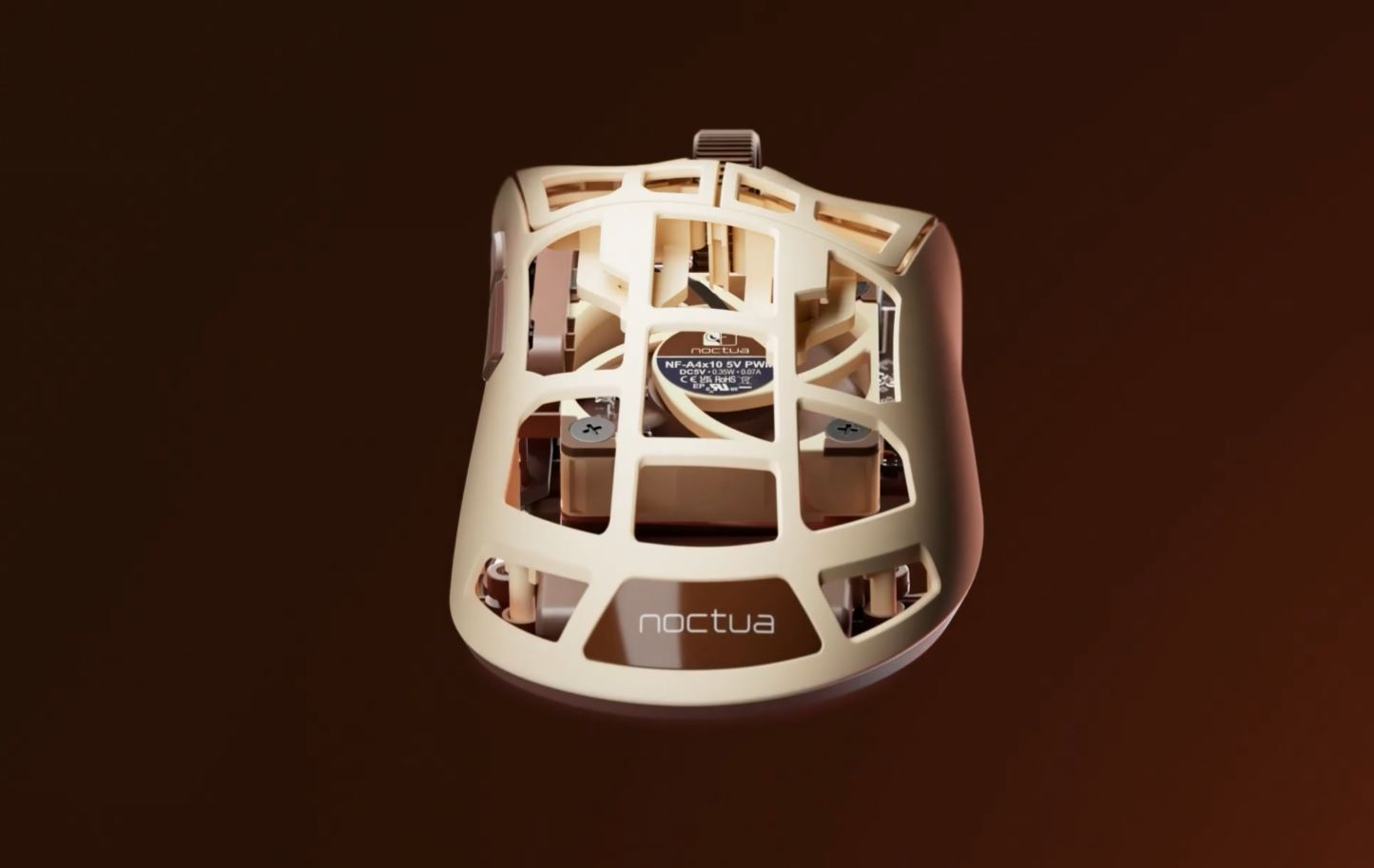
First displayed at Computex 2026, the unusual collaboration combines Pulsar’s Feinmann gaming mouse platform with a genuine Noctua NF A4x10 5V PWM fan installed inside the carbon composite shell. The internal fan pushes airflow through the large openings across the upper structure and directly toward the user’s palm.
Fan speed can be adjusted across 5 levels through physical controls or Pulsar’s web based software, allowing players to balance airflow and acoustic performance according to their preferences. Noctua says the system provides quiet palm cooling with minimal power consumption.
According to the official Pulsar announcement, the Feinmann F01 Noctua Edition weighs approximately 73 g despite housing a complete 40 mm cooling fan. That makes it considerably heavier than the original 46 g Feinmann F01, but it remains relatively lightweight for a wireless ergonomic gaming mouse with active cooling hardware.
Keep calm and stay cool.
— Pulsar Gaming Gears (@PulsarGears) July 15, 2026
Cool hands win.
Feinmann F01 Noctua Edition
A genuine Noctua NF-A4x10 5V PWM fan, built into the carbon composite shell with 5-speed control. Real airflow, engineered by the best in cooling.
Zero compromise on performance: the new MCU and XS-2 Sensor… pic.twitter.com/3sxveCWtM4
The new model also upgrades the original XS 1 sensor to Pulsar’s XS 2 sensor, increasing maximum sensitivity from 32,000 DPI to 42,000 DPI. It supports an 8 kHz polling rate and uses Pulsar optical switches, while USB C connectivity supports both charging and wired operation.
The standard Feinmann F01 uses a magnesium alloy exoskeleton and was designed primarily for right handed palm grip users. The Noctua Edition replaces that structure with a 73 g carbon composite shell capable of supporting the fan, airflow channels, and additional electronic controls. The original model measures 118.6 mm long, 65.3 mm wide, and 41.7 mm tall, although Pulsar has not yet published complete dimensions for the Noctua version.
Pulsar will release the Feinmann F01 Noctua Edition on July 21 at 4 PM Korean Standard Time. The company has not disclosed its official price, regional availability, battery life, or whether the cooling fan meaningfully affects wireless operating time.
An actively cooled gaming mouse initially sounds like a product created primarily for attention, but the concept addresses a genuine problem for players living in humid environments or competing through extended sessions.
The 73 g weight is impressive considering that Pulsar has installed a complete 40 mm fan, airflow system, and fan controller inside the shell. However, the product’s success will depend on more than its headline feature. Fan noise, vibration, battery consumption, dust accumulation, and the sensation of constant airflow against the palm will determine whether the design becomes genuinely useful or remains a specialist novelty.
The most important missing detail is pricing. The original Feinmann F01 was already positioned as a premium gaming mouse, and the added Noctua hardware could push this edition into an extremely competitive enthusiast segment.
Would active palm cooling improve your gaming experience, or does installing a fan inside a mouse take peripheral design too far?
