
PlayStation 6 Could Cost Over $1,000 as RAM and SSD Expenses Reportedly Exceed $680
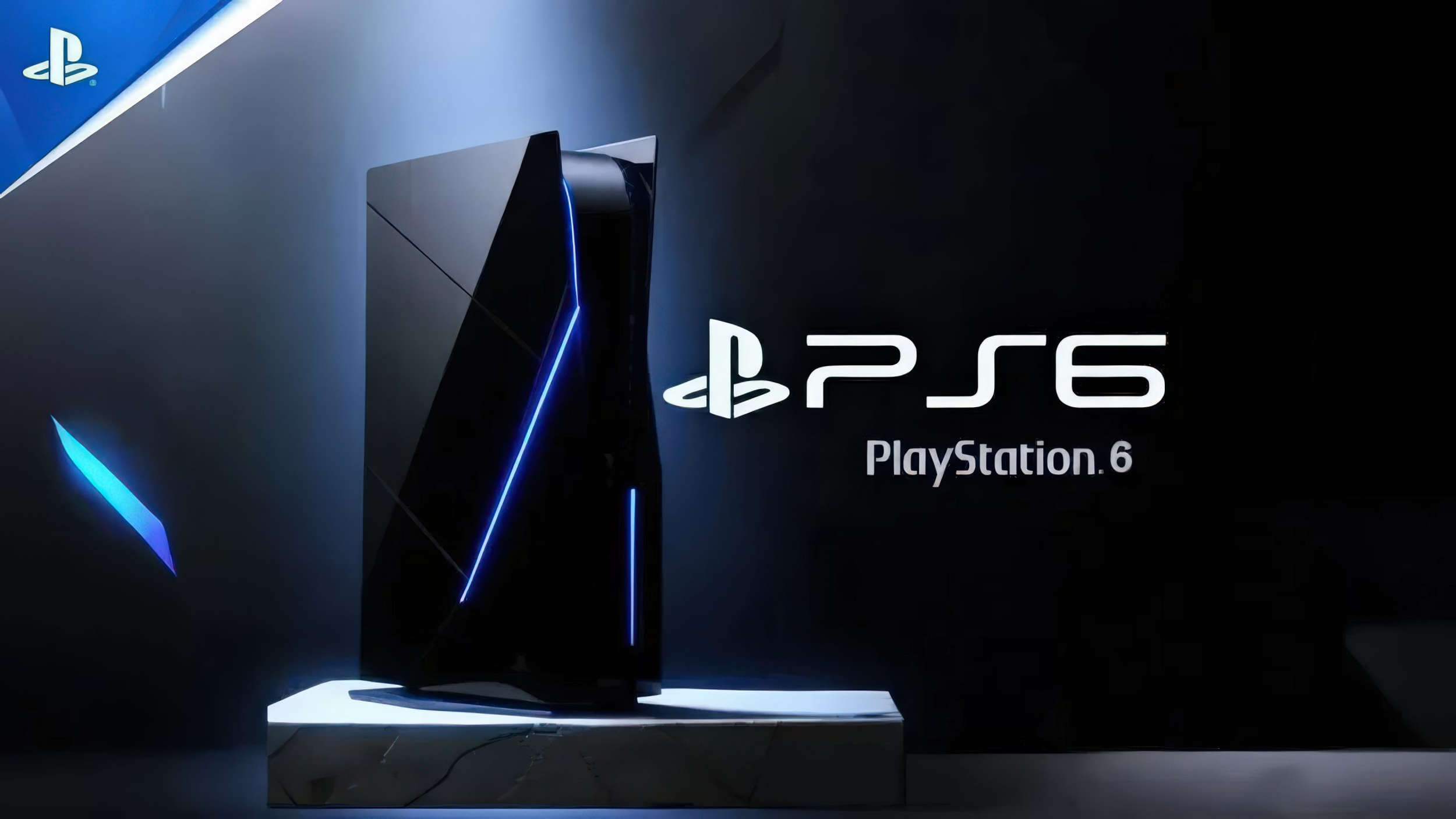
Sony's upcoming PlayStation 6 could face a retail price exceeding $1,000, as rising memory and storage costs threaten to make the next generation console considerably more expensive than its predecessors. According to hardware insider KeplerL2, the combined cost of the console's RAM and NAND flash storage has reportedly surpassed $680, before accounting for its processor, cooling system, motherboard, and other components.
The claim originated from a NeoGAF discussion, where KeplerL2 responded to speculation about Sony potentially subsidizing the console to achieve a $680 launch price.
"RAM + NAND alone is over $680"
— Quote by: KeplerL2
The insider also suggested that when Sony and Microsoft began designing their next generation processors, GDDR7 memory was expected to reach approximately $3 per GB. However, rising demand from AI infrastructure, graphics cards, and enterprise computing has dramatically changed memory market conditions. KeplerL2's figures are unofficial estimates and have not been confirmed through Sony's procurement records.
PlayStation 6 Reported Costs and Specifications
| Component | Current Information |
|---|---|
| RAM and NAND Storage | Over $680, according to KeplerL2 |
| Total Manufacturing Cost | Previously estimated near $1,000 |
| Potential Retail Price | Above $1,000, speculative |
| System Memory | 24 GB, 32 GB or 40 GB rumored |
| SSD Capacity | 1 TB or 2 TB discussed |
| Expected Launch | 2027 or 2028, unconfirmed |
None of these estimates or configurations has been officially confirmed by Sony. Manufacturing cost and retail pricing are separate figures.
The reported component expenses raise questions about Sony's ability to maintain traditional console pricing. Even if the complete bill of materials exceeds $1,000, the final retail price will depend on component contracts, manufacturing costs, margins, and whether Sony chooses to subsidize hardware sales. Previous rumors have suggested configurations ranging from 24 GB to 40 GB of memory, but the final specifications remain unknown.
Sony has already acknowledged the financial pressure. In its official corporate strategy and earnings Q&A, the company confirmed that rising memory costs are increasing manufacturing expenses and could affect console adoption. Sony expects memory prices to remain elevated and supply conditions to stay constrained through 2027, while emphasizing that no final decisions have been made regarding the pricing or launch timing of its next generation platform.
These concerns follow Sony's earlier confirmation that PlayStation 6 pricing and launch timing remain undecided. Although a late 2027 release continues to circulate in industry rumors, delaying the console or adjusting its memory configuration could provide Sony with additional flexibility if component prices remain unusually high.
A PlayStation exceeding $1,000 would represent a significant change in console economics, particularly when affordability has traditionally been one of the platform's strongest advantages over gaming PCs.
The biggest challenge is balancing memory capacity against manufacturing costs. Modern games increasingly require larger memory pools for detailed environments, advanced rendering, and AI driven graphics features, making aggressive hardware reductions difficult without compromising the console's long term capabilities.
However, the reported $680 memory and storage cost should not be interpreted as a confirmed Sony expense or proof of a $1,000 retail price. Component costs can change substantially before launch, especially through large volume purchasing agreements.
Sony's final decision will depend on whether it prioritizes performance, affordability, or a longer transition from PlayStation 5. A premium launch price could also encourage gamers to retain their existing consoles for longer.
Would you pay $1,000 or more for a PlayStation 6 with significantly improved graphics and performance, or would that price convince you to switch to PC gaming?
