
Phantom Blade Zero PC Requirements Revealed, RTX 5080 Needed for 4K Path Tracing at 60 FPS
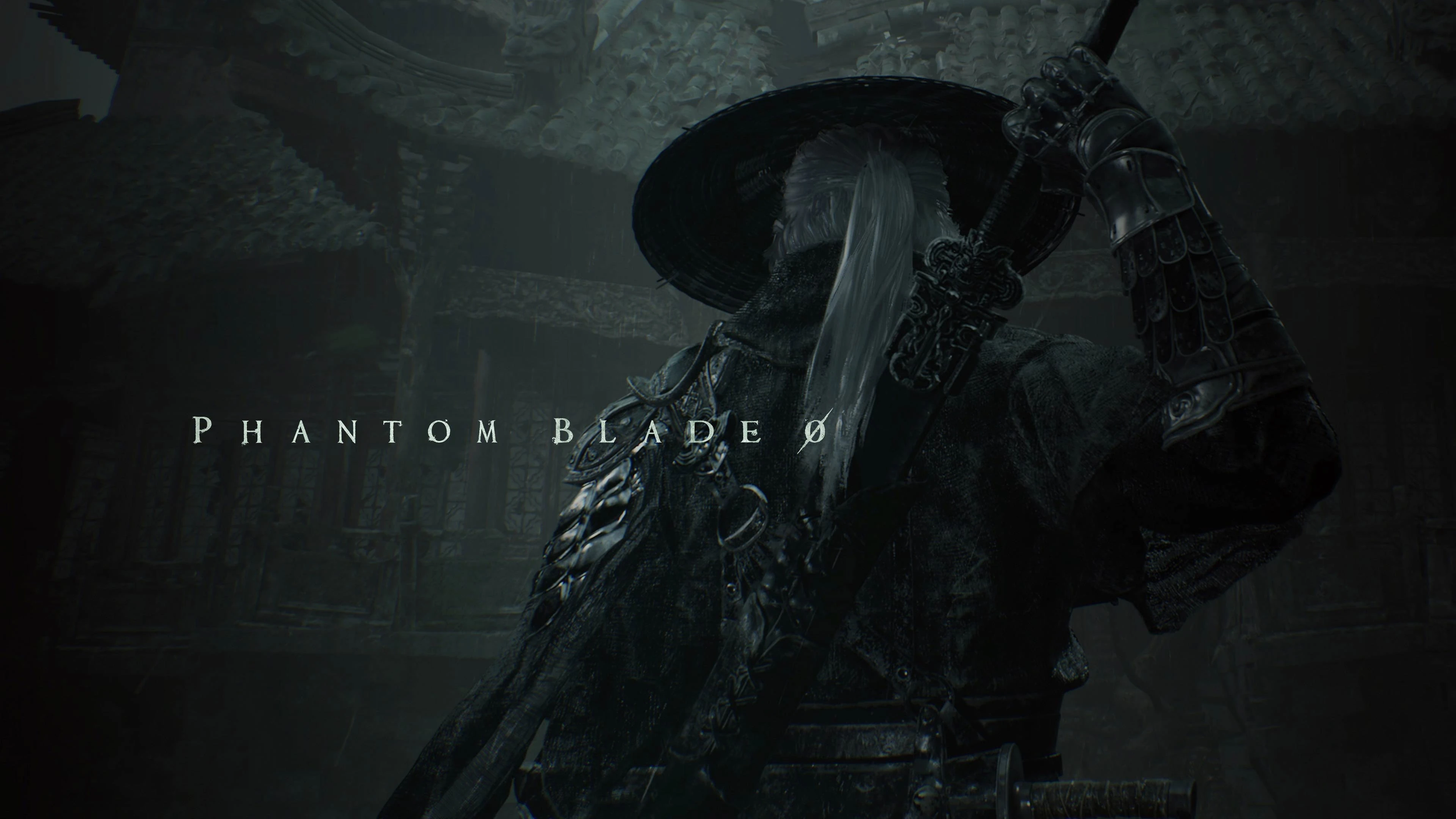
S-GAME has officially revealed the PC system requirements for Phantom Blade Zero, and while the standard specifications remain relatively accessible for a modern Unreal Engine 5 action RPG, enabling the game's highest end path tracing mode pushes GPU requirements all the way to NVIDIA's GeForce RTX 5080. According to the official Phantom Blade Zero PC requirements, players targeting 4K at 60 FPS with path tracing enabled will need an RTX 5080 with 16 GB of VRAM, and even this performance target assumes that upscaling is active.
| Requirement | Minimum | Recommended |
|---|---|---|
| Processor | Intel Core i7-8700K or AMD Ryzen 5 3600 | Intel Core i5-10600K or AMD Ryzen 5 5600X |
| Memory | 16 GB RAM | 16 GB RAM |
| Graphics | NVIDIA GeForce GTX 1660 6 GB or AMD Radeon RX 5500 XT 8 GB | NVIDIA GeForce RTX 3060 Ti 8 GB or AMD Radeon RX 6700 XT 12 GB |
| DirectX | Version 12 | Version 12 |
| Storage | SSD required | SSD required |
| Resolution | 1080p / 30 FPS with upscaling enabled | 1440p / 60 FPS with upscaling enabled |
| Requirement | Ray Tracing Recommended | Path Tracing Recommended |
|---|---|---|
| Graphics Card | NVIDIA GeForce RTX 5060 8 GB | NVIDIA GeForce RTX 5080 16 GB |
| Resolution | 1080p / 60 FPS with upscaling enabled | 2160p / 60 FPS with upscaling enabled |
All listed performance targets use upscaling. S-GAME does not provide separate CPU or memory requirements for the ray tracing and path tracing configurations, nor does it currently list equivalent AMD GPUs for those 2 modes.
Ray tracing represents a substantial step upward in GPU requirements. S-GAME recommends an RTX 5060 8 GB for 1080p at 60 FPS with ray tracing enabled, again using upscaling. The highest graphics configuration then jumps to an RTX 5080 16 GB for 2160p at 60 FPS with path tracing. The requirement illustrates how computationally expensive full path traced lighting remains even on current high end graphics hardware, particularly when combined with the dense environments, lighting, particles, and fast combat presentation of Phantom Blade Zero.
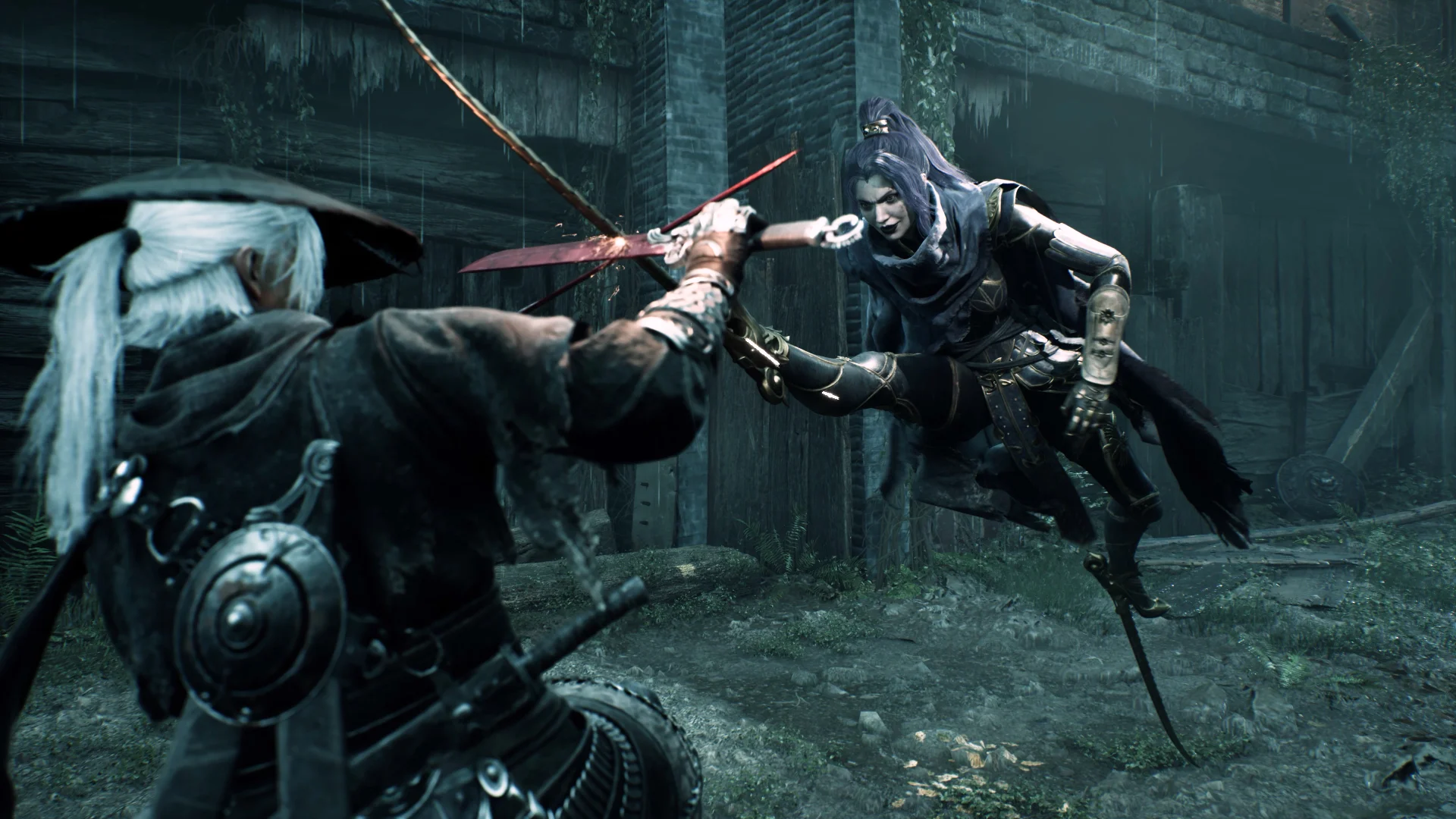
NVIDIA has separately confirmed that the PC version will support DLSS 4.5 Super Resolution and Multi Frame Generation, alongside PC exclusive ray traced reflections, ray traced shadows, and ray traced caustics. These technologies will be particularly important for the higher visual presets, as S-GAME's own performance targets are already measured with reconstruction enabled rather than at native resolution. NVIDIA has not stated that Multi Frame Generation is necessarily required to reach the figures listed by S-GAME, so the official requirement should currently be interpreted simply as 4K at 60 FPS with upscaling enabled.
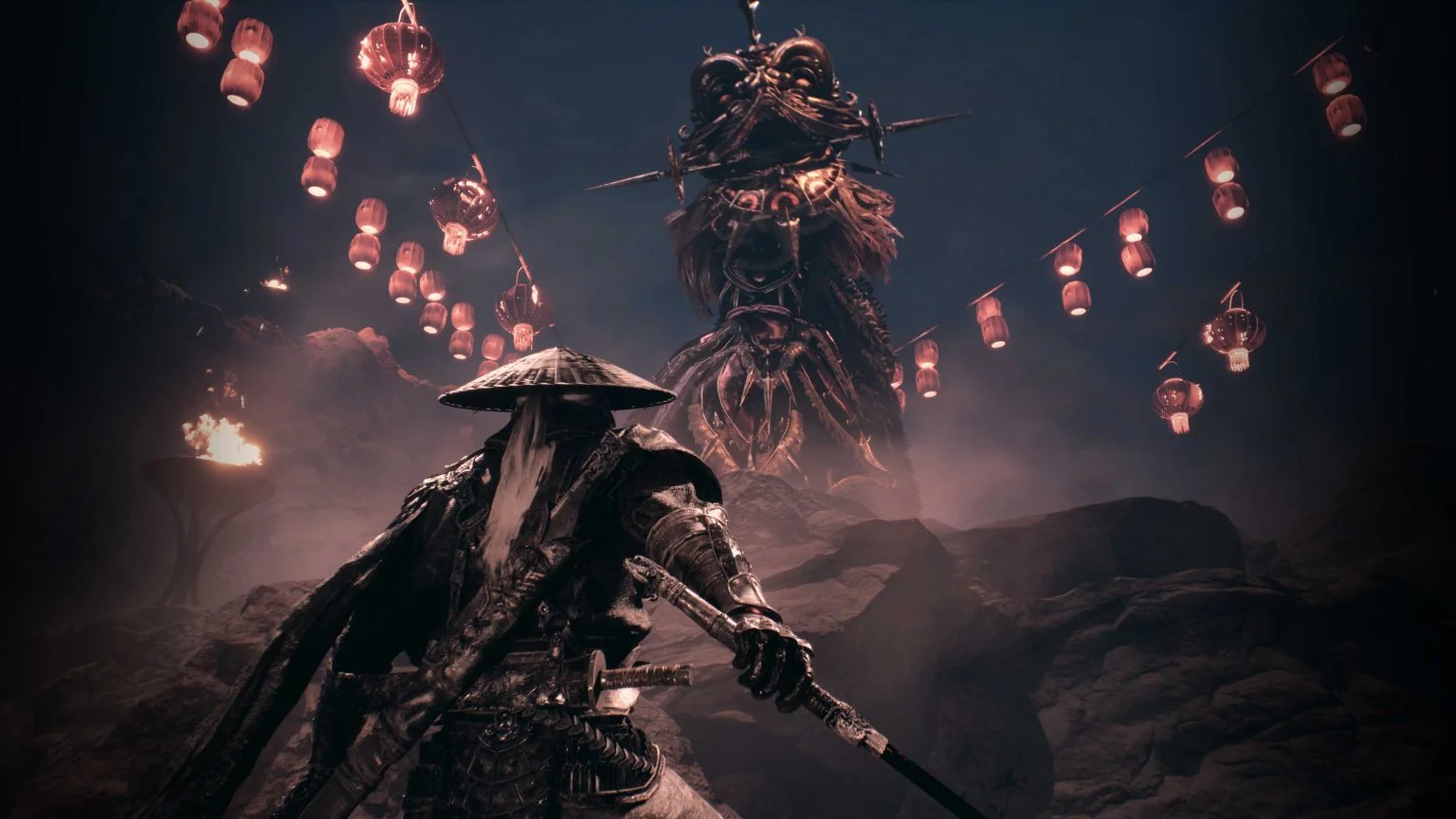
The standard requirements are considerably less aggressive by comparison. An RTX 3060 Ti or RX 6700 XT targeting 1440p at 60 FPS places the game within reach of many existing gaming PCs, while even the minimum GTX 1660 configuration provides an option for considerably older hardware. The mandatory SSD requirement is increasingly common among modern Unreal Engine 5 releases, particularly games relying on rapid asset streaming and detailed environments.
Phantom Blade Zero is powered by Unreal Engine 5 and combines Wuxia inspired martial arts with what S-GAME describes as its Kungfupunk visual identity. Players will have access to more than 30 primary weapons and over 20 Phantom Edges, with combat built around rapid combos, dodges, counters, deflections, and techniques based on real martial arts choreography.
The new specifications arrive shortly after Phantom Blade Zero completed development ahead of launch. S-GAME confirmed that the project had reached completion as preparations moved toward its October 29, 2026 release on PC and PlayStation 5. The studio had previously emphasized that it wanted the game to maintain strong visual quality even without ray tracing, which makes the comparatively moderate standard PC requirements particularly important for players without the latest RTX hardware.
Pre orders are now available, with the standard PC edition listed at 59.99$ and the Digital Deluxe Edition at 69.99$ on Steam. The PC version also uses Denuvo DRM according to its current Steam listing. Due to regional unlock timing, Steam currently displays October 28 in some territories, while S-GAME and PlayStation list the official release date as October 29, 2026.
The RTX 5080 requirement looks intimidating at first, but the more important story is that Phantom Blade Zero appears relatively scalable when path tracing is removed from the equation. An RTX 3060 Ti or RX 6700 XT targeting 1440p at 60 FPS is reasonable for a visually ambitious Unreal Engine 5 release in 2026, while support extending down to a GTX 1660 gives older gaming PCs a route into the game.
Path tracing is effectively positioned as the enthusiast showcase. Requiring an RTX 5080 for 4K at 60 FPS even with upscaling demonstrates just how expensive fully traced lighting remains, and it also reinforces why technologies such as DLSS 4.5 are becoming increasingly integrated into the rendering pipeline rather than functioning purely as optional performance bonuses. For most players, the conventional rasterized or lighter ray traced modes will likely provide a much better balance between image quality and performance.
Would you use the full path tracing mode in Phantom Blade Zero if it requires an RTX 5080 and upscaling, or would you prioritize higher native image quality and frame rates without it?
