
Persona 4 Revival Stays Faithful While Modernizing Combat, Dungeons and Social Links

Persona 4 Revival is shaping up to be a remarkably faithful remake of Atlus' classic RPG, with its recent Gamescom 2026 playable build suggesting the studio is more interested in enhancing the original experience than fundamentally redesigning it. The story, characters, Social Links, dungeon structure, and familiar journey through Inaba remain recognizable, while updated combat mechanics, improved navigation, expanded voice acting, new music, and a considerably more ambitious visual presentation bring the experience closer to modern Persona standards.
That approach is intentional. Persona series general producer Kazuhisa Wada has confirmed that Atlus is following a philosophy similar to Persona 3 Reload, preserving the original story and character identities while rebuilding the surrounding presentation and gameplay experience. SEGA describes Persona 4 Revival as a full remake that retains the acclaimed storyline while extensively updating its graphics and overall play experience. The game launches worldwide on February 18, 2027 for PlayStation 5, Xbox Series X and S, Windows, Steam, and Xbox Game Pass.

The Gamescom demonstration reinforced just how closely the remake follows the original structure. Early scenes involving Yu Narukami and Yosuke entering the TV World unfold much as longtime players will remember, although the script has received revisions and the dialogue has been recorded with a new voice cast. The environments, character models, animations, lighting, and presentation have been rebuilt extensively, but Atlus appears determined to preserve the distinctive atmosphere that separated Persona 4 from later entries rather than simply transforming Inaba into another version of Persona 5.

Dungeon exploration follows the same philosophy. Persona 4 Revival retains procedurally generated dungeon layouts rather than switching entirely to the handcrafted Palace structure introduced by Persona 5. Atlus has instead focused on reducing friction within those environments. Enemy encounters are easier to initiate advantageously, objects can restore SP, and navigation assistance helps guide players toward objectives. The environments themselves also evolve more noticeably as players progress deeper into each dungeon, reinforcing the psychological state of the Shadow associated with that location.
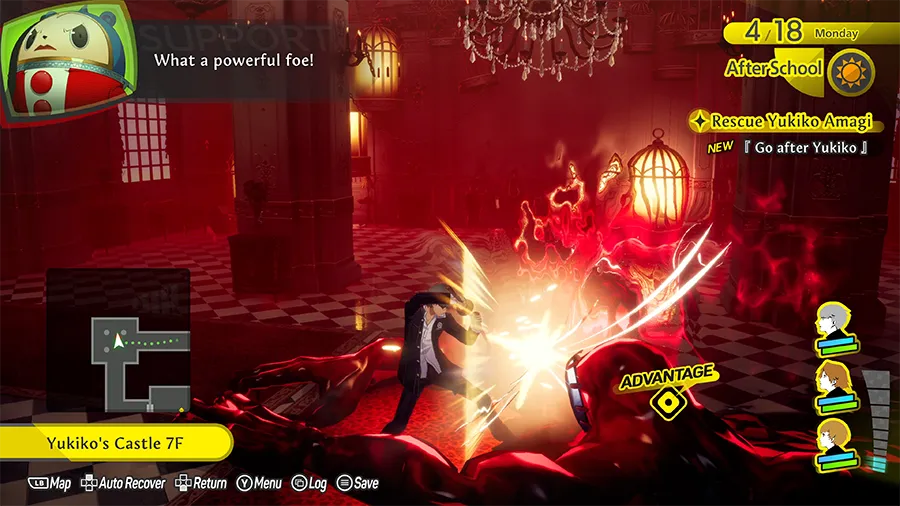
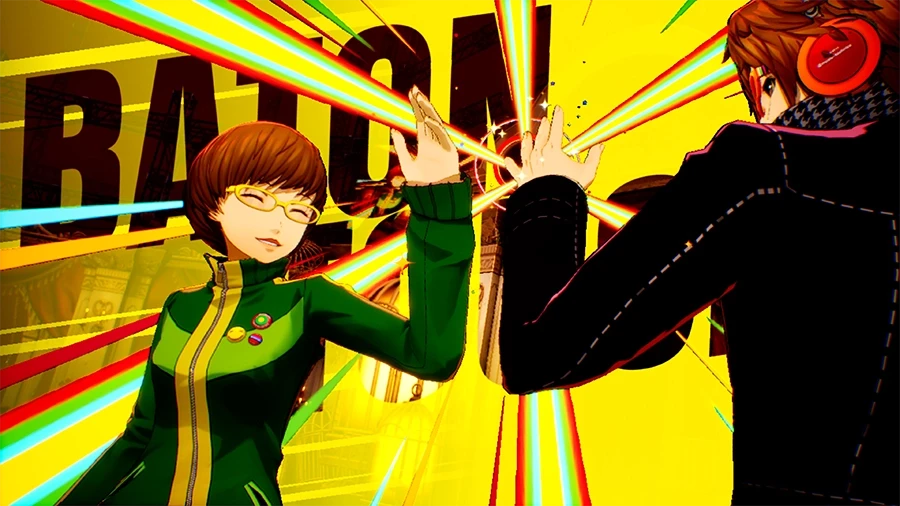
Combat receives some of the largest mechanical changes. The familiar 1 More system returns, but Persona 4 Revival now incorporates Baton Pass, allowing an additional action earned through exploiting an enemy weakness to be transferred to another party member. Atlus has also introduced Prime Time, a new combat state activated by filling a dedicated gauge. During Prime Time, players can perform consecutive actions, use skills without consuming resources, ignore enemy resistances, and freely execute Baton Passes before finishing with a powerful Series Finale attack. Atlus says the entire combat balance has been reconsidered around these additions rather than simply layering stronger abilities onto the original difficulty structure.

Music is receiving similar treatment. Familiar tracks have been rearranged alongside entirely new compositions, while battles can dynamically change musical arrangements depending on whether the player or enemy enters combat with an advantage. Ryota Kozuka is composing the remake's soundtrack with Shiori Sasaki serving as its lead vocalist, creating a noticeably different interpretation of Persona 4's musical identity while retaining recognizable material from the original.
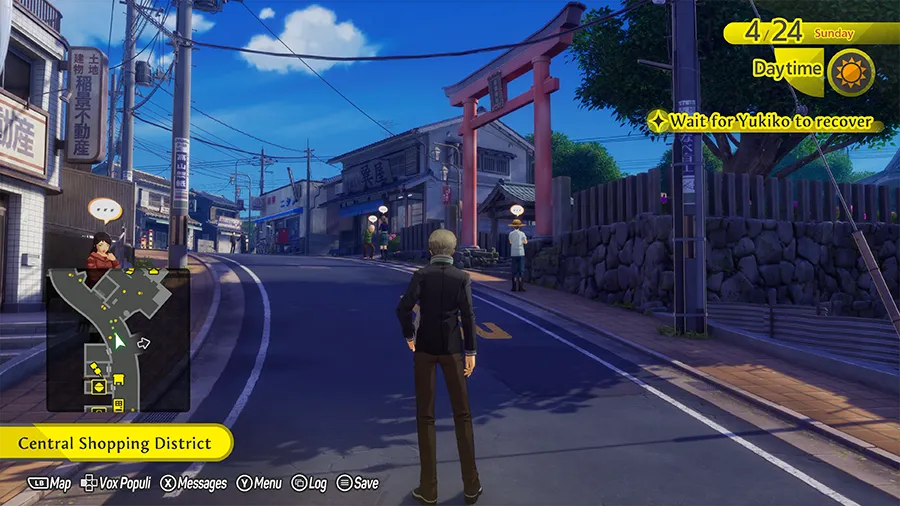
Social Links remain fundamentally intact, but Atlus is expanding their presentation. Social Link characters are now fully voiced, while additional opportunities outside their traditional story sequences will allow players to interact with and learn more about them. Wada also says it should be slightly easier to maximize all Social Links during a single playthrough compared with Persona 4 Golden, although doing so will still require careful time management. New seasonal scenes and additional character interactions are also being introduced without rewriting the central story.
The strategy closely follows the successful foundation established by Persona 3 Reload, but Persona 4 Revival enters a much busier period for Atlus. As covered following the Xbox Games Showcase 2026, Revival now has a confirmed February 18, 2027 release date while Persona 6 is also officially in development. Atlus has made clear that Persona 4 Revival remains its immediate priority before Persona 6, giving the remake considerable importance within the publisher's current roadmap.
Persona 4 Revival appears to understand that modernization does not require replacing everything that made the original memorable. Procedural dungeons, Social Links, the original story structure, and Inaba's identity remain intact, while Atlus is concentrating its changes where the original has aged most noticeably.
Prime Time, Baton Pass, improved dungeon navigation, expanded voice acting, and additional character interactions could make the remake considerably smoother without sacrificing its personality. The biggest challenge will be balance. Persona 4 already rewarded players heavily for exploiting weaknesses, and Prime Time introduces some extremely powerful options. If Atlus can preserve meaningful difficulty while giving players more tactical freedom, Revival could become the definitive version of one of Persona's most celebrated stories.
Do you prefer Persona 4 Revival staying this faithful to the original, or would you have wanted Atlus to make much larger changes to the story, dungeons, and overall structure?
