
PC Manufacturers Rush to Secure Supply as DRAM Contract Prices Signal Higher PC Pricing in Q1 2026
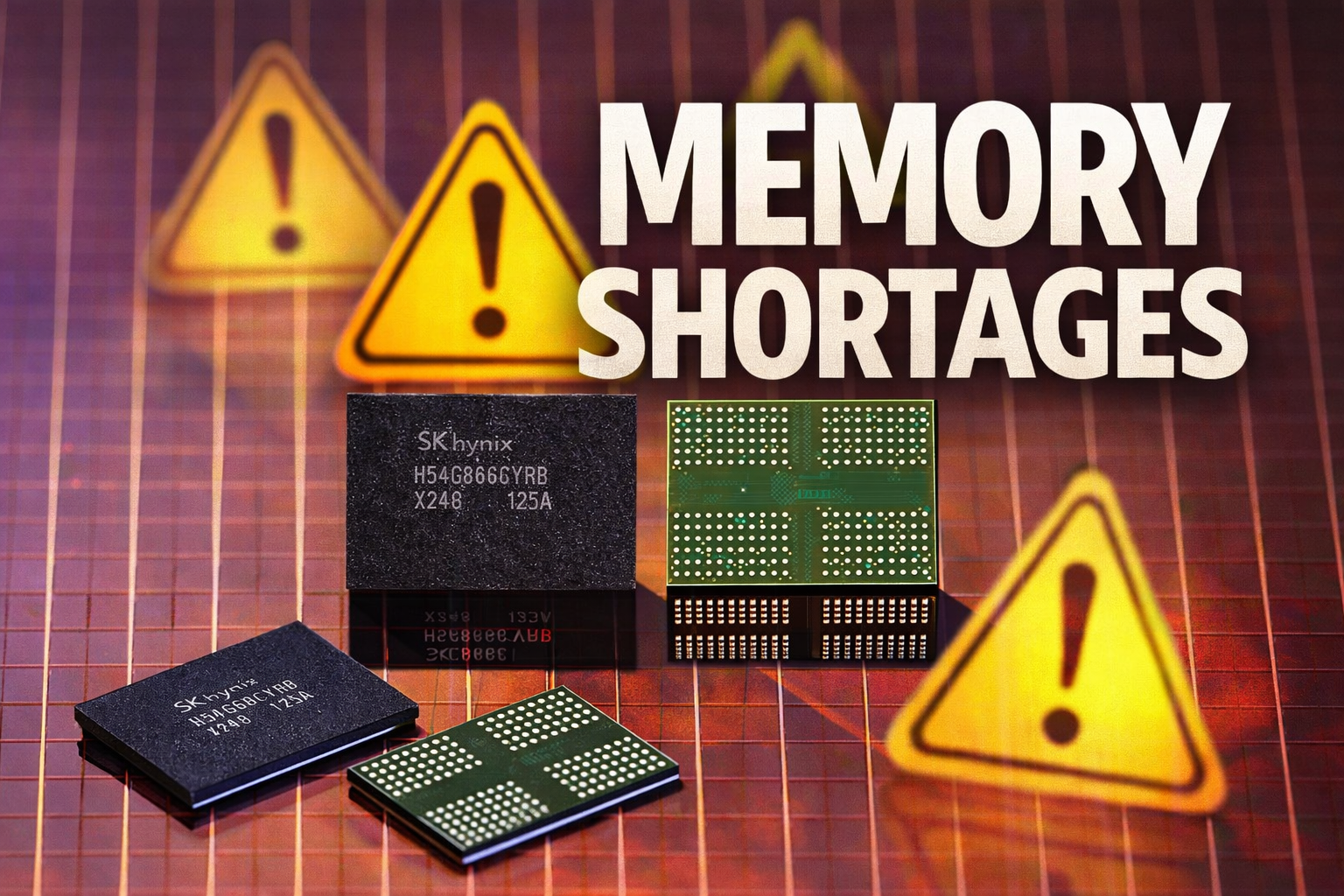
The PC industry is entering 2026 with memory supply risk moving from a back end procurement problem into a front line pricing driver. As AI infrastructure demand continues to absorb high value DRAM capacity, PC brands are shifting toward defensive sourcing to protect launch schedules, channel availability, and margin structure across mainstream and gaming systems.
A commentary referenced by DRAMeXchange and shared by jukan05 on X points to DRAM contract prices in Q1 2026 potentially rising by up to 50%. That scale of increase is significant enough to reshape OEM cost models in a single quarter, especially as manufacturers ramp new product cycles following CES announcements. The knock on effect is predictable: higher bill of materials pressure, tighter allocation planning, and reduced flexibility to sustain aggressive promotions in retail.
With contract prices evolving upward and allocation becoming more competitive, PC manufacturers are reportedly moving quickly to secure long term agreements for broader 2026 coverage. In a seller led environment, these agreements function as supply insurance, trading higher unit costs for predictability, production continuity, and reduced exposure to spot pricing volatility. The risk of waiting is operational. missed build windows, delayed refreshes, and inconsistent inventory levels can erode consumer momentum faster than a controlled price adjustment can.
On the supplier side, profitability remains the priority, particularly when data center demand offers stronger returns and long duration commitments. That reality puts added pressure on PC OEMs that rely on stable module flows to feed high volume configurations. The outcome is that larger mainstream OEMs with stronger purchasing leverage are more likely to secure favorable allocation, while smaller buyers face higher costs and higher risk of gaps. As this plays out, consumers should expect upward movement across DDR5 and DDR4 street pricing and more visible price lifts on laptops and desktops, especially in performance tiers where memory capacity is a key selling point.
For gamers and creators, the immediate watch item is not just memory kit pricing, but system level value. When DRAM costs spike, brands often respond by raising prices, reducing memory capacity at the same price, or limiting discount depth. Any of those outcomes reduces value per dollar and can make 2026 upgrades feel more expensive even when CPU and GPU pricing stays relatively stable.
Are you planning to upgrade early in 2026 to stay ahead of DRAM pricing pressure, or will you wait for OEMs to adjust configs and target value builds later in the year?
