
People Need to Take a Step Back on AI in Game Development, Says ARC Raiders Boss Patrick Söderlund
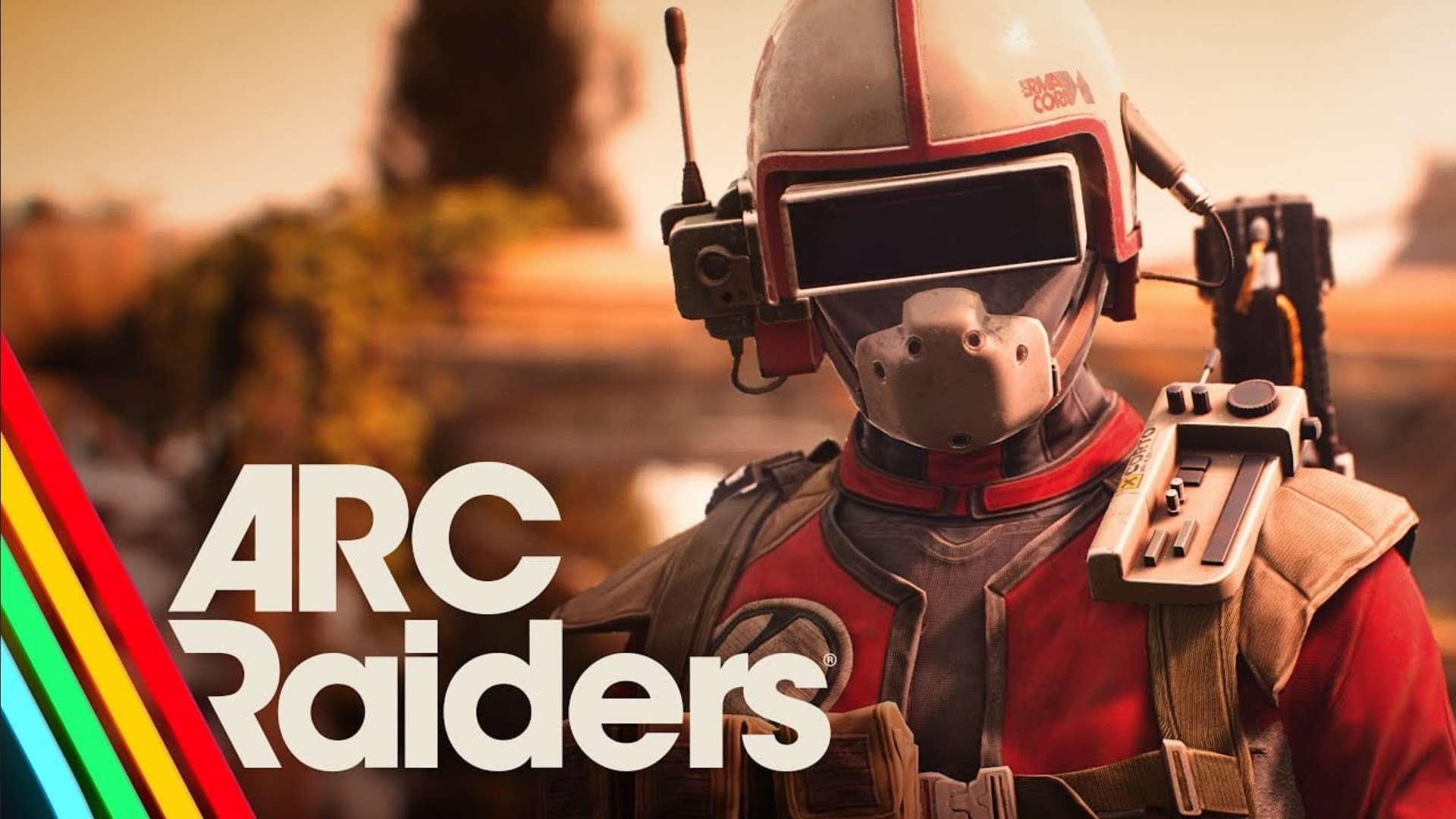
ARC Raiders has surged into 2026 as one of the most visible premium live service launches on PC, and the conversation around the game is now expanding beyond player counts and content cadence into something bigger: how AI tooling fits into modern development pipelines. A post highlighted by SteamDB points to ARC Raiders leading Steam’s best selling premium products during the December 23 to 30 holiday week, outpacing hardware and marquee releases in that same period. Community tracking shared alongside that discussion also signals extremely strong engagement momentum on Steam, with ARC Raiders reportedly reaching a 428,000 concurrent user peak in the past 24 hours, compared with a reported 128,000 daily peak for Battlefield 6.
From a market positioning standpoint, that kind of traction is not just a launch win. It is a live operations statement. ARC Raiders is behaving like a title that players are returning to, not simply sampling, which is exactly the metric that matters most when a studio is running a weekly update rhythm and trying to sustain content velocity without burning the team out.
ARC Raiders has faced criticism over AI based text to speech usage, with discourse reignited by review coverage that framed the choice as a creative and ethical downside. The pushback was not only about the presence of AI, but about what it signals to players about authenticity, labor, and creative intent. This is a touchy topic for any studio building a service game, because content iteration is constant, and audio, localization, and narrative updates are among the most expensive and time sensitive components of post launch support.
Now, Embark founder and former DICE executive Patrick Söderlund has addressed the subject again in an interview, urging audiences to reassess what AI is doing in development and why. In a conversation published by GamesBeat, Söderlund frames the studio’s approach as augmentation, not replacement, emphasizing that Embark continues to work with voice actors while using AI to accelerate certain update workflows so the team can ship changes faster and reduce repetitive production steps.

A key point he returns to is that AI, when applied with guardrails, can remove tedious work and redirect developer time toward higher value creative output. His argument is effectively a production strategy thesis: the studio is investing in tools and pipelines so a comparatively smaller team can operate with the responsiveness players now expect from a top tier live service game. In that same discussion, Söderlund also connects this philosophy to Embark’s update cadence on The Finals, describing consistent weekly improvements as something that requires both strong talent and strong tooling.
What is verifiable in the provided sources is the framing and direction of the discussion. The SteamDB post establishes the commercial visibility of ARC Raiders during the holiday week. The GamesBeat interview establishes Embark leadership’s rationale for AI usage, with a clear emphasis on workflow acceleration and continued collaboration with human talent.
What is still a player facing question is not whether AI can help developers, because it can, but whether its use is transparent, consent driven, and aligned with quality. Players generally do not mind tooling if the result is better updates and better polish. They do mind when they feel creators are being sidelined or when quality becomes inconsistent. That makes this less about a single feature and more about trust management, the same core currency every live service game depends on.
Embark is believed to employ roughly 350 developers, which is large enough to be considered a triple A studio, but still smaller than the biggest shooters in the market. That size difference matters. It amplifies the value of smart automation and pipeline efficiency, but it also raises the visibility of any production shortcut that players interpret as cutting corners. Söderlund’s messaging is clearly trying to land on the right side of that line: keep people at the center, use AI to accelerate iteration, and deliver faster improvements that players actually feel.
If ARC Raiders keeps its momentum, this debate will not cool down. It will scale with the game.
Where do you draw the line for AI in games: acceptable for faster updates and localization, or only acceptable if every AI assisted asset is clearly labeled in game credits and patch notes?
