
Pat Gelsinger Says Wall Street’s Short Term Focus Hurt Intel’s Manufacturing Push and America’s Chip Ambitions
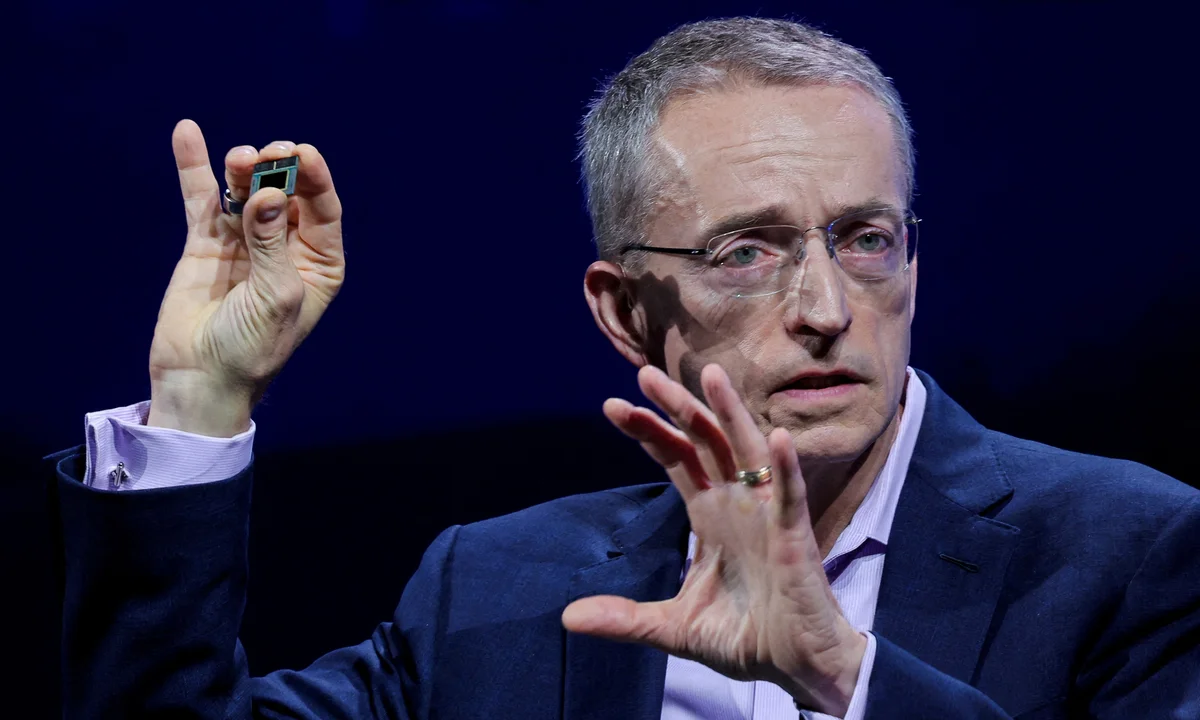
Intel former CEO Pat Gelsinger has offered one of his clearest post Intel critiques yet, arguing that Wall Street’s demand for near term returns works directly against the kind of long horizon investment needed to rebuild advanced semiconductor manufacturing in the United States. In remarks shared through a recent conversation with Jodi Shelton, Gelsinger framed the problem as a structural one, saying capital heavy industrial projects can take years to generate returns, while public market pressure often punishes executives long before those bets can mature.
The core of Gelsinger’s argument is easy to understand. Building leading edge fabs is not a quick turnaround business. It requires years of spending, sustained execution, and a tolerance for delayed payback that public markets often do not reward. That aligns closely with Intel’s own public strategy under IDM 2.0, which the company described as a multiyear effort to regain process leadership, expand manufacturing capacity, and build a world class foundry business in the United States and Europe.
That is why Gelsinger’s comments resonate beyond Intel alone. He is not simply revisiting an old boardroom argument. He is highlighting a broader tension in the American semiconductor sector, where policymakers want domestic production resilience, but investors still expect quarterly discipline and fast visible returns. Intel itself has repeatedly described its foundry pivot as one of the biggest business transformations in its history, and in 2024 the company laid out a new financial reporting structure meant to make the foundry model more transparent while still pursuing long term profitability and margin expansion.
Gelsinger’s remarks also land differently because of where Intel is today. The company confirmed his retirement in December 2024, and later appointed Lip Bu Tan as chief executive officer in March 2025. Intel has publicly said Tan’s job is to accelerate the turnaround, rebuild product leadership, advance the foundry strategy, and regain investor confidence. That makes Gelsinger’s comments less of a personal postmortem and more of a live debate about how much patience the market will give Intel’s manufacturing roadmap under new leadership.
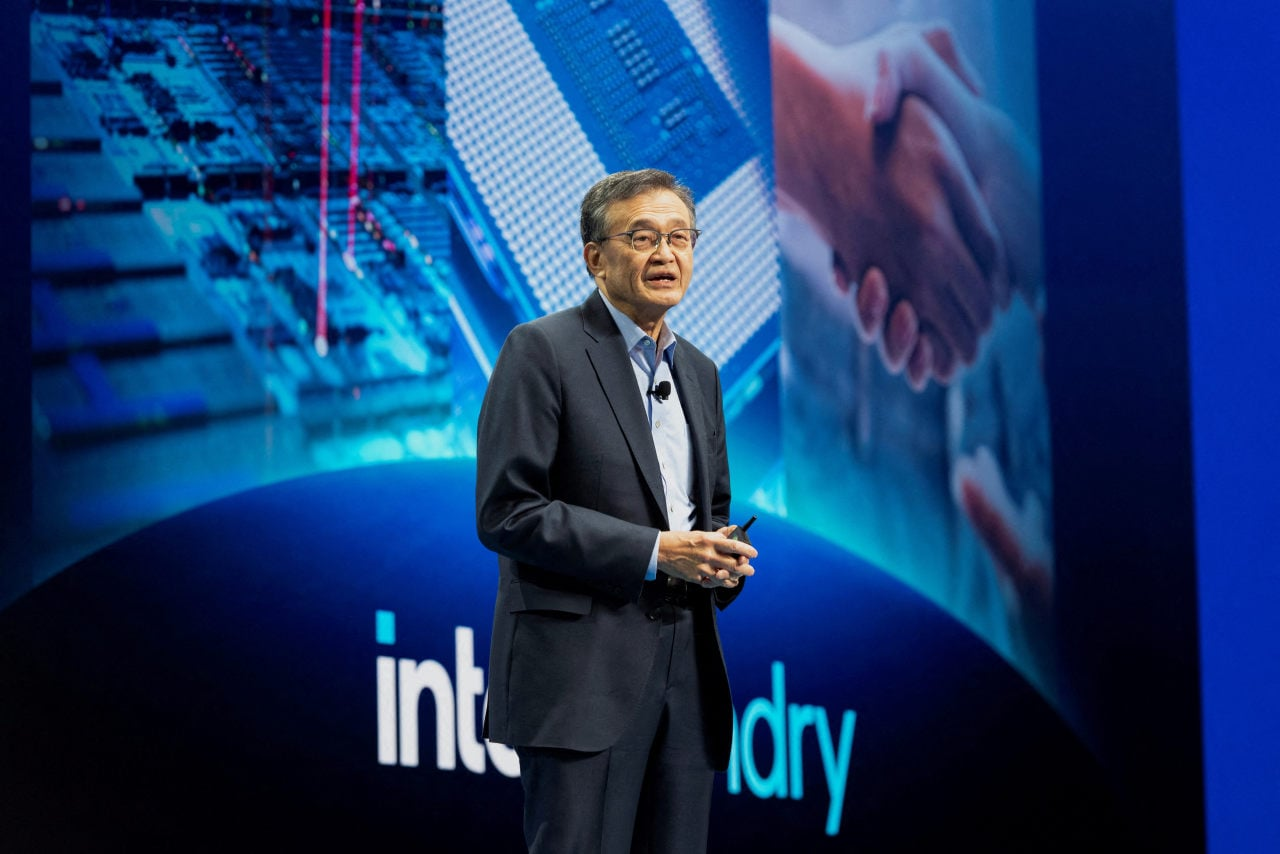
On the technology side, Intel continues to publicly signal momentum on the roadmap that Gelsinger championed. At Foundry Direct Connect 2025, Intel said 18A had entered risk production and was expected to reach volume manufacturing in 2025, while also introducing follow on variants such as 18A P and 18A PT. Intel further said Fab 52 in Arizona had processed its first lot, underscoring the company’s push to tie process development and leading edge wafer output more closely to US based manufacturing.
That does not mean the debate is settled in Gelsinger’s favor. Wall Street’s counterargument is that long term strategy only works if execution is sharp, customer demand materializes, and capital allocation stays disciplined. Intel itself has acknowledged that the new foundry model is meant to improve transparency, cost discipline, and returns, not just expand capacity for its own sake. In other words, the industry may accept the need for long term industrial policy, but it still expects proof that those investments will translate into real customers, real output, and better economics.
What makes this story especially important for the wider tech industry is that it cuts to the heart of the current AI and semiconductor race. The United States wants more advanced chips built domestically, and companies like Intel are central to that goal. But Gelsinger’s warning is that the system still rewards financial performance on a much shorter clock than manufacturing leadership can realistically deliver. That tension may end up defining not just Intel’s next chapter, but the limits of America’s broader chip strategy as well.
From a market perspective, Lip Bu Tan now has to execute in a much narrower corridor. He has to preserve investor confidence, keep Intel’s product roadmap competitive, and prove that foundry investment can become commercially durable rather than simply strategically admirable. If he can do that, Gelsinger’s thesis about engineering led recovery may look validated in hindsight. If not, Wall Street’s skepticism will only harden.
Do you think America can realistically rebuild semiconductor leadership if public markets keep demanding short term returns from capital intensive chipmakers?
