
NVIDIA Secures Majority of TSMC’s Advanced Packaging Capacity for Years, Creating Tight Supply for Competitors
A new industry report highlights a critical bottleneck forming in the global AI hardware ecosystem as advanced packaging capacity continues to lag behind unprecedented demand. According to DigiTimes NVIDIA has secured a dominant share of TSMC’s CoWoS production lines through 2026, effectively booking more than fifty percent of the available output and leaving limited room for competitors such as Broadcom and AMD.
The report reveals that NVIDIA has reserved between eight hundred thousand and eight hundred fifty thousand wafers for 2026. This allocation positions NVIDIA far ahead of other customers and is aligned with its aggressive roadmap that includes the Blackwell Ultra rampup and early preparations for the next generation Rubin architecture. Even as TSMC pursues extensive outsourcing initiatives to expand CoWoS throughput, the company still expects to retain the largest portion of global advanced packaging production, particularly with NVIDIA, Broadcom, and AMD representing its top tier customers.
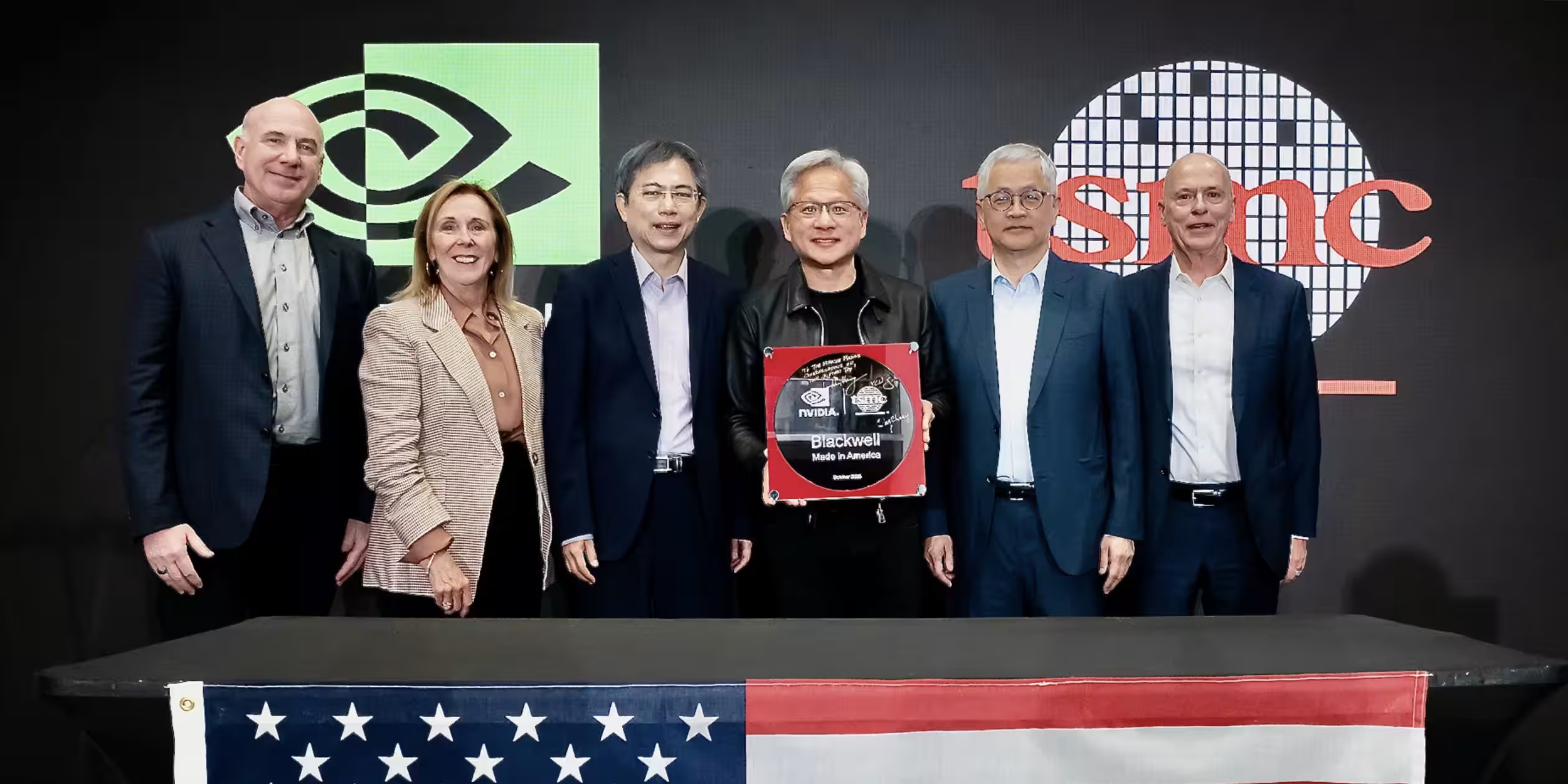
Notably, current CoWoS demand forecasts do not account for potential inbound orders from China related to NVIDIA’s H200 AI accelerators. If these additional requirements materialize, NVIDIA may need an even larger share of TSMC’s packaging output, potentially tightening supply further and heightening capacity challenges across the entire semiconductor sector.
TSMC continues to expand aggressively, with the Chiayi AP7 site scaling up eight dedicated advanced packaging fabs. The company is also building two new packaging facilities in Arizona to support US based manufacturing initiatives. Mass production in the United States is expected to begin by 2028, broadening TSMC’s geographic footprint and supporting long term customer commitments. Even with these expansions, however, analysts anticipate that CoWoS supply will remain constrained for years as AI accelerators drive unprecedented demand for high bandwidth memory integration and advanced packaging density.
As the AI industry transitions from training centric architectures toward inference optimized designs, application specific integrated circuits are gaining traction. Solutions such as Google TPUs continue to generate interest, although volume production at scale remains limited. The combination of surging demand and advanced packaging constraints underscores the strategic advantage of companies that secure long term capacity early, with NVIDIA clearly setting the pace.
Do you think TSMC’s upcoming capacity expansions will ease the CoWoS shortage, or will AI demand continue to outpace supply? Share your thoughts.
