
Microsoft Previews Major Windows 11 Gaming Optimizations for PCs and Handhelds

Microsoft has outlined its next wave of gaming focused innovations for Windows 11 in a new blog update titled “Windows PC gaming in 2025: Handheld innovation, Arm progress and DirectX advances.” The company confirmed a broad set of enhancements targeting gaming desktops, laptops, and especially the booming handheld PC segment. These updates bring improved ray tracing performance, broader AI upscaling support, faster shader compilation, and a more console like interface experience across the Windows ecosystem.
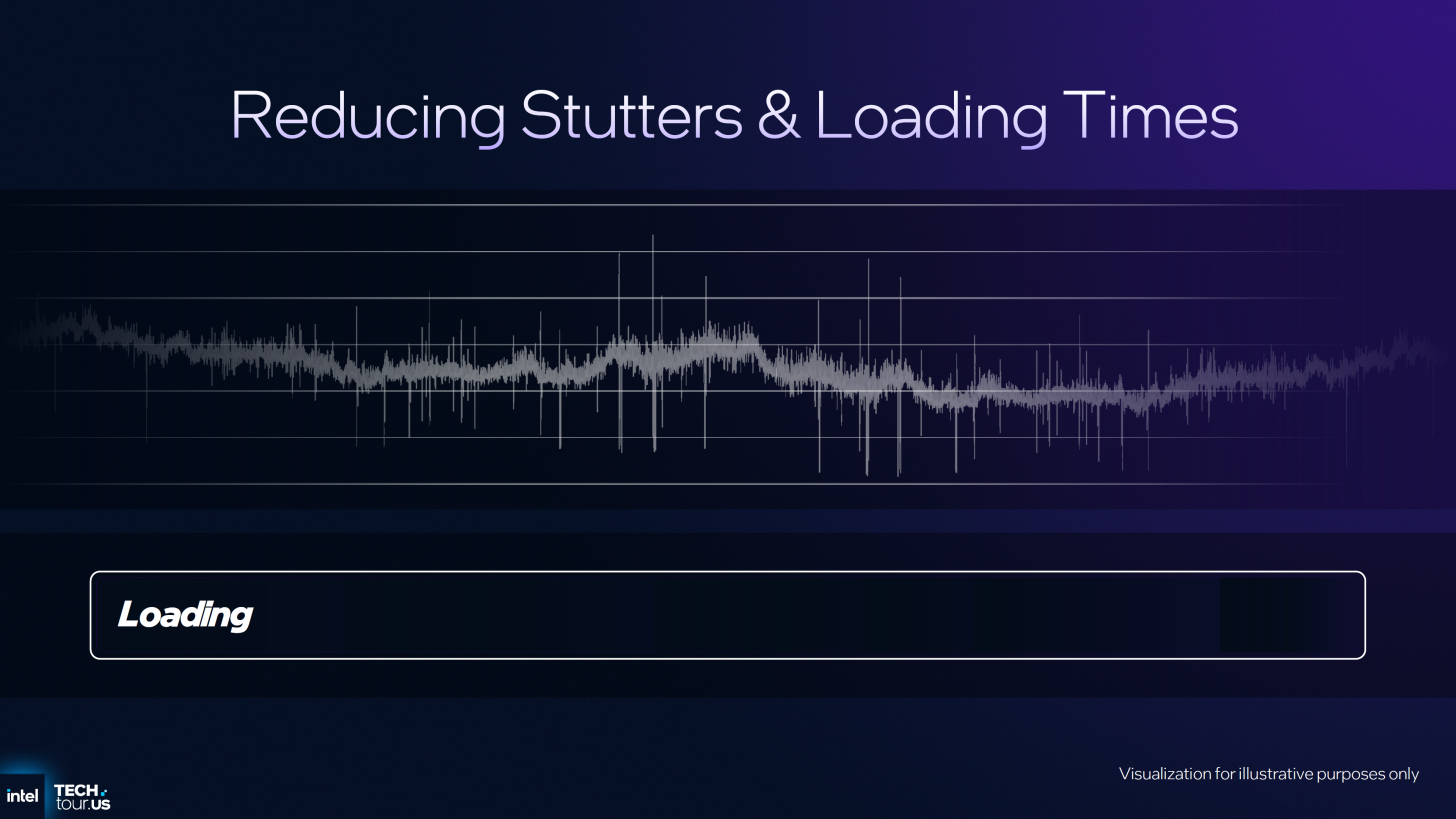
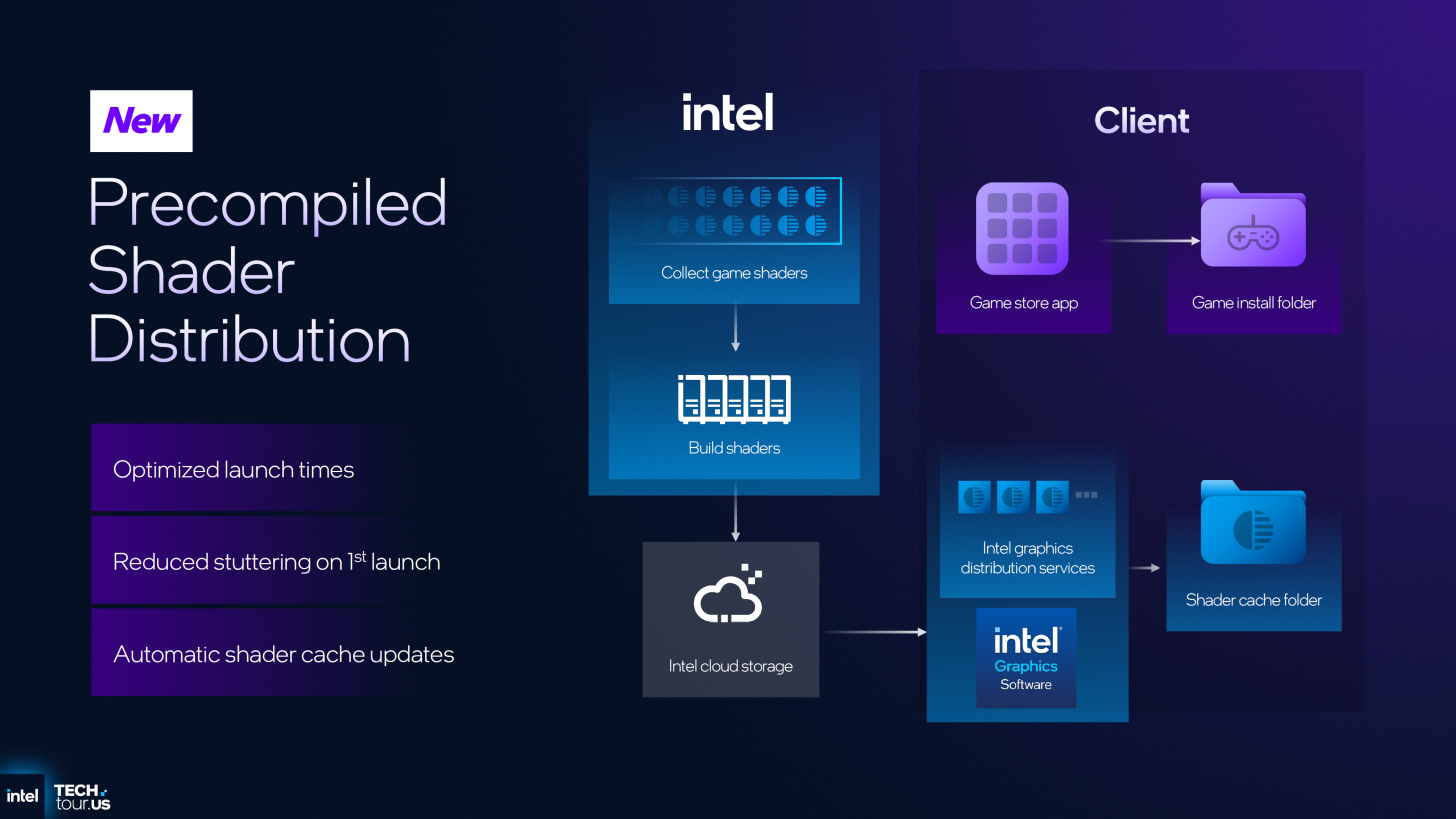
Windows 11 has already delivered meaningful improvements this year, including boosted DXR ray tracing, Xbox Full Screen Experience for handheld PCs, Auto SR (Super Resolution), and the new Advanced Shader Delivery system. Major GPU vendors are now integrating these technologies directly into their upcoming hardware platforms. Intel in particular is supporting precompiled shader distribution to address shader stutter and reduce game load times, a persistent challenge for PC gamers.
Microsoft also highlighted that its DXR 1.2 pipeline refinements are paving the path for neural rendering, an emerging class of AI driven graphics techniques that next generation GPU architectures—such as NVIDIA Blackwell and AMD RDNA Next—are already preparing to support.
Xbox Full Screen Experience Expands Beyond Handhelds
The Xbox Full Screen Experience expansion is one of the most significant user facing improvements. Previously a handheld exclusive, FSE is now rolling out to desktops, laptops, and 2 in 1 devices for Windows and Xbox Insiders. This controller first interface provides streamlined navigation, quick access to game libraries across major storefronts, and a distraction free full screen environment that mirrors a console like user experience.
Advanced Shader Delivery Comes to More Devices and Stores
Advanced Shader Delivery (ASD) is Microsoft’s new shader preloading framework that precompiles and distributes game shaders during download. The system reduces shader stutter, accelerates first run performance, improves smoothness, and boosts battery life on handhelds. Already available on the ROG Ally and ROG Ally X, Microsoft confirmed ASD will soon expand to additional devices and storefronts, including Steam. This makes shader compilation a foundational OS level feature rather than a per game optimization.
Auto Super Resolution Expands to AMD Ryzen AI Handhelds
Auto SR is Microsoft’s AI powered upscaling feature built directly into the OS. It sharpens visuals and raises frame rates on DirectX games running at lower resolutions, with no developer integration required. Initially shipped on Copilot Plus PCs powered by Snapdragon X processors, Auto SR will enter public preview on AMD Ryzen AI systems—including the ROG Xbox Ally X—in early 2026.
Core Performance Enhancements Continue
Microsoft reiterated its commitment to improving Windows gaming fundamentals through system level refinement. This includes smarter background task management, improved power and scheduling behavior, more efficient graphics stack handling, and continuous driver updates for stronger game stability and frame consistency.
What’s Next for Windows 11 Gaming
Gamers can opt in early by joining the Windows Insider Program and the Xbox Insider Program to test the expanded Xbox Full Screen Experience and other upcoming features. ASD enabled titles will begin rolling out more broadly, and Auto SR is expected to arrive to the ROG Ally X early next year.
Microsoft’s strategy is clear: unify PC gaming experiences, bring console like accessibility to Windows hardware, and accelerate AI driven and shader optimized rendering technologies across the platform. These improvements underscore Microsoft’s push to make Windows 11 the most versatile and powerful gaming OS for the next generation of PC hardware.
Which of these Windows 11 gaming features are you most excited to try, and do you think Microsoft’s handheld push is the right direction for the platform?
