
NVIDIA Reportedly Shifts H200 Production Away From China and Toward Vera Rubin
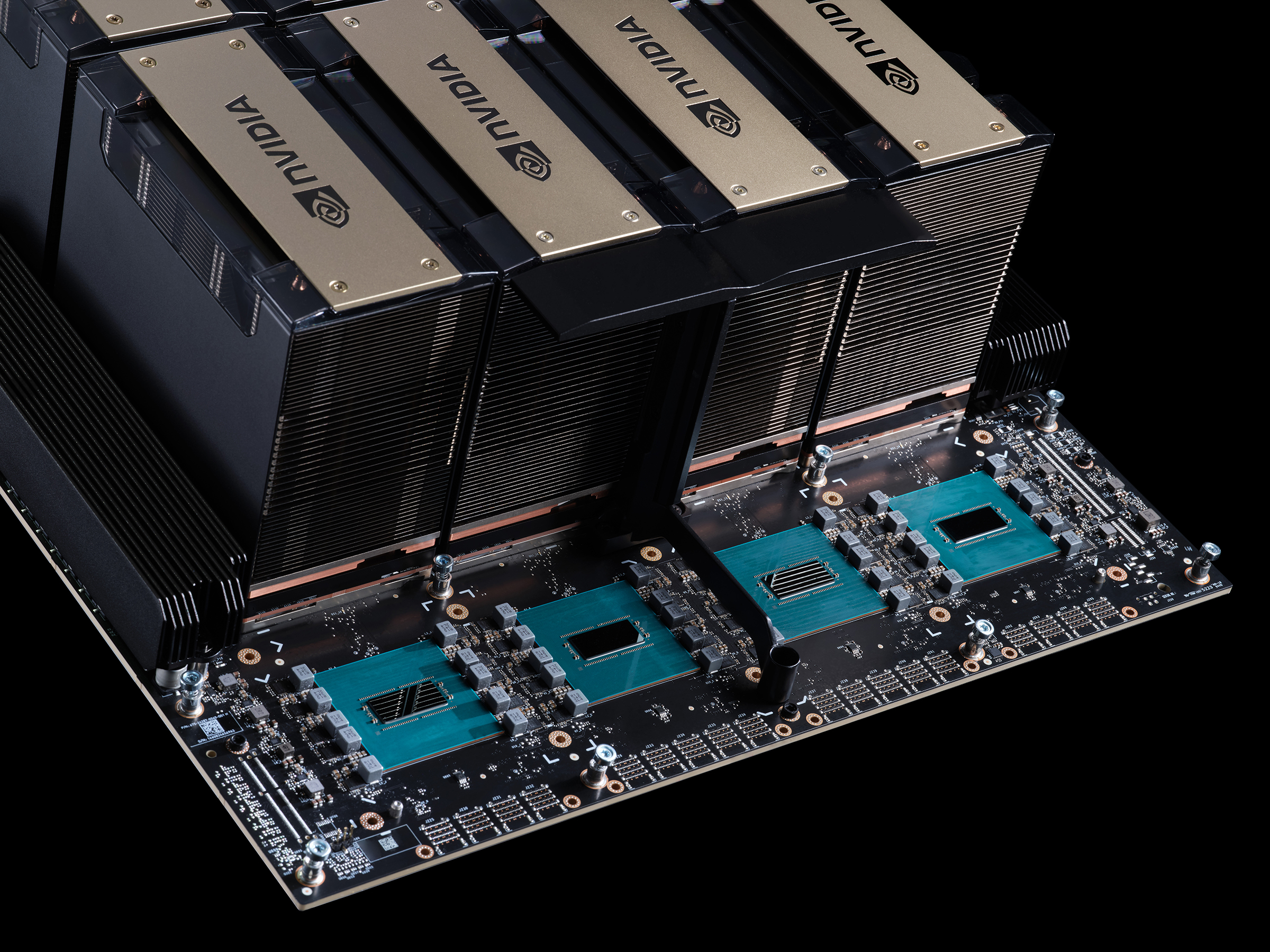
NVIDIA is reportedly moving away from China focused H200 production and redirecting that manufacturing attention toward its next major AI platform, Vera Rubin. According to a new report from the Financial Times, the company has halted production of H200 chips intended for the Chinese market after months of uncertainty around export approvals, policy risks, and broader geopolitical friction. The reported decision suggests NVIDIA is now prioritizing supply chain consistency and predictable global demand rather than keeping capacity tied up in a market where policy conditions can shift with little warning.
That change in direction is especially notable because NVIDIA had reportedly been preparing for far larger China demand earlier in the cycle. Previous reporting indicated the company had expected substantial interest from Chinese hyperscalers and had aligned parts of its supply chain around those expectations. However, the situation changed as Washington continued evaluating tighter controls, and a separate Bloomberg report said the United States was considering a per customer cap of 75,000 H200 chips for Chinese buyers. That figure would come in far below the scale NVIDIA had reportedly been preparing for, making long term planning significantly harder.
From a business perspective, this appears less like a retreat from revenue and more like a decision to protect execution. NVIDIA’s advanced AI supply chain is already constrained by packaging capacity, memory availability, and hyperscaler demand, so locking valuable production into an uncertain channel carries a real opportunity cost. Reuters, citing the Financial Times report, said NVIDIA had shifted TSMC capacity away from China bound H200 production and toward Vera Rubin products instead. That matters because Rubin is widely expected to become one of the company’s most important next generation AI platforms, especially for large scale inference and more advanced long context workloads.
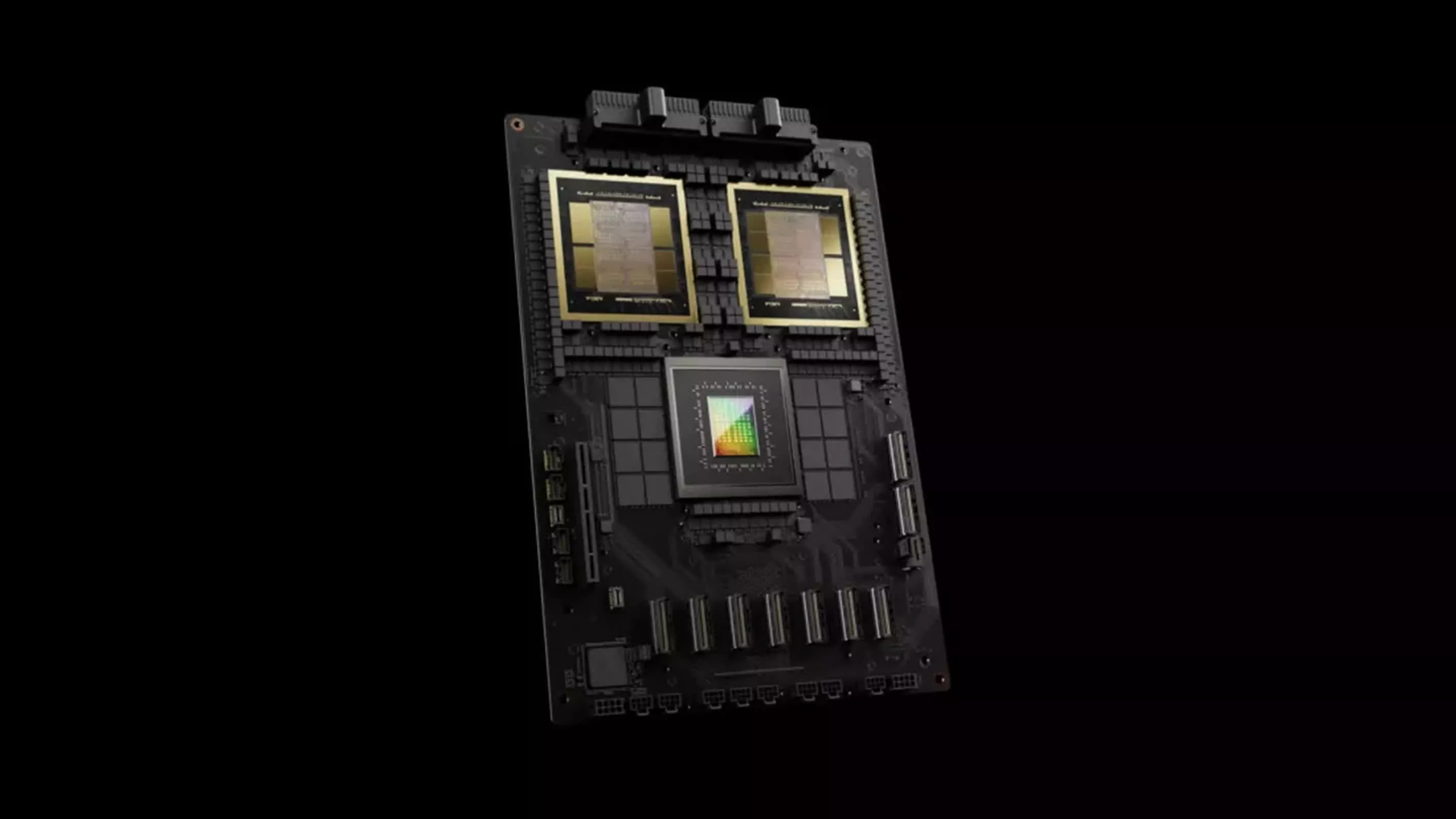
The broader implication is that NVIDIA may now be favoring certainty over maximum short term market reach. China remains too large to ignore, but if both Washington and Beijing continue making the operating environment unstable, NVIDIA has a clear incentive to serve hyperscalers and enterprise customers in markets where deployment plans are easier to forecast. That does not mean the China story is over, but it does suggest the company is no longer willing to let uncertain H200 policy slow the rollout of higher priority platforms. Based on current reporting, the Vera Rubin transition is becoming part of that broader strategic pivot.
For the AI industry, this is another reminder that demand alone is not what decides where compute goes. Policy stability, supply chain visibility, and platform timing now matter just as much. NVIDIA may still want Chinese revenue, but the current signal is that predictable execution is winning over speculative volume. If that holds, Vera Rubin could benefit sooner than expected from capacity that was once meant to support H200 expansion in China.
Do you think NVIDIA is making the right move by prioritizing supply chain certainty over uncertain China revenue, or is it giving up too much ground in one of the world’s biggest AI markets?
