
NVIDIA Raises GeForce Graphics Card Prices for Third Time in 2026 as Retail Channels Panic
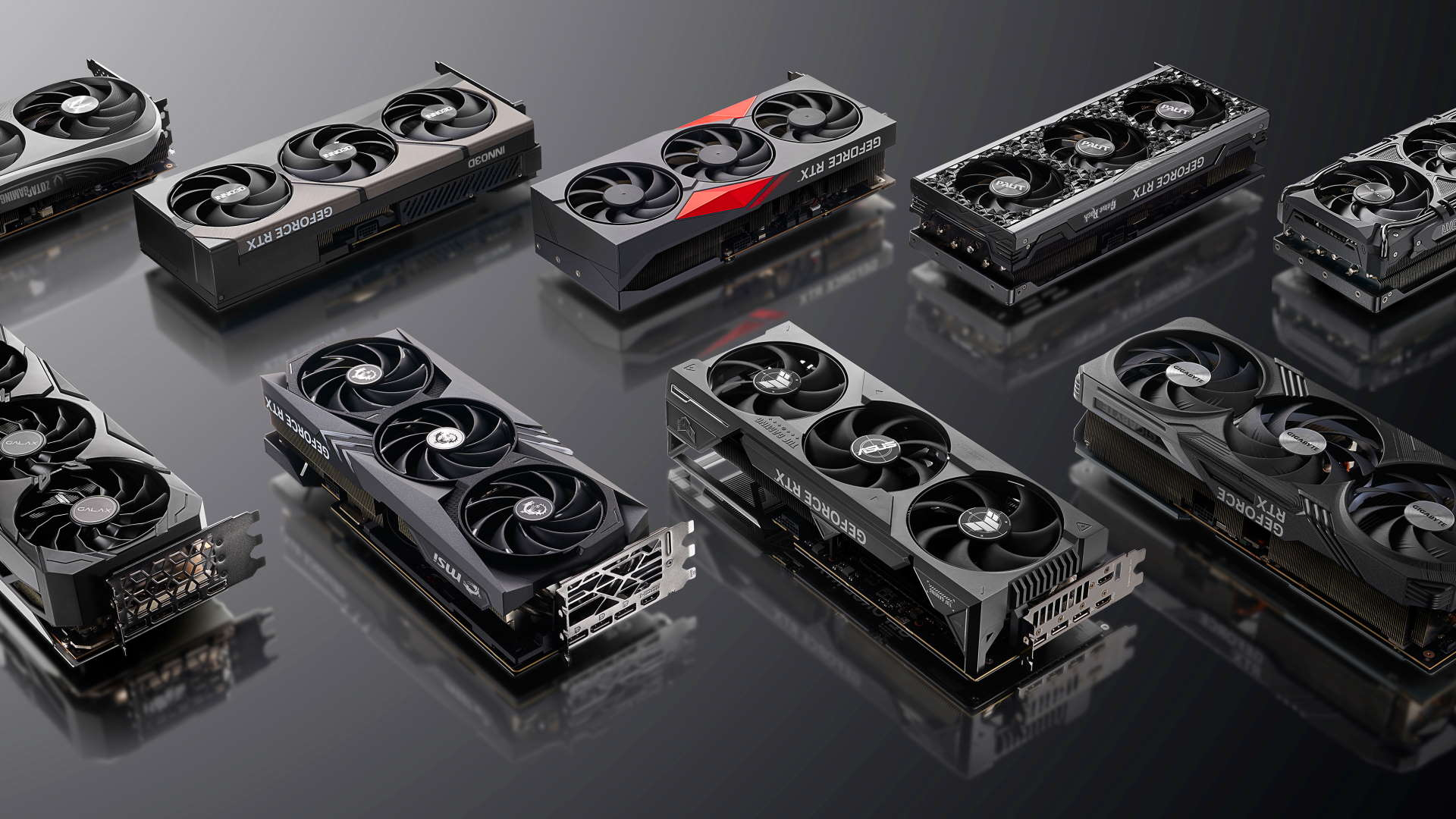
NVIDIA has reportedly increased prices across a broader selection of consumer GeForce graphics cards, marking its third pricing adjustment of 2026 as rising memory costs continue to pressure the graphics hardware market.
According to Taiwan’s Economic Daily, NVIDIA has raised graphics card prices by approximately 20% to 30%. The adjustment reportedly follows Samsung increasing DRAM prices by around 20% for the current quarter, adding further cost pressure across graphics card production and distribution.
NVIDIA previously increased prices by approximately 10% to 15% in January 2026. A second adjustment followed in May, although that increase primarily affected premium products such as the GeForce RTX 5090 series. The latest change reportedly covers significantly more mainstream models, making this the company’s broadest consumer graphics card price increase of the year.
BenchLife reports that NVIDIA’s latest pricing notices to supply chain partners apply to complete graphics processing packages. These bundles include both the GPU and the accompanying GDDR memory, indicating that rising video memory costs are directly affecting the prices offered to graphics card manufacturers and distributors.
The notices, combined with widespread market speculation, have reportedly triggered panic across retail distribution channels. A major Chinese ecommerce platform temporarily removed several mainstream NVIDIA graphics cards from its listings last week as distributors and retailers reassessed inventory levels and replacement costs. Retail price movements are already becoming visible. A GeForce RTX 5070 Ti equipped with 16GB of GDDR7 memory is reportedly selling for 10,700 yuan, approximately $1,581. The same model was available for 9,299 yuan, approximately $1,374, one week earlier and 7,200 yuan, approximately $1,064, in November 2025.
This represents an increase of roughly 49% compared with its November price, creating additional pressure for gamers, system integrators, and retailers already dealing with limited supply and increasing component costs. The GDDR7 market is also producing unusual pricing differences between memory densities. A standard 2GB GDDR7 chip reportedly costs around $20, while a 3GB chip can cost between $60 and $70. Although the higher capacity chip provides only 50% more memory, its price can be more than 3 times higher.
The latest increase demonstrates how memory supply constraints can rapidly affect the entire graphics card market. NVIDIA is not simply adjusting the cost of individual GPUs. By pricing the GPU and GDDR memory as a complete package, higher memory costs are being transferred across board partners, distributors, retailers, and ultimately consumers.
The extreme premium attached to 3GB GDDR7 chips could also affect future graphics card configurations. Products using 12GB, 18GB, or 24GB layouts may face greater pricing pressure than models built around more widely available memory densities. Unless GDDR7 supply improves, gamers could see higher launch prices, reduced availability, and fewer discounts across both mainstream and premium GeForce products.
Would you still purchase an RTX 50 series graphics card after a 20% to 30% price increase, or would you wait for prices and memory supply to stabilize?
