
NVIDIA Launches NemoClaw to Make OpenClaw Safer for Enterprise and Edge AI Agent Deployments

NVIDIA has officially announced NemoClaw, a new open source stack designed to make OpenClaw deployments more secure, more governable, and easier to run at scale across enterprise and edge environments. In the company’s official announcement, NVIDIA says NemoClaw lets users install NVIDIA Nemotron models together with the newly introduced NVIDIA OpenShell runtime in a single command, adding privacy and security controls intended to make always on autonomous AI agents more trustworthy and practical for real world deployment.
That positioning is important because it directly targets one of the biggest barriers to enterprise adoption of autonomous agents: control. OpenClaw may have generated strong excitement as an agentic AI framework, but enterprises typically need far more than raw capability before they allow software to operate autonomously inside sensitive workflows. NVIDIA says NemoClaw addresses that by installing OpenShell, part of the NVIDIA Agent Toolkit, which enforces policy based privacy and security guardrails that govern how agents behave and how they access data.
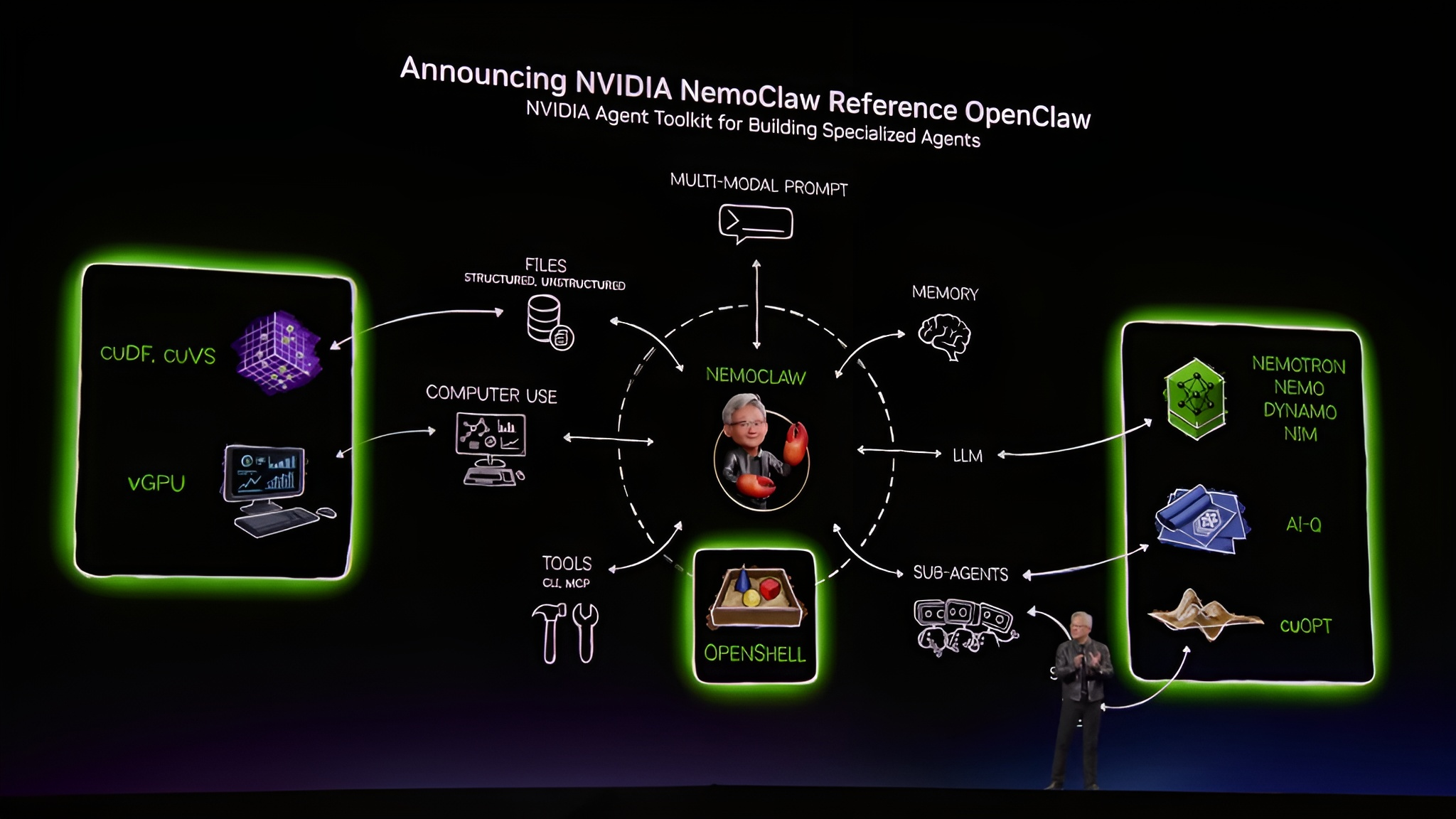
NVIDIA’s official NemoClaw page is very explicit about the goal. The company describes NemoClaw as an open source stack that “adds privacy and security controls to OpenClaw” and says it is meant to help users run always on, self evolving agents “more safely” across environments including the cloud, on prem systems, NVIDIA RTX PCs, and DGX Spark platforms. That language makes it clear this is not being pitched as a replacement for OpenClaw, but as a hardened layer on top of it.
The core architecture appears to revolve around 3 pieces. First is OpenClaw itself as the agent framework. Second is OpenShell, which NVIDIA describes as a secure runtime for autonomous agents. Third is access to NVIDIA’s broader AI software stack, including Nemotron models and additional tooling that helps with deployment and scale. NVIDIA says this combination creates a safer and more manageable foundation for self evolving agents, particularly in environments where policy enforcement and data governance are not optional.
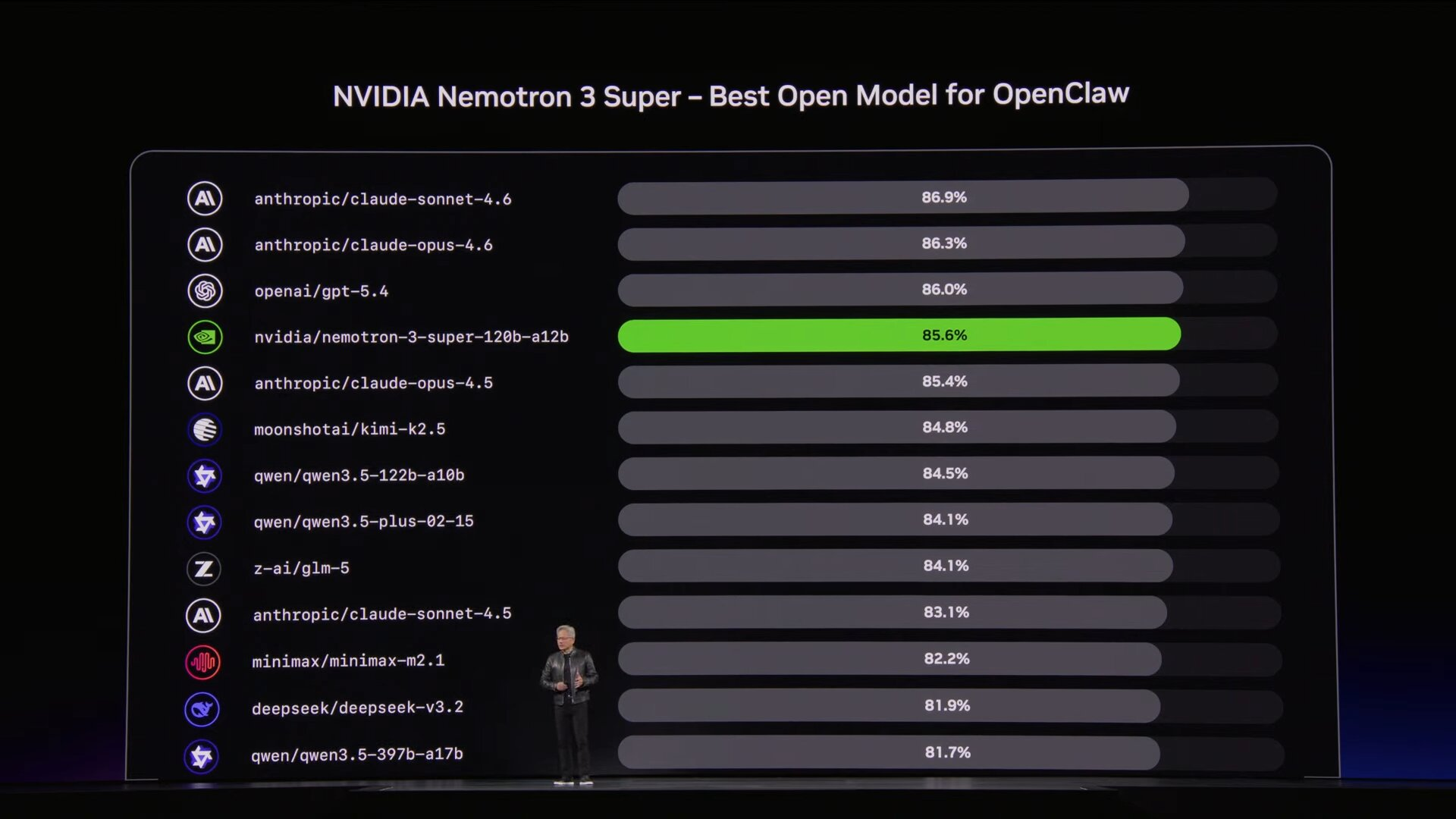
NVIDIA also tied NemoClaw to its larger GTC 2026 push around agentic AI. In the company’s GTC news coverage, it says pairing DGX Spark and DGX Station systems with NemoClaw creates a full stack platform for locally developing and deploying autonomous long running agents. NVIDIA frames these systems as ideal for building and validating OpenClaw based agents locally before scaling them into larger data center AI factory environments. That suggests NemoClaw is being positioned not just as a software patch, but as part of an end to end agent infrastructure strategy.
Another practical point is ease of setup. NVIDIA repeatedly emphasizes that NemoClaw works with a single command, which is clearly intended to lower friction for developers and early enterprise adopters. In a market where deployment complexity often slows experimentation, that kind of packaging can matter almost as much as raw model capability.
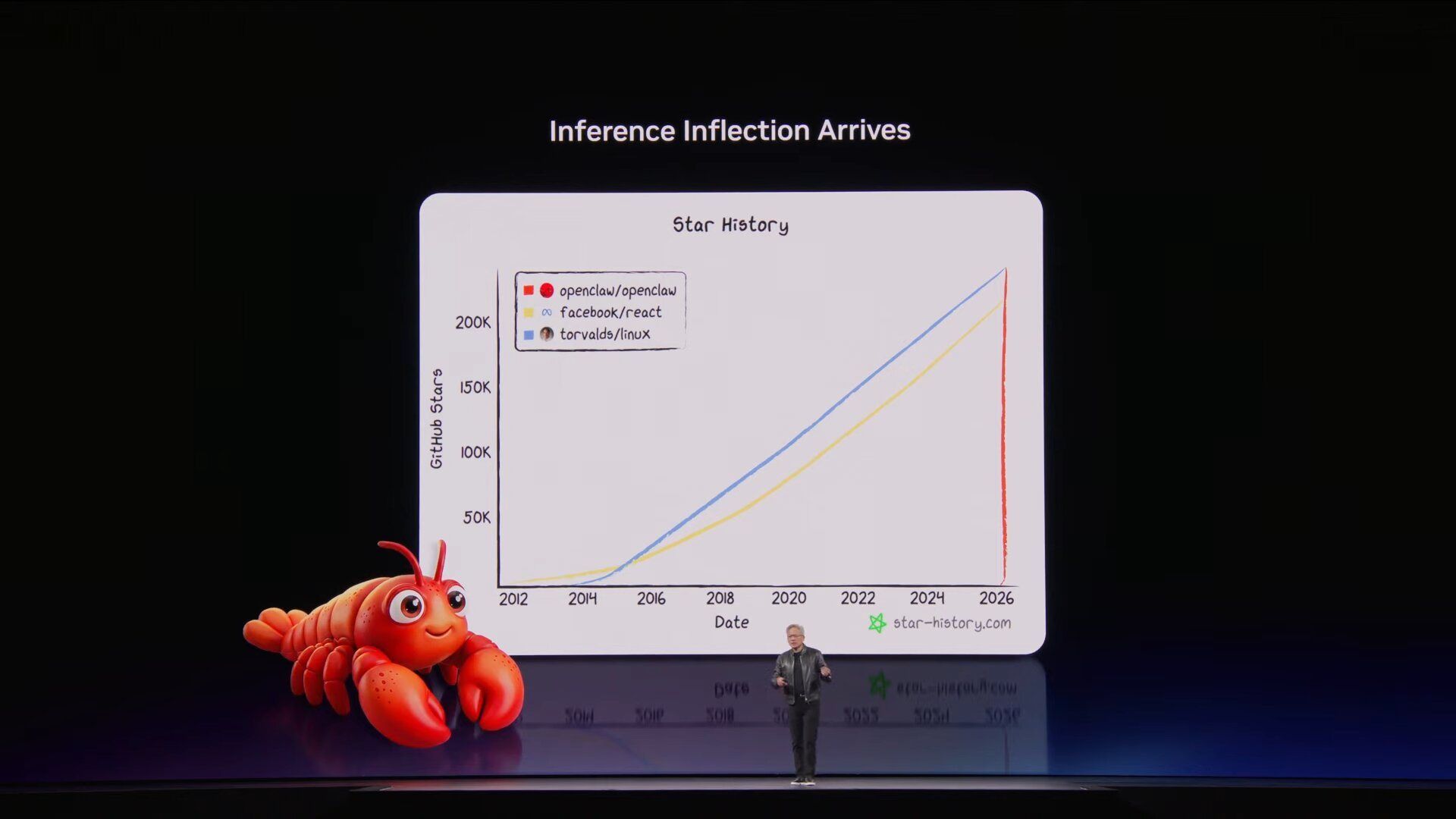
There are, however, some claims in the broader discussion around OpenClaw that should be treated carefully. NVIDIA’s official materials do confirm NemoClaw, OpenShell, Nemotron integration, and the security and privacy focus. But stronger rhetorical claims, such as OpenClaw surpassing Linux in adoption or NemoClaw fully solving enterprise agent safety, are not established as hard measured facts in the official launch materials available so far. What NVIDIA has clearly announced is a safer deployment stack with added guardrails, not a guarantee that all agent risk has been eliminated.
From an industry perspective, NemoClaw may be one of the more important agent related announcements from GTC because it addresses the unglamorous part of the AI agent story: enterprise readiness. Many companies are interested in agents. Far fewer are comfortable deploying autonomous software that can touch internal systems, sensitive data, or business critical processes without strong policy enforcement. NemoClaw is NVIDIA’s answer to that problem, and it fits neatly into the company’s broader effort to turn agentic AI from a demo category into a real infrastructure market. That last point is an inference based on NVIDIA’s official launch framing and the way it connects NemoClaw to DGX and Agent Toolkit products.
Whether NemoClaw becomes the standard path for enterprise OpenClaw deployments will depend on how well these guardrails work in practice. But at launch, NVIDIA has made one thing very clear: the company does not want the future of autonomous agents to be defined only by what they can do, but also by how safely and controllably they can do it.
What do you think, is NemoClaw the missing layer that could make AI agents viable for enterprise use, or does autonomous software still carry too much operational risk even with stronger guardrails?
