
NVIDIA CEO Says Critics Are “Completely Wrong” About DLSS 5, Arguing Developers Still Control the Final Artistic Result
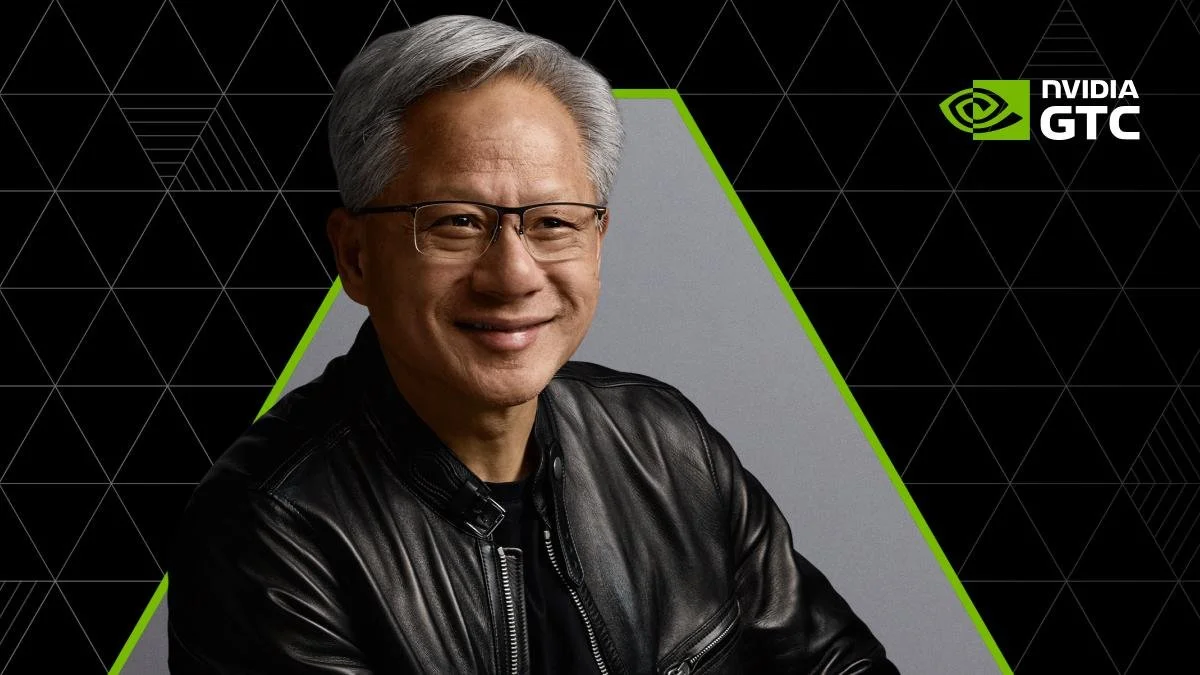
NVIDIA CEO Jensen Huang has now responded directly to the backlash surrounding DLSS 5, rejecting the growing claim from some players that the new technology is little more than “AI slop” layered over games. Speaking in a press Q&A covered by Tom’s Hardware, Huang said critics are “completely wrong,” arguing that DLSS 5 is not a simple post processing filter but a much deeper rendering system built around what he describes as developer controlled generative AI.
According to Huang, the central misunderstanding is the idea that DLSS 5 blindly repaints a finished frame. His argument is that the technology works with structured scene information such as geometry, textures, motion vectors, and depth rather than simply guessing at a prettier image after the fact. NVIDIA’s own official description of DLSS 5 presents it as a real time neural rendering model that uses frame color and motion data to add photoreal lighting and materials while remaining anchored to the game’s 3D content. In NVIDIA’s framing, this is meant to preserve coherence and developer intent rather than override it.
That is also where artistic control becomes the core of NVIDIA’s defense. Huang’s comments, as reported by Tom’s Hardware, emphasize that developers decide how much of the technology they want to use and how it fits their game. NVIDIA has separately said the DLSS 5 SDK includes controls for things such as intensity, color grading, and masking, which are intended to let studios tune the effect instead of accepting a one size fits all result. That point has become increasingly important as criticism has focused on how dramatically some early demos appeared to change character faces and overall visual style.
Bethesda has already reinforced that position from the developer side. After the first wave of criticism hit, the studio said its DLSS 5 implementation is still a “very early look,” that its art teams will continue adjusting the effect, and that the feature will remain optional for players. That response matters because it shifts the conversation away from whether DLSS 5 exists at all and toward how responsibly it is implemented in actual games. In other words, NVIDIA can say the tools are in developers’ hands, but the real test will be whether studios use those controls well enough to keep the original visual identity intact.
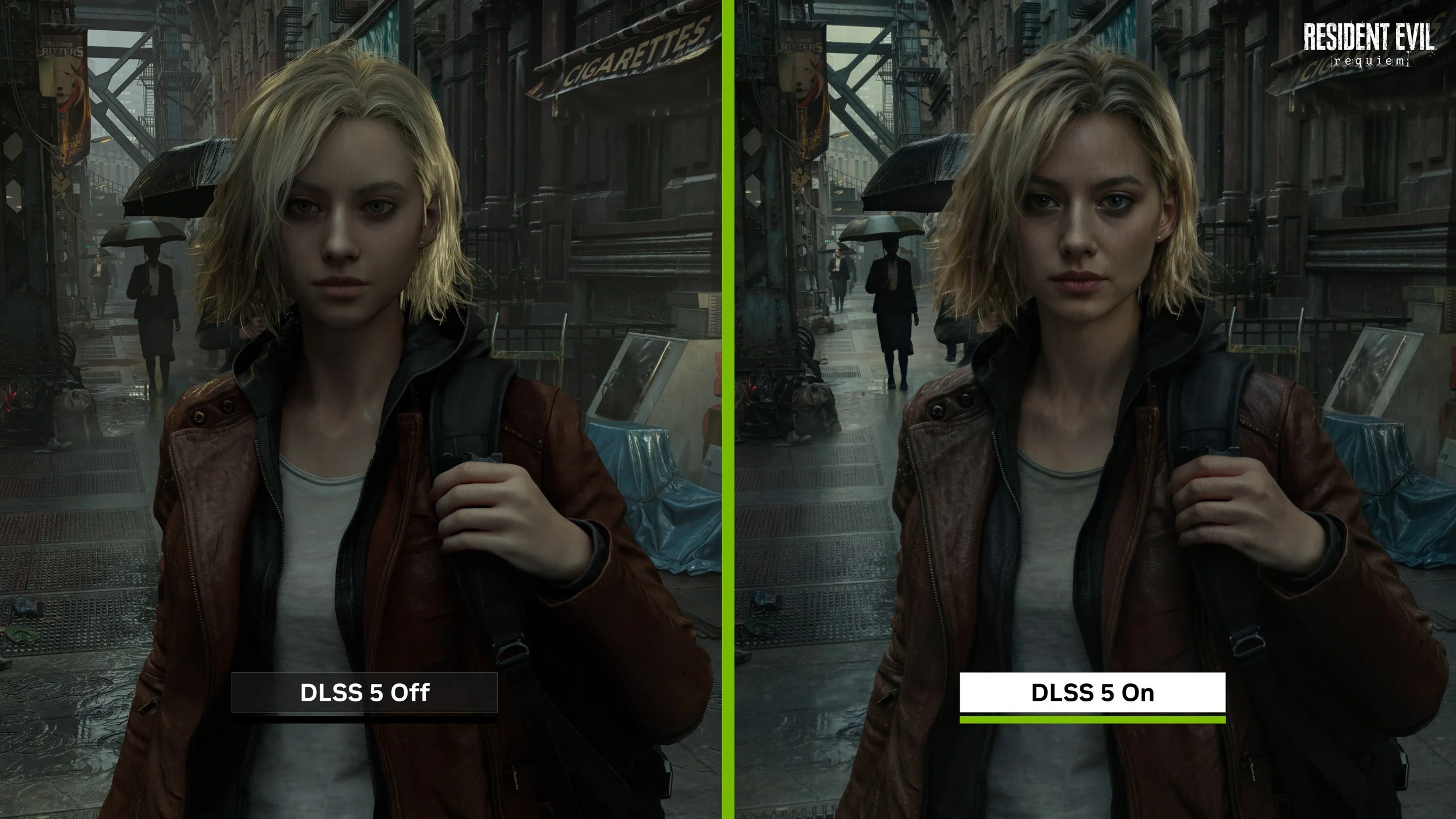
At the same time, the backlash is not difficult to understand. Early reactions across gaming media have focused heavily on cases where DLSS 5 appears to smooth, beautify, or homogenize faces in a way that feels disconnected from the original art direction. Critics are not only reacting to the presence of AI, but also to the fear that once a rendering system starts visibly reshaping faces, skin, and materials, it can begin to feel less like enhancement and more like reinterpretation. That tension is why the debate has escalated so quickly beyond a normal graphics feature rollout.
What Huang is essentially arguing is that DLSS 5 should be judged less like a social media filter and more like a new stage in graphics rendering, closer to a major engine level leap than a cosmetic effect. Whether players accept that framing will likely depend on how the technology looks once it ships in complete games rather than curated demos. For now, though, NVIDIA’s message is firm: DLSS 5 is not meant to replace artistic direction, but to extend what developers can achieve when they choose to use it. The problem for NVIDIA is that many players have not yet been convinced that those two things will always remain separate.
Do you think DLSS 5 is a real graphics breakthrough under developer control, or does it still risk pushing games too far away from their original visual identity?
