
NVIDIA Restarts H200 Production for China as Jensen Huang Confirms New Orders Are In
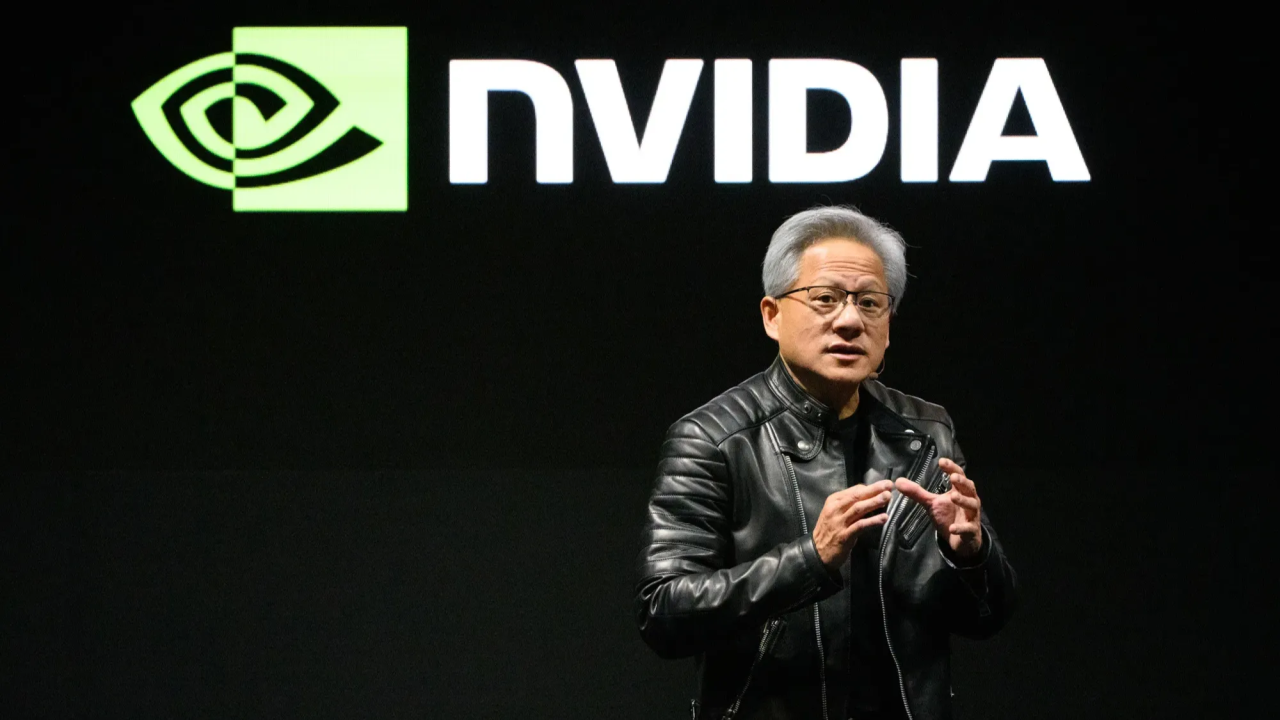
NVIDIA’s China strategy appears to have shifted again, but this time with more confidence from Jensen Huang himself. According to a new CNBC report, Huang confirmed that NVIDIA has received purchase orders from China and has begun restarting manufacturing for its H200 chip line. Reuters separately reported that NVIDIA has restarted manufacturing for an H200 variant designed to comply with U.S. export restrictions, after previously halting production because of regulatory complications on both the U.S. and Chinese sides.
That is the key point to get right here. The current reporting does not indicate that unrestricted standard H200 shipments are suddenly flowing freely into China. Reuters says this is a China compliant H200 variant, and that NVIDIA resumed manufacturing after securing the necessary U.S. government licenses to export the chip and after receiving fresh demand. In other words, this is not a blanket reopening of NVIDIA’s full China AI portfolio, but a more narrowly structured restart under export control rules.
The timing matters because NVIDIA’s China position has looked increasingly unstable over the last several months. Reuters had previously reported in December 2025 that Chinese demand for H200 was strong, but that purchases were still awaiting Chinese regulatory clearance, while NVIDIA was also exploring added production capacity because of robust interest. That earlier uncertainty made the latest update more meaningful, since Huang is now signaling that the supply chain is being reactivated rather than left in limbo.
There is also an important business nuance in Reuters’ latest coverage. The publication says revenue from these China bound H200 chips is not included in NVIDIA’s forecast that its opportunity in Blackwell and Rubin AI chips could exceed 1 trillion dollars by 2027. That implies NVIDIA still sees China H200 sales as a separate, more constrained business stream rather than a centerpiece of its next generation growth narrative. The company’s long term strategic focus remains centered on Blackwell, Rubin, inference systems, and the broader AI factory roadmap presented at GTC 2026.
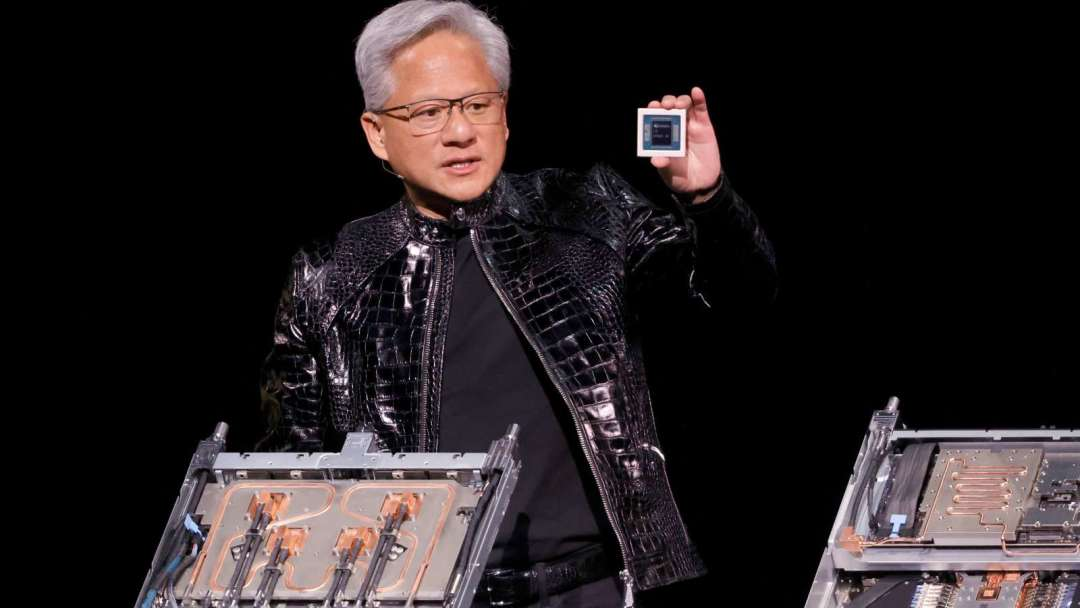
The Groq angle is also real, but it needs careful wording. Reuters reported that NVIDIA introduced an AI system using technology licensed from Groq, with Groq chips handling the decode stage of inference and NVIDIA Rubin chips handling prefill. Reuters also noted in prior China focused coverage that NVIDIA had been preparing Groq based chips that could be sold into the Chinese market. What is not clearly confirmed in the source material I reviewed is the more specific claim that Chinese customers will definitely receive a Hopper plus Groq pairing by May in the exact way some summaries have described. The safer takeaway is that NVIDIA is building additional China relevant inference options around licensed Groq technology, while its flagship Rubin stack remains a separate track.
Strategically, this restart shows that NVIDIA is still not willing to walk away from China, even as the company keeps redesigning products and adjusting its sales approach to fit political and regulatory boundaries. The H200 restart suggests there is still enough demand in the region to justify bringing capacity back online, even for an older Hopper based product. That alone says a lot about how hungry Chinese hyperscalers remain for high end AI compute, especially when access to the newest global platforms is more limited.
The bigger question now is durability. NVIDIA may have restarted manufacturing, but this remains a politically sensitive lane where conditions can change quickly. Huang’s comments signal real momentum, but the story is still shaped by export licenses, compliance boundaries, and the possibility of new regulatory friction. For now, though, NVIDIA has managed to get H200 production moving again for China, and after months of uncertainty, that alone is a significant development.
Do you think NVIDIA can keep building a stable AI business in China through compliant variants, or will the market keep forcing temporary workarounds like this?
