
Take-Two CEO Says GenAI Can Speed Up Asset Creation, but It Still Cannot Make a Hit Like GTA
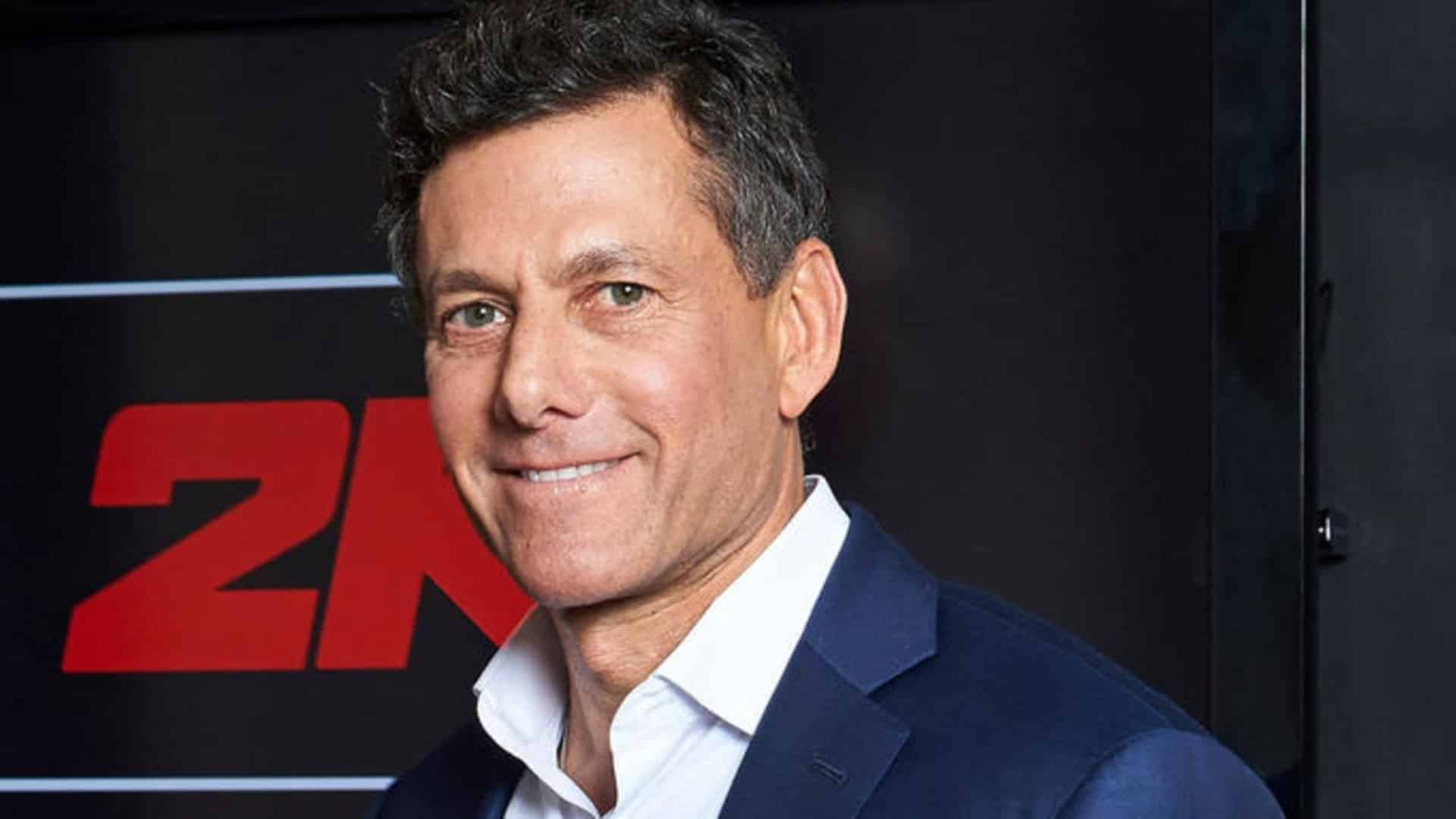
Take-Two Interactive CEO Strauss Zelnick is once again pushing back on one of the most common claims around generative AI in games: the idea that better AI tools will somehow let anyone create the next Grand Theft Auto with the press of a button. In a new interview with The Game Business, Zelnick argued that AI can absolutely help development workflows, but that is very different from creating a genuine blockbuster. His clearest line was also the most direct: these tools “may help you create assets, but that won’t help you create hits.”
That view is consistent with how Zelnick has framed AI for some time now. He is not treating it as useless, and he is not pretending it will disappear. Instead, he is describing it as another production tool in an industry that has always adopted new technology to work faster and better. In the interview, he said he was surprised by market reactions that treated AI as a threat to major entertainment companies, arguing that better creation tools are naturally beneficial to game development. At the same time, he drew a hard line between making content faster and making something that truly resonates with millions of players.
That distinction is where the larger GTA comparison comes in. Zelnick said the idea that tools like Google’s Project Genie could let an individual generate a game on the scale of Grand Theft Auto is “laughable.” His argument is that the market already has no shortage of tools that help people build games, and thousands of games already launch every year. The missing ingredient is not access to assets. It is the creative direction, execution, funding, iteration, and human judgment required to turn those assets into a cultural hit.
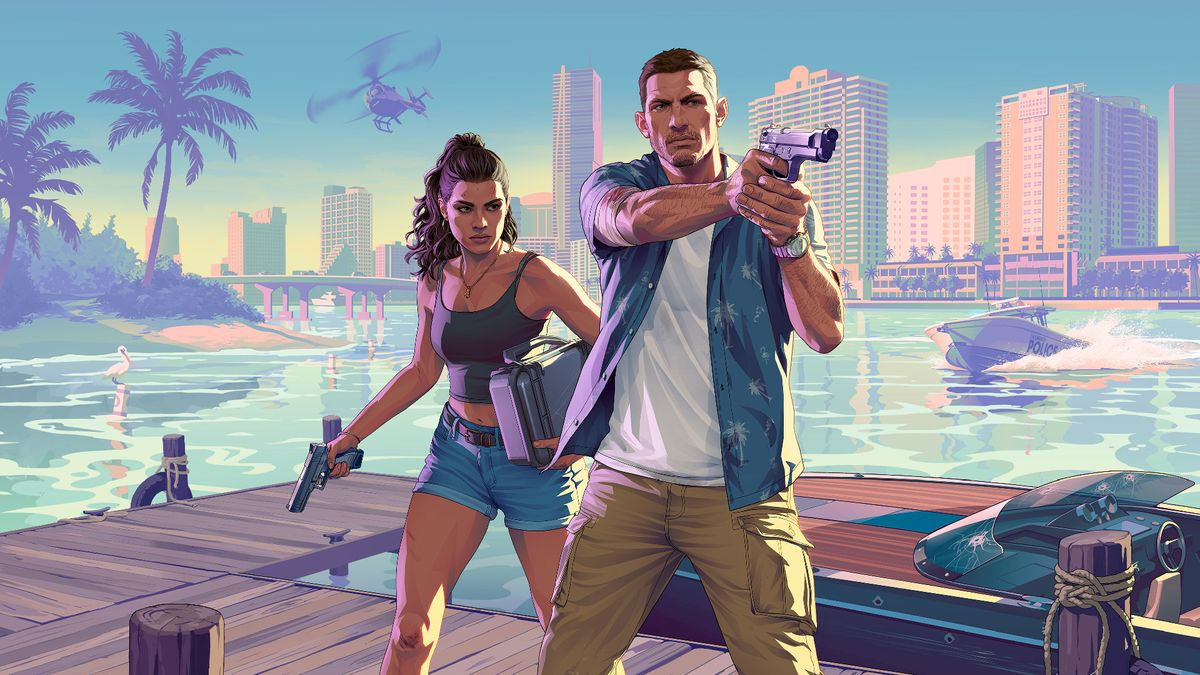
That also aligns with what Zelnick has said recently about Rockstar itself. Earlier this year, he stated that generative AI had “zero part” in the creation of GTA VI, emphasizing that Rockstar’s games are handcrafted and built through human authored design rather than machine generated shortcuts. In other words, even as Take-Two explores AI more broadly across the company, the publisher is still drawing a very visible line around what makes its biggest releases special.
The timing of these comments is especially notable because the broader games industry is once again in the middle of an AI backlash cycle, this time intensified by NVIDIA’s DLSS 5 reveal and the wider debate over how AI should influence graphics, asset production, and visual identity. Zelnick’s answer is far less ideological than many of the online arguments surrounding the issue. His point is not that AI is harmless in every context, or that every concern is overblown. His point is that the creative challenge of making a hit has never been solved by tools alone, and there is no sign that AI changes that equation.
That may be the most practical takeaway from the interview. AI can make asset creation faster. It can help teams prototype, iterate, and optimize. It may even reduce friction in some parts of development. But none of that guarantees taste, emotional impact, worldbuilding cohesion, or the kind of authored identity that defines a game like GTA. Zelnick is essentially arguing that scale and substance still come from people, not prompts. Whether someone loves AI tools or hates them, that is probably the one part of this conversation the wider industry should be able to agree on.
Do you agree with Strauss Zelnick that AI can help make assets but still cannot create a true hit on the level of GTA?
