
NVIDIA CEO Jensen Huang Pushes Back On AI Doomer Narrative, Industry Reads It As A Shot At Anthropic’s Dario Amodei
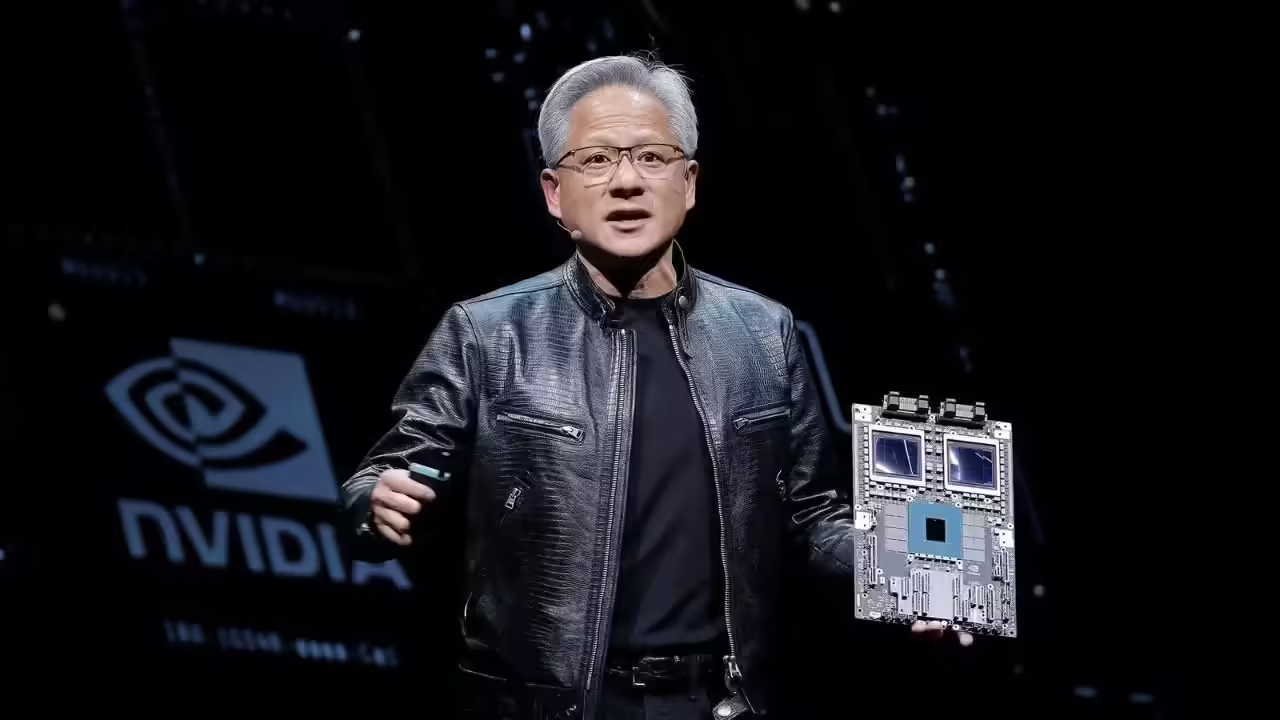
As AI investment continues to surge across the semiconductor and cloud stack, the public conversation is still split between acceleration and anxiety. The core fear is familiar: automation replaces human labor, unemployment rises, and policy makers are forced into reactive regulation. In a recent appearance on the No Priors podcast, NVIDIA CEO Jensen Huang rejected that framing and called it the doomer narrative, arguing it is actively harmful to society, governments, and the industry because it spreads science fiction style expectations and discourages constructive investment.
Huang’s criticism is less about regular consumers being cautious and more about who he believes is steering the narrative. He suggests that many of the loudest voices pushing the most alarming messaging are not ordinary people at all, but executives positioning governments toward regulation. In the same conversation, he frames the result as a policy environment that can slow progress rather than improve outcomes, including through restrictions that affect chips, infrastructure, and the pace of AI advancement.
While Huang did not name any specific executive during the discussion, the broader industry context makes it easy to see why commentators are connecting dots. Anthropic CEO Dario Amodei has been one of the most visible leaders advocating for stronger AI regulation and has publicly emphasized workforce disruption risk, including concerns about a large share of white collar work being impacted. A Fortune profile of Amodei highlights his view that AI needs more thoughtful regulation and that concentrated decision making by a small group of leaders is not a comfortable long term outcome.
The tension here is strategic, not just rhetorical. NVIDIA’s business model depends on rapid scaling of compute and fast deployment cycles across data centers, enterprises, and edge devices. From that lens, heavy regulation can look like friction that advantages incumbents, delays adoption, and reduces the willingness of customers to fund long term platform transitions. Huang’s argument is that advancing quickly is not the enemy of safety, it is the path to better performance and performance is the first layer of safety because a system must behave as advertised before any broader safety framework can be evaluated realistically.
For gamers and creators, this debate is not abstract. AI is already reshaping workflows in game production, from art and localization to testing automation and player support, while also enabling new gameplay experiences like smarter NPC behavior, dynamic quest logic, and personalized world simulation. If regulation slows access to tooling, compute, or model capability, studios could see longer iteration cycles and higher production costs. If regulation is too light, the industry risks trust erosion, labor backlash, and uneven adoption where only the largest publishers can absorb governance overhead. The real battleground is not whether AI exists in games, it is who controls it, who benefits from it, and how fast the ecosystem can move without breaking public confidence.
In short, Huang is pushing for momentum and framing fear as self defeating, while leaders like Amodei emphasize guardrails and societal readiness. This is not just a personality clash. It is a collision between two operating models: scale first platform building versus safety first constraint setting. The policy decisions made in 2026 will determine which model sets the norm.
What is your take on this split, should the industry prioritize faster progress to improve capability and safety through iteration, or stronger regulation early to prevent long term damage?
