
Hazelight Director Josef Fares Says The Studio’s Next Game Will Be Better Than Split Fiction
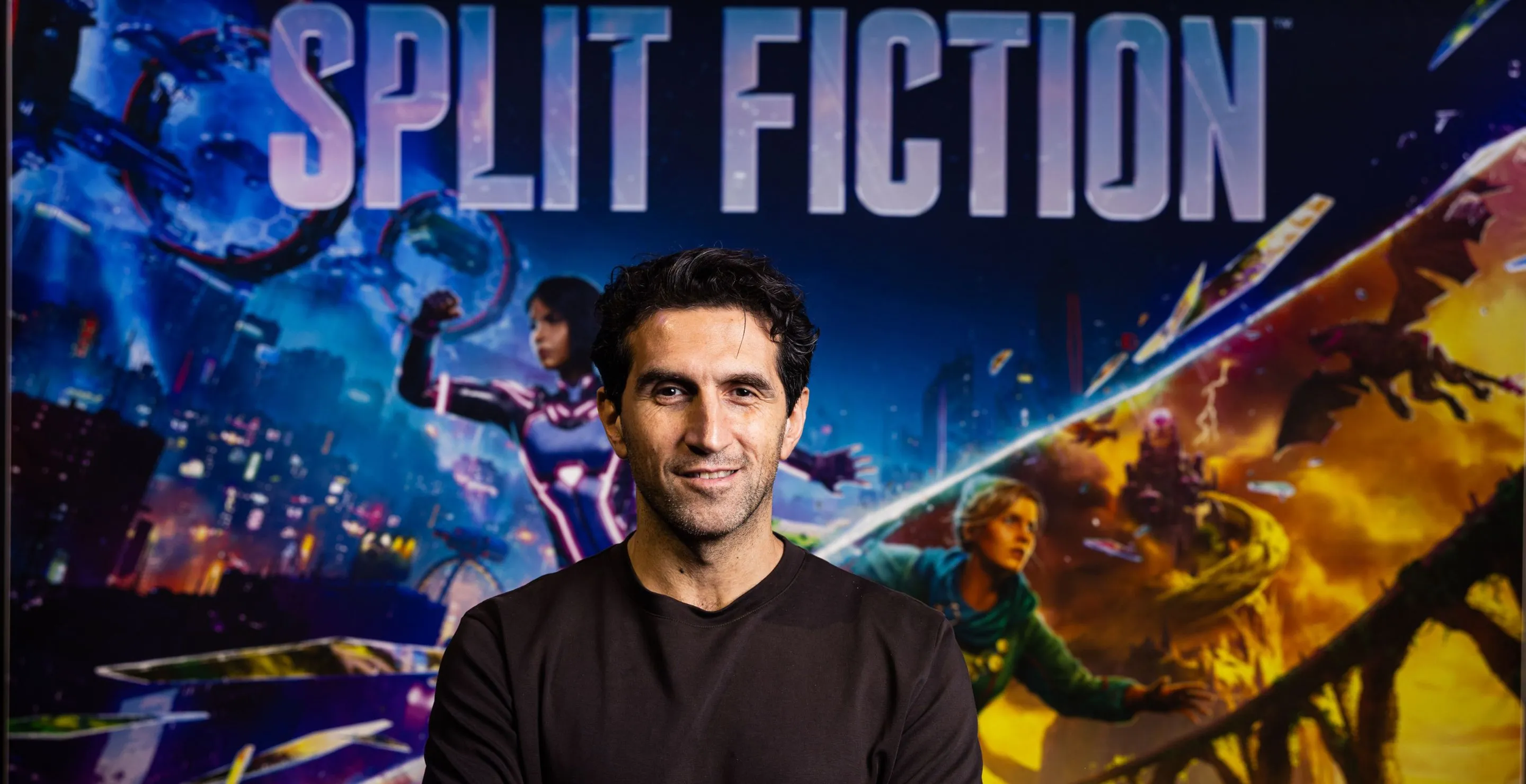
Hazelight Studios has built a premium reputation in the couch co op space by consistently shipping games that feel designed around real human chemistry rather than trend chasing. With Split Fiction landing as one of 2025’s standout releases and earning nominations across major award circuits, it would be easy for the studio to play it safe. Instead, creative director Josef Fares is already raising expectations and setting a high bar for what comes next, saying he is confident Hazelight’s next game will be better than Split Fiction.
In a recent interview, Fares explained that Hazelight’s internal culture is built around constantly lifting the quality ceiling, and he framed that mindset with striking confidence. He said he feels extremely confident in everything the team is doing and that he can easily say the next game is better than Split Fiction. That confidence is not presented as marketing noise, but as an extension of the studio’s long running identity since its early creative foundations.
Fares credits that identity to a studio culture that he has shaped since the era of Brothers A Tale of Two Sons, with Hazelight operating as a relatively lean team of around 80 developers. He emphasizes that retaining a core group for a long stretch has helped the team grow together, refine collaboration rhythms, and avoid creative drift. In the same discussion, he describes a mentality he pushes across the studio, essentially encouraging developers to take bold creative swings without losing execution discipline, which he summarizes with his signature phrase about pushing boundaries without actually breaking the project.
That creative posture also connects directly to Hazelight’s commercial track record. According to Fares, Split Fiction sold 4 million copies at launch, and Hazelight’s previous co op hit It Takes Two reached over 20 million copies sold as of March 2025. Those numbers matter because Hazelight has achieved them without relying on the common monetization playbook. Fares frames Hazelight’s approach as game first decision making, where each choice is guided by what the studio believes is best for the game, while still acknowledging that business reality matters and that leaning too far into either pure creativity or pure commerce can damage the final product.
Fares also weighed in on generative AI, drawing a line between traditional AI tools used in game development and the current wave of content generating systems. His perspective is pragmatic rather than reactionary. If a tool helps teams express a vision faster, he sees value in exploring it. But he remains skeptical of the idea that generative AI replaces the need for human vision, taste, and intent, arguing that even impressive tools still depend on creators who know what they are trying to make. He also questions whether some of the most eye catching generative tools have meaningfully raised the bar over time, suggesting the industry should be careful about assuming unlimited exponential gains.
From a player perspective, the key takeaway is that Hazelight is not signaling a sequel pitch or a safe iteration cycle. The studio is signaling escalation. If Split Fiction was already a high watermark for co op pacing, mechanical variety, and relationship driven gameplay flow, then claiming the next game is better is a statement that invites scrutiny. But it is also consistent with Hazelight’s track record of building games around a single sharp thesis, then executing with confidence.
If Hazelight announces its next game this year, what would make it feel truly better than Split Fiction for you, stronger co op mechanics, a more emotional story hook, more replay value, or a bigger leap in creativity?
