
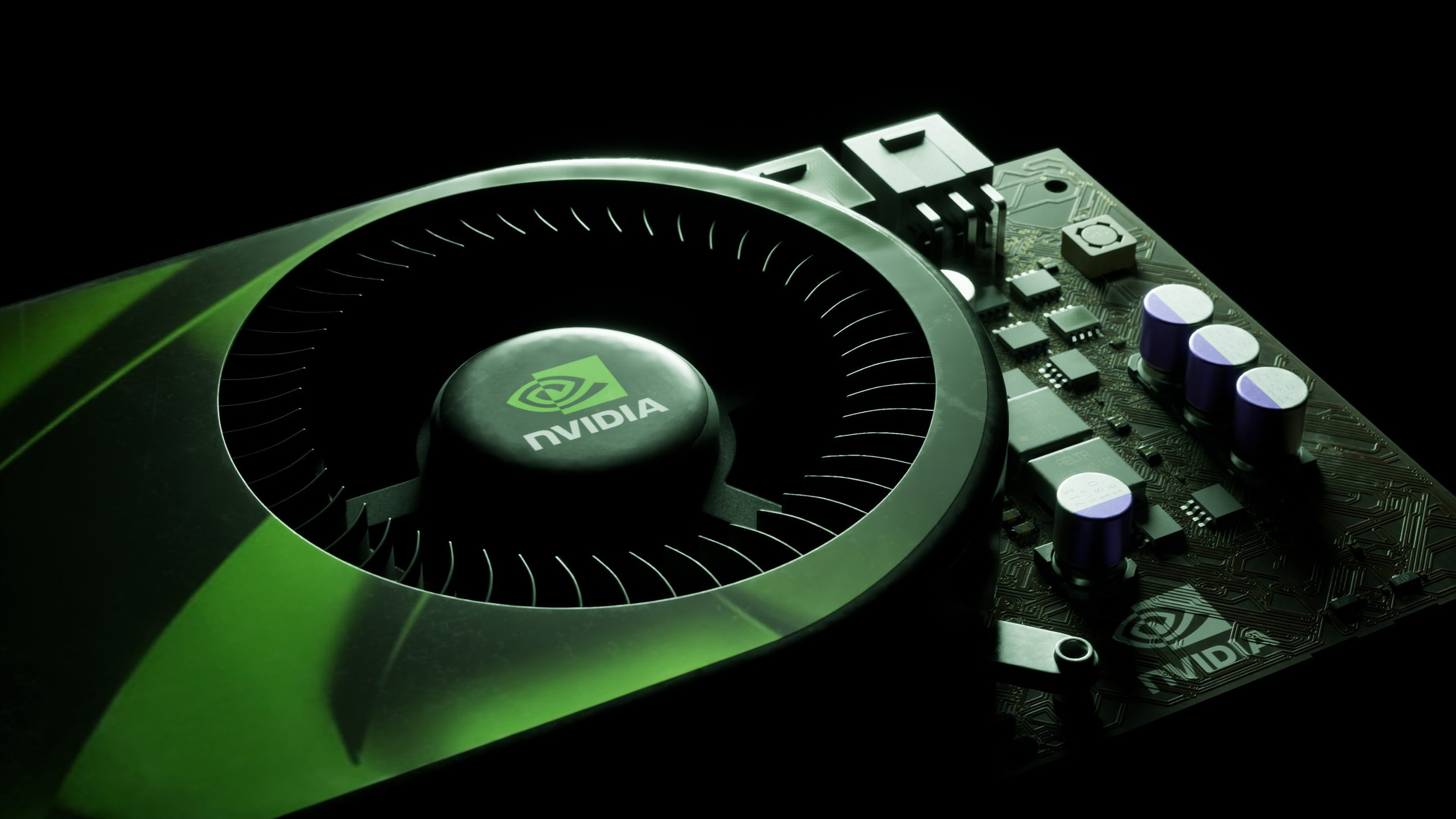
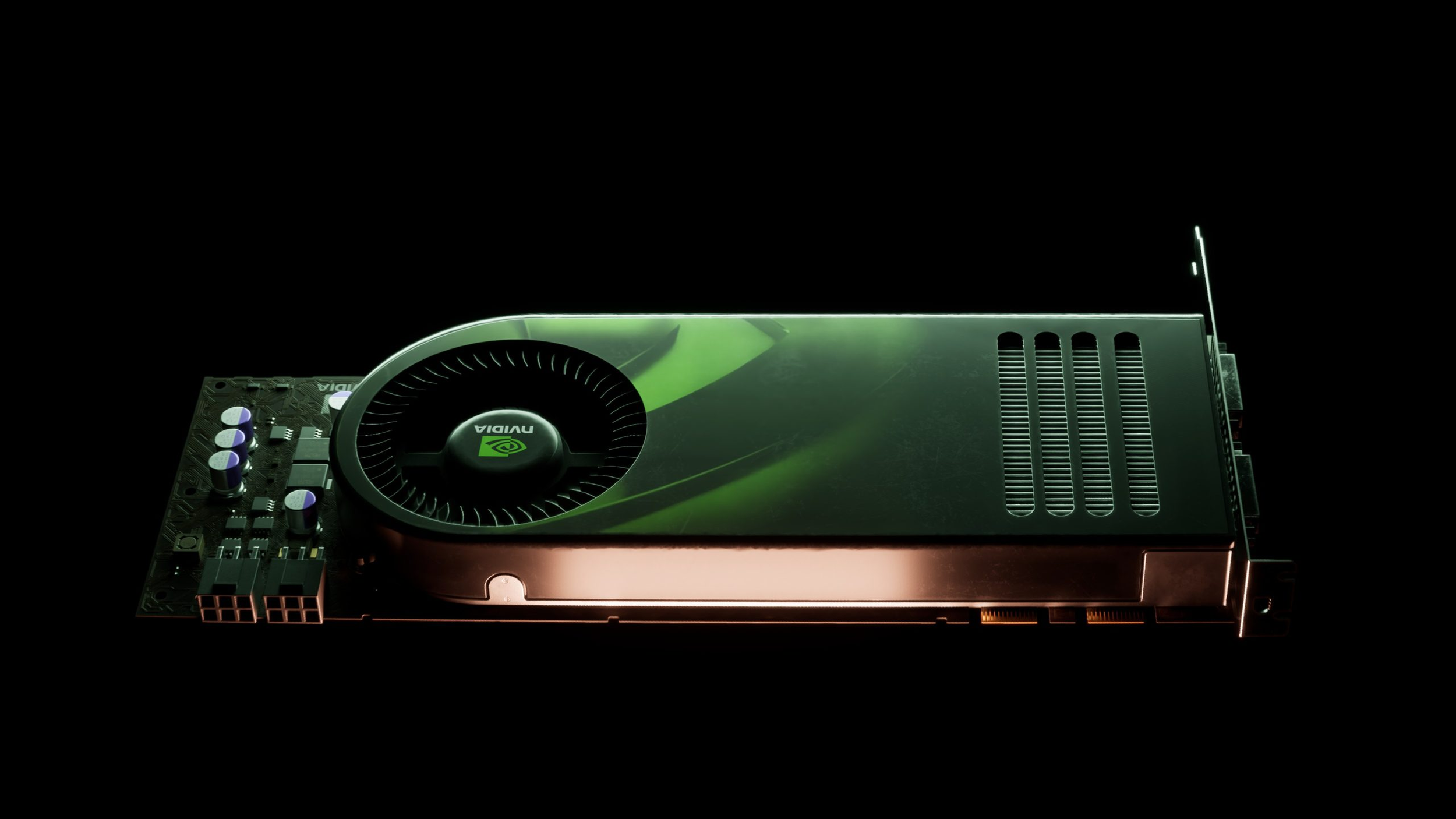
NVIDIA is celebrating the 20th anniversary of its legendary GeForce 8800 GTX, one of the most influential graphics cards in PC gaming history. Originally released on November 8, 2006, for $599, the flagship GPU introduced the G80 architecture, 128 unified stream processors, 768 MB of GDDR3 memory, and DirectX 10 support. Beyond delivering a substantial generational improvement in graphics performance, the GeForce 8800 GTX also became NVIDIA's first CUDA capable GPU, establishing the technological foundation for accelerated computing, modern GPU rendering, and eventually the artificial intelligence industry.
According to NVIDIA's official anniversary announcement, the GeForce 8800 GTX represented a fundamental architectural change from previous graphics cards. Earlier GPUs relied on separate processing hardware for vertex and pixel shaders, limiting their flexibility when handling different graphical workloads. The G80 architecture replaced this arrangement with 128 unified stream processors operating at 1.35 GHz, allowing computing resources to be dynamically allocated between vertex, pixel, geometry, and other supported operations. Manufactured using a 90 nm process and containing approximately 681 million transistors, the GPU operated at a 575 MHz core frequency and featured a 384 bit memory interface capable of delivering 86.4 GB/s bandwidth. These specifications enabled significantly more complex visual effects and improved performance in demanding games.
The GeForce 8800 GTX arrived during a period when graphics technology was advancing rapidly, becoming an enthusiast favorite for titles such as Company of Heroes, BioShock, and Crysis. Although Crysis launched in 2007, approximately 1 year after the GPU, its demanding graphics engine quickly established the GeForce 8800 GTX as one of the benchmark cards of the era. The combination of DirectX 10 compatibility, Shader Model 4.0, and improved rendering efficiency helped define a new generation of PC gaming, while NVIDIA's technology demonstrations, including Cascades and Froggy, showcased advances in environmental effects, character rendering, and visual simulation.
Perhaps the card's most important legacy was its contribution to general purpose GPU computing. As detailed in NVIDIA's original GeForce 8800 architecture technical documentation, the unified shader architecture allowed developers to utilize GPU processing resources for operations extending beyond traditional graphics workloads. NVIDIA subsequently introduced its CUDA software development platform in 2007, enabling developers to accelerate scientific simulations, data processing, video applications, and computational research. This architectural direction eventually evolved into the GPU computing ecosystem supporting modern machine learning, neural networks, and large scale AI infrastructure.
GeForce 8800 GTX vs GeForce RTX 5090 Specifications
| Metric | Q2 FY2025 | Q2 FY2026 | Change |
|---|---|---|---|
| Revenue | ¥1,113.2B | ¥1,208.5B | +8.6% |
| Operating Income | ¥120.4B | ¥220.1B | +83% |
| Adjusted OIBDA | ¥199.5B | ¥244.9B | +22.8% |
| PS5 Shipments | 4.0M | 2.6M | 35% decline |
| Hardware Revenue | ¥230.9B | ¥219.7B | 4.8% decline |
| Game Software Revenue | ¥629.3B | ¥708.5B | +12.6% |
| Full Game Software Sales | 80.3M | 88.2M | +9.8% |
| First Party Game Sales | 6.3M | 8.2M | +30.2% |
| Network Services Revenue | ¥182.7B | ¥218.3B | +19.5% |
| Monthly Active Users | 119M | 127M | +6.7% |
| Digital Download Ratio | 72% | 78% | +6 percentage points |
The comparison illustrates how dramatically graphics hardware has evolved over 20 years. The RTX 5090 offers approximately 20.7 times the memory bandwidth and 42.7 times the VRAM capacity of the GeForce 8800 GTX, alongside specialized hardware for ray tracing and neural processing. However, shader processor counts across these architectures are not directly comparable measurements of performance, as the underlying execution capabilities differ substantially.
To commemorate the anniversary, NVIDIA has collaborated with Unreal Engine artist Dylan Browne to release 20 Years of a Legend on Steam, a free interactive demonstration recreating a typical PC gaming environment from 2006. Players can explore a nostalgic gaming room, unbox a GeForce 8800 GTX, inspect the graphics card, and install it into a period appropriate computer featuring hardware such as the NVIDIA nForce 680i motherboard. The experience also includes references to historical NVIDIA graphics cards, classic technology demonstrations, Windows Vista, and other recognizable elements of the era.
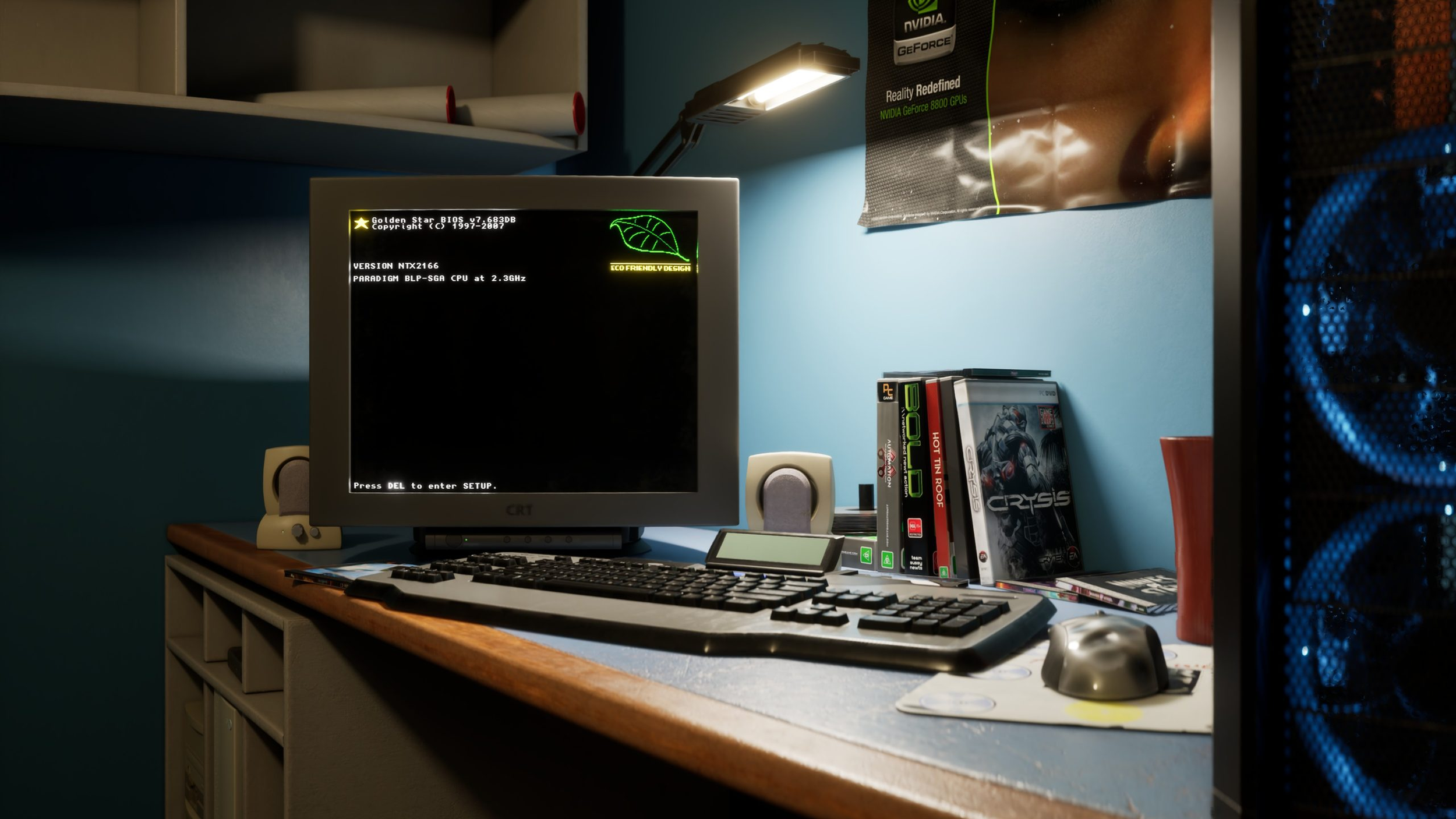
Despite celebrating a GPU from 2006, the demonstration utilizes some of NVIDIA's latest rendering technologies, including DLSS 4.5, Ray Reconstruction, Dynamic Multi Frame Generation, path tracing, and RTX Mega Geometry. These technologies create a realistic environment while highlighting the advancements made since the original GeForce 8800 GTX. The standard demonstration requires at least a GeForce RTX 4070 and 32 GB of system memory, with an RTX 5080 recommended. NVIDIA also plans to bring the experience to GeForce NOW Ultimate, allowing subscribers to explore the anniversary demonstration through cloud gaming.
The GeForce 8800 GTX remains one of the most important graphics cards ever released, not simply because of its gaming performance, but because it fundamentally changed how GPUs were designed and utilized. Its unified architecture established a foundation that continues influencing graphics processors nearly 20 years later, while CUDA transformed gaming hardware into a powerful computing platform capable of accelerating scientific research and modern artificial intelligence.
However, the anniversary also highlights how dramatically the PC hardware market has changed. The original GeForce 8800 GTX launched for $599, representing a premium investment in 2006, while the RTX 5090 debuted at $1,999 before the additional pricing pressure affecting modern graphics cards. Although today's GPUs offer substantially greater capabilities, continued GeForce graphics card price increases raise questions about accessibility and whether enthusiasts can continue benefiting from generational technological improvements.
The GeForce 8800 GTX represents an era when significant architectural innovation translated into substantial improvements for PC gamers. As NVIDIA increasingly prioritizes AI infrastructure and advanced neural rendering, maintaining affordable access to graphics hardware should remain equally important. Technological progress is most valuable when users can experience those improvements without being forced into increasingly expensive upgrades.
Did you ever own a GeForce 8800 GTX, and which game do you remember pushing it to its limits? Do you believe modern GPUs deliver the same generational excitement as graphics cards from the 2000s?
