
Noctua Explores Micro Channel Air Cooling That Could Handle Over 2,000 W
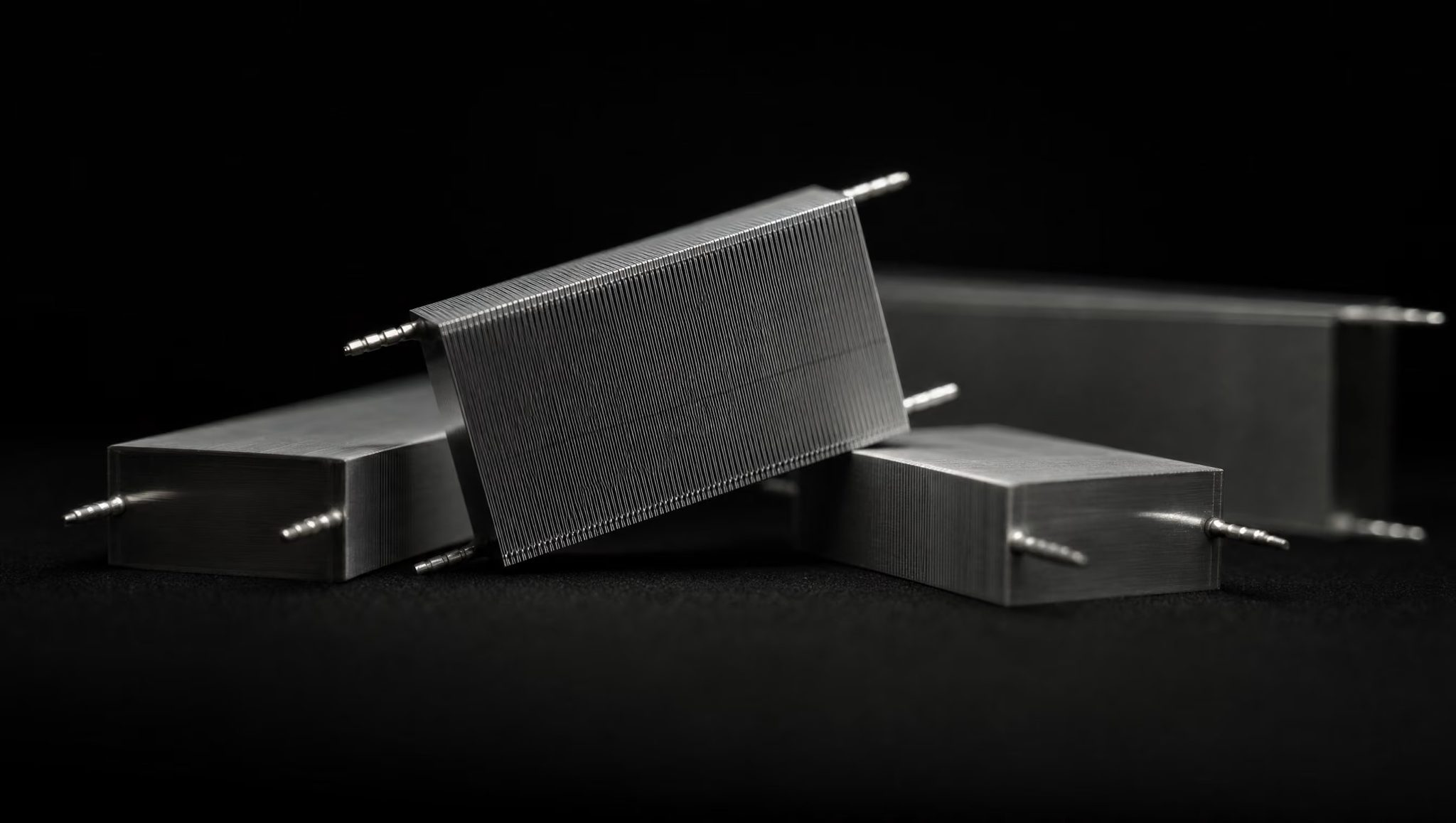
Noctua is investigating a radically different form of air cooling that could eventually give high power desktop PCs another option beyond traditional heatsinks and liquid loops. The company has entered a long term research partnership with Forced Physics DCT to adapt its JouleForce micro channel array technology for desktops and workstations. Forced Physics says the technology can dissipate more than 2,000 W under suitable operating conditions using air alone, but Noctua has not announced a 2,000 W PC cooler, prototype specification, price, or release date. The immediate challenge is making the system work quietly with hardware that can realistically fit inside a desktop computer.
JouleForce approaches air cooling differently from the large fin stacks found in conventional CPU coolers. Air is driven through densely packed micro channels designed so the thermal boundary layer that normally limits heat transfer does not fully develop. This allows heat to be removed along more of the channel surface instead of relying primarily on adding larger heatsinks and more airflow. Forced Physics says independent testing by Villanova University reproduced its thermal resistance and pressure drop results within 3% to 5%, while recording 50% lower thermal resistance and roughly one third the airflow of the reference Dell heatsink used in that evaluation.
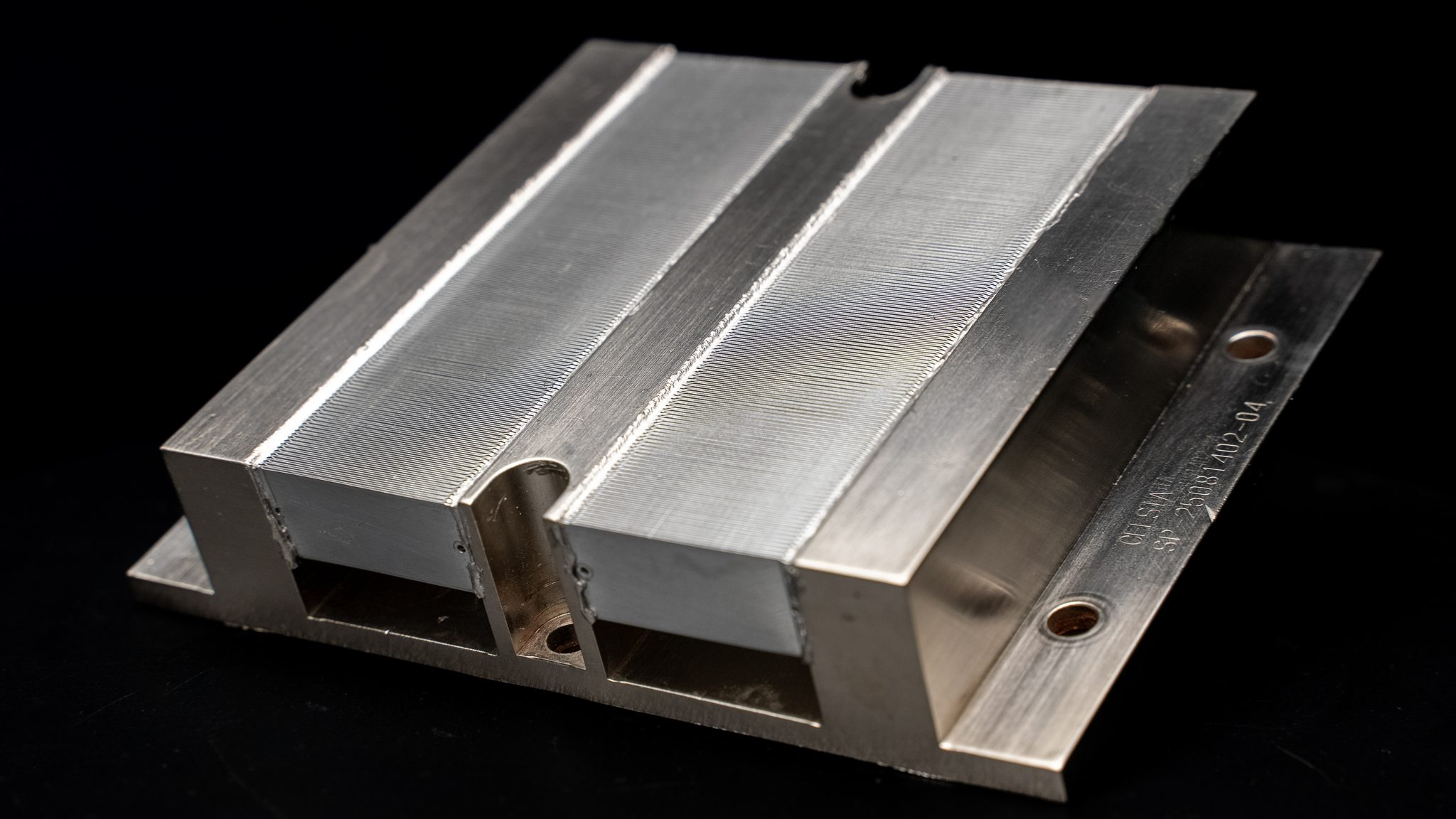
The problem is pressure. Noctua says current JouleForce implementations create a pressure drop at least an order of magnitude beyond the range handled by conventional axial PC fans. Existing systems therefore use industrial blowers, high speed centrifugal fans, or even vacuum pumps to move enough air through the micro channels. Those solutions can work in data centers and specialized systems, but their size, noise, sealing requirements, and power characteristics make them unsuitable for a normal gaming PC or workstation.
"The pressure levels this technology requires in today’s implementations are currently supplied by equipment nobody would want on or under their desk."
— Quote by: Roland Mossig.
That is where Noctua enters the project. The companies will investigate whether the required static pressure can be reduced or generated through a quieter and more compact airflow system. Noctua’s experience with fan aerodynamics, acoustics, and high pressure cooling makes it a logical partner, but both companies describe this as a demanding research project rather than an upcoming product family. Noctua specifically says the collaboration is not tied to a particular product or launch schedule.
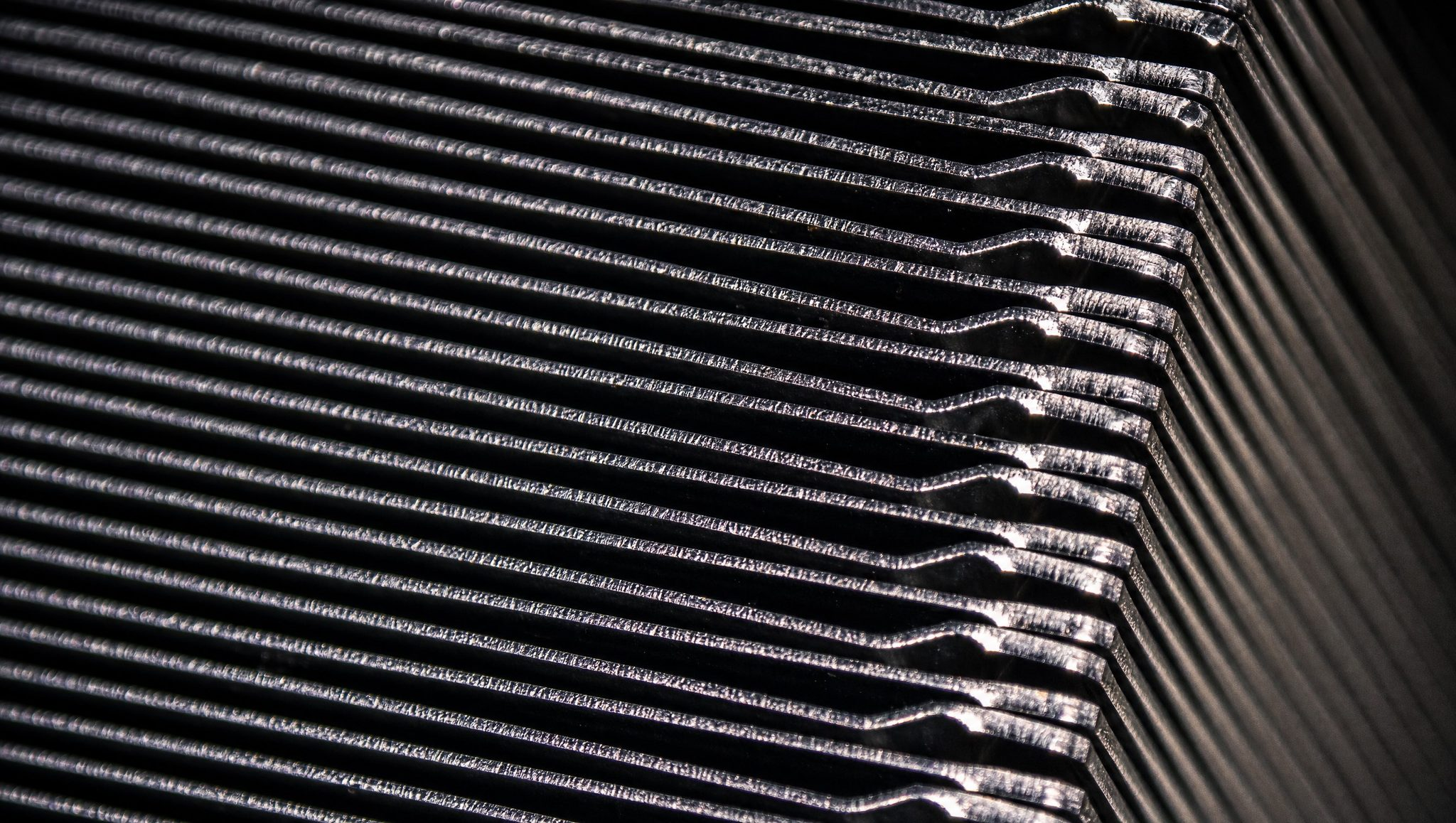
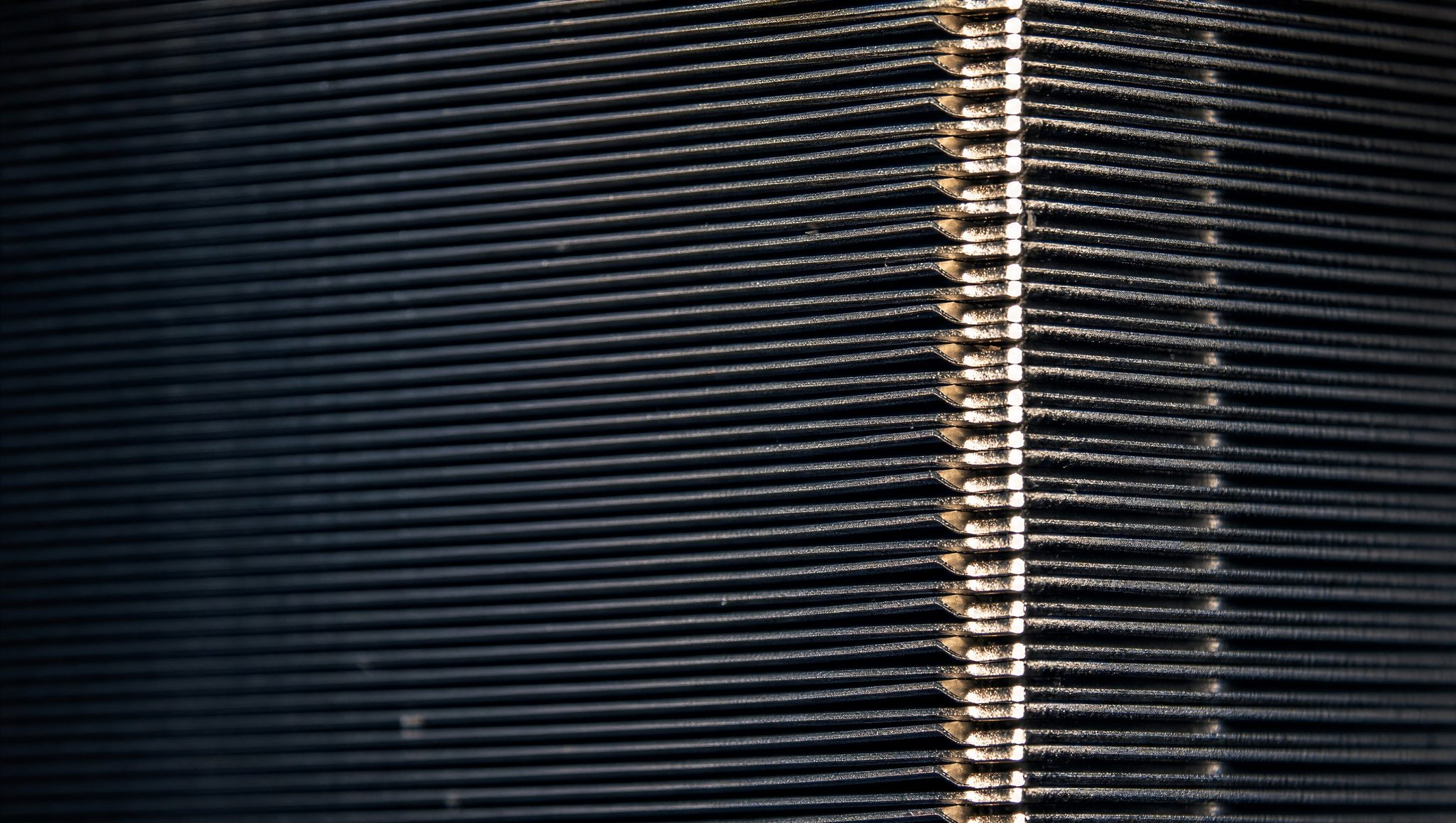
The research also arrives as Noctua expands beyond the conventional air cooling products that built its reputation. Earlier this year, the company entered the AIO market with the NL LC1 liquid cooling series, while Computex 2026 also showed Noctua experimenting with alternative thermal technologies. JouleForce adds another possible direction, targeting systems where future CPUs, GPUs, accelerators, or workstation hardware could eventually push heat density beyond what traditional desktop air coolers can manage efficiently.
The 2,000 W figure should therefore be treated as an indication of what the underlying Forced Physics technology has demonstrated, not as the thermal rating of a future Noctua CPU cooler. Bringing even a portion of that capability into a quiet desktop form factor will depend on solving the airflow resistance problem without introducing the industrial hardware the system currently requires.
The interesting part of this partnership is not the headline 2,000 W number by itself. Desktop PCs do not suddenly need a 2,000 W CPU cooler, and Noctua is not promising one. The real opportunity is whether micro channel arrays can increase the amount of heat removed by air without requiring increasingly massive towers or full liquid cooling systems.
That could become relevant as workstation processors and AI hardware continue increasing power density. If Noctua and Forced Physics can bring the pressure requirements down while keeping noise under control, the result could sit somewhere between conventional air and liquid cooling rather than simply replacing either one. For now, though, this remains research rather than a product roadmap.
Would you be interested in micro channel air cooling if it could approach liquid cooling performance without pumps or coolant, even if the first products were more expensive than conventional heatsinks?
