
Noctua Confirms LGA 1700 and 1851 Cooler Compatibility With Intel’s Upcoming LGA 1954 Socket
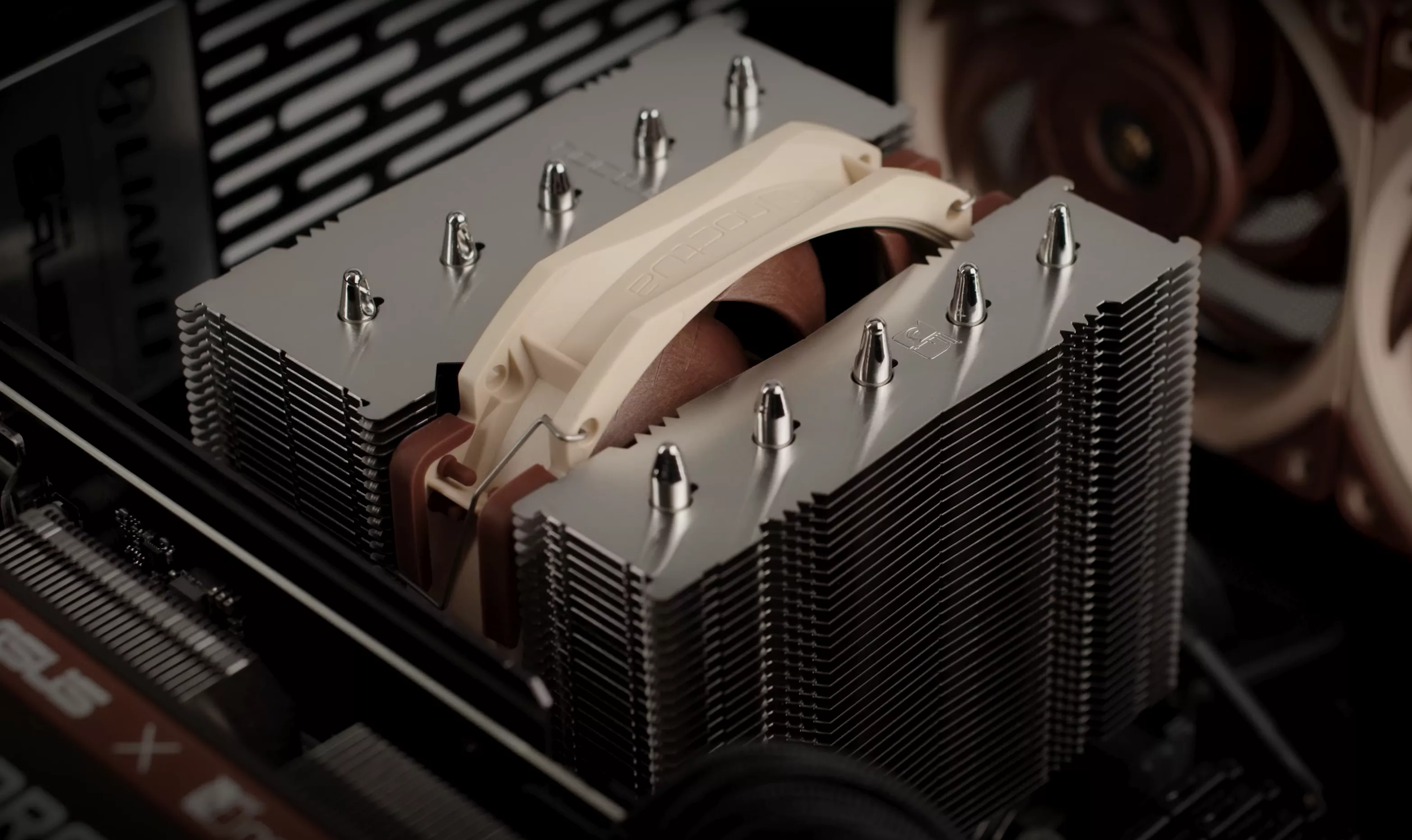
Noctua has officially confirmed that all of its existing coolers compatible with Intel’s LGA 1700 and LGA 1851 sockets will also support the upcoming LGA 1954 platform. The statement was published through an official FAQ on the company’s support page.
This confirmation provides additional evidence that Intel’s next generation Nova Lake desktop platform will not require new cooler brackets or mounting hardware. Instead, users who already own compatible Noctua coolers will be able to install them on LGA 1954 motherboards straight out of the box.
According to Noctua, the installation procedure remains exactly the same. “All Noctua CPU coolers that are compatible with LGA1851 and LGA1700 are also compatible with Intel’s upcoming LGA1954 socket. No additional mounting parts are needed. Please follow the installation steps for LGA1700 and LGA1851, as the installation process is identical.”
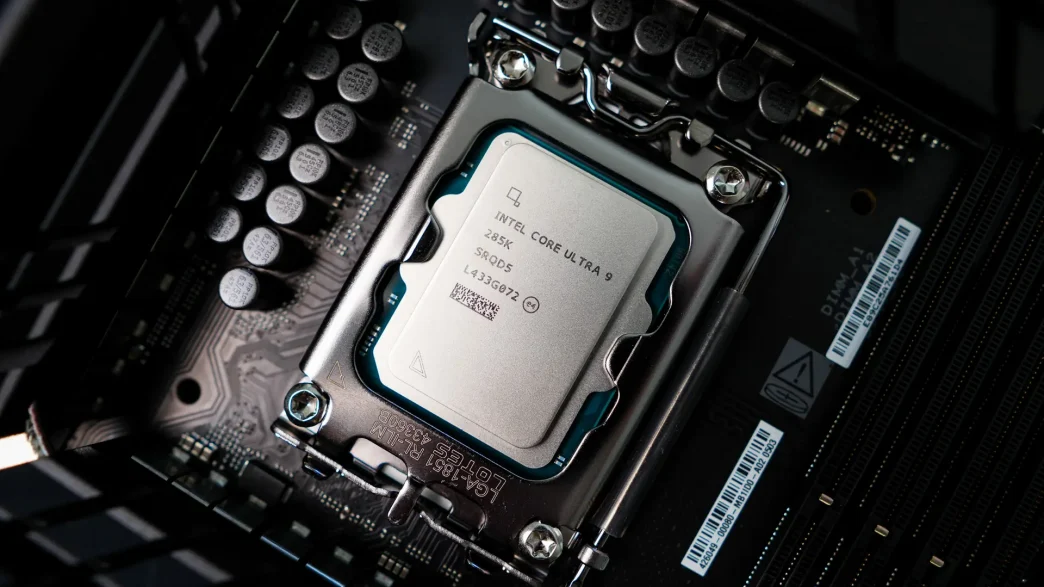
This aligns with previous leaks which showed that LGA 1954 retains the same mounting dimensions of 45 mm by 37.5 mm found on both LGA 1700 and LGA 1851. Maintaining these dimensions ensures wide cooler compatibility even though the exact heat hotspot on Nova Lake CPUs may differ slightly.
Noctua is not the only cooling manufacturer to confirm support. Last month, Thermaltake revealed that its MineCube 360 Ultra ARGB AIO cooler will support LGA 1954. The compatibility appeared directly on the product’s specification sheet, and it is expected that any modern LGA 1851 compatible cooler from major manufacturers should also work with the new platform.
LGA 1954 is part of Intel’s upcoming Nova Lake generation, expected to launch next year across both desktop and mobile. Nova Lake will introduce several significant architectural updates and is anticipated to deliver Intel’s first direct competitors to AMD’s X3D lineup. Some Nova Lake desktop processors are expected to feature bLLC technology, which will provide substantial improvements in gaming performance and cache latency efficiency.
For PC builders and hardware enthusiasts, native cooler compatibility is a welcome development. It allows users to reuse existing high end cooling solutions without additional cost and simplifies the upgrade cycle as Intel transitions to a major new architectural generation.
Are you planning to upgrade to Nova Lake next year, or will you wait to see how Intel’s bLLC powered CPUs perform against AMD’s next generation offerings
