
No One Can Escape Memory Shortages Says Samsung Co CEO TM Roh as Price Pressure Spreads From Phones to TVs and Appliances
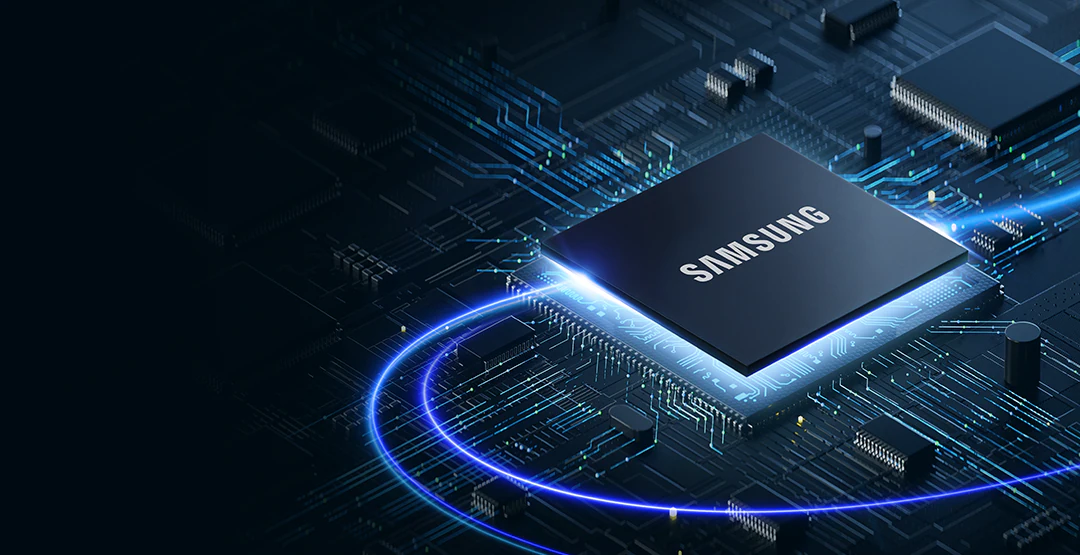
Memory shortages are no longer a niche supply chain headache limited to servers and flagship smartphones. They are now a boardroom level constraint that is starting to reshape pricing, production planning, and product roadmaps across the entire consumer electronics stack. Samsung co CEO TM Roh has now put that reality into plain language, warning that the current surge in memory chip prices is an unprecedented situation where no company is immune, and that the impact stretches beyond mobile phones into TVs and home appliances, even as Samsung expects its semiconductor division to benefit from the environment.
In comments reported by Reuters, Roh said the crisis is affecting multiple categories of consumer electronics and did not rule out price increases, noting that some impact is inevitable as memory costs rise. At the same time, he indicated Samsung is working with partners on longer term strategies intended to minimize the overall hit to consumers and product availability.
For the broader market, this is a clear signal that the memory supercycle is moving from component level volatility to finished product pricing decisions. When memory becomes the bottleneck, brands are forced into a difficult balancing act: either accept margin compression to keep shelf prices stable, or pass costs forward and risk demand softening. Roh’s framing suggests Samsung is preparing for the second path as a contingency, while trying to engineer the first path through partner coordination and longer term planning.
The gamer impact is easy to map. Memory pricing pressure does not just land on smartphones. It can cascade into gaming laptops, handheld PCs, prebuilt desktops, and even display ecosystems that players use daily. When DRAM costs rise, bill of materials pressure shows up everywhere, from mainstream rigs to premium enthusiast builds, especially as 2026 product cycles lean harder into AI assisted features, higher resolution assets, and heavier multitasking workloads that reward more memory headroom. In practical terms, gamers should expect vendors to lean into tighter SKU segmentation, more aggressive upsell to higher margin configurations, and potentially fewer value sweet spots in the midrange if memory supply remains constrained.
Roh’s comments also reinforce the current market structure. Memory suppliers have stronger pricing power when demand exceeds supply, and the semiconductor divisions that sell memory can benefit even while the consumer electronics side faces cost stress. That internal push and pull explains why the industry is signaling caution around long term supply commitments, while still acknowledging that shortages are likely to remain a multi year theme.
If this trajectory holds, 2026 becomes less about a single quarter spike and more about sustained operational adaptation. For consumers, that means preparing for volatility, watching for short lived promotions, and prioritizing purchases when pricing aligns with real value rather than waiting for a return to the old normal.
Are you already changing your upgrade strategy for 2026, buying memory and PCs earlier to avoid price spikes, or waiting it out and hoping supply catches up?
