
MSI GeForce RTX 5090 Lightning Revealed With Next Generation AIO Cooler, Full Surface LCD, and 1600W Class PCB Co Developed With NVIDIA
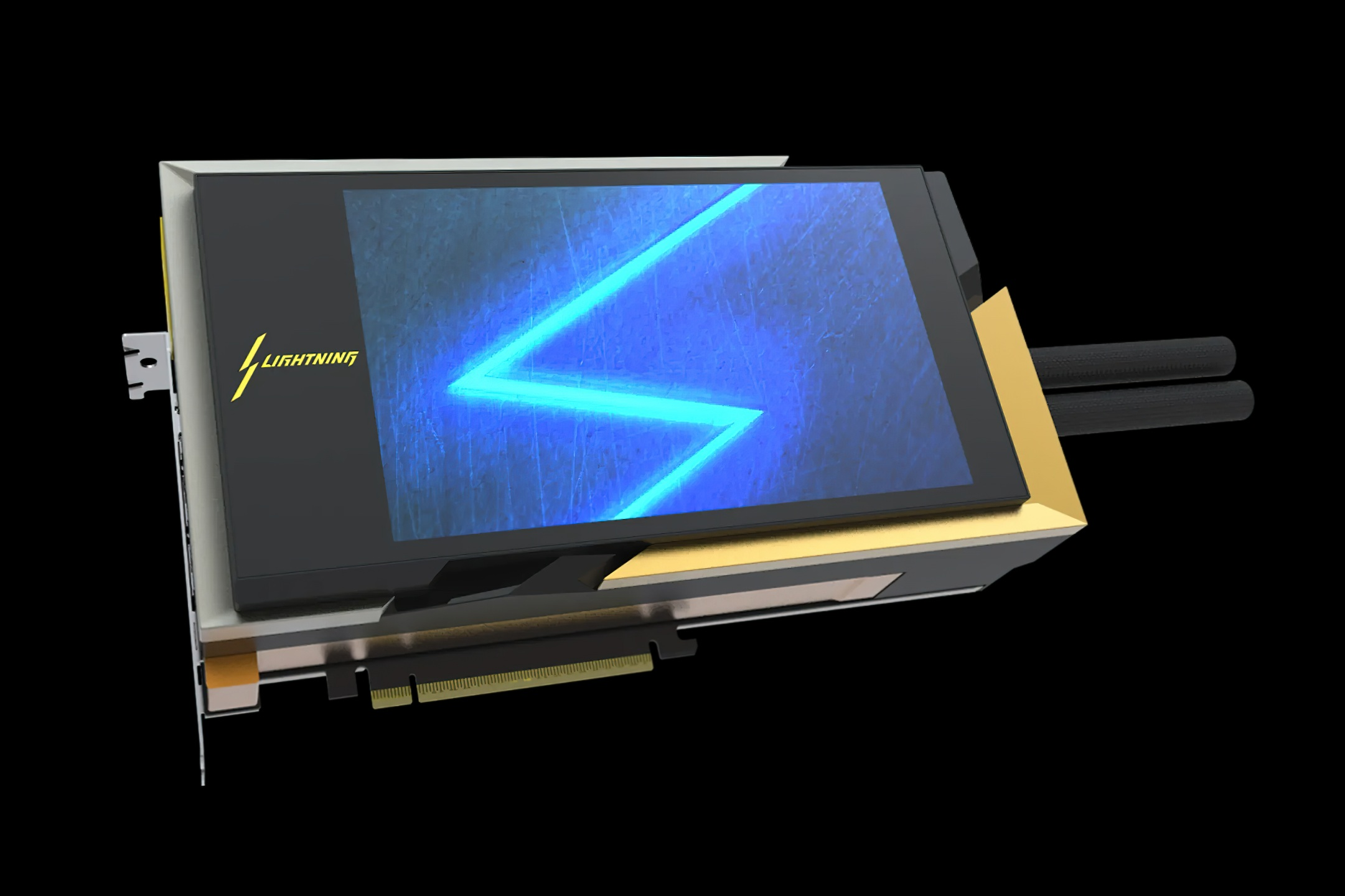
MSI has officially pulled the curtain back on the retail cooler design for its GeForce RTX 5090 Lightning, and it is already shaping up as one of the most talked about enthusiast GPUs at CES 2026. After early PCB sightings and extreme overclocking runs that pushed the RTX 5090 Lightning to a reported 3.75 GHz peak frequency, MSI is now showcasing the final card design publicly, including its next generation liquid cooling architecture and a display focused shroud built to match the Lightning series identity.
I heard that there will be a thunderstorm tomorrow... 😏
— MSI Gaming (@msigaming) January 5, 2026
Stay tuned⚡#MSIxCES2026 pic.twitter.com/qU2meUD6kR
A key point of context is that the earlier Lightning Z OCER boards shipped to overclockers used a non retail heatsink that was not intended to represent the final thermals or the final mechanical package. The retail direction is now clear: MSI is targeting sustained ultra high power operation with a compact AIO based design, rather than leaning on a purely air cooled approach. According to the CES 2026 Innovation Awards listing, MSI is positioning the RTX 5090 Lightning as a flagship class GPU co developed with NVIDIA, emphasizing stability at extreme power and clock speeds and a reinforced high power PCB built to accommodate that ambition.
The cooler design centers on an AIO block integrated into the shroud, paired with what MSI describes as full contact cold plate coverage that spans the GPU, memory, and the high power stages. MSI also highlights a next generation pump designed to optimize flow dynamics and feed a hybrid density radiator with zoned fin spacing to improve heat exchange. To support radiator performance under real world fan curves, the setup also includes a high pressure axial fan with new blade aerodynamics intended to increase static pressure while keeping noise in check.
Visually, MSI is going all in on personalization and system telemetry. The shroud houses what MSI calls the world’s first full surface display, effectively turning the card into a configurable dashboard for monitoring, branding, and custom visuals. For builders chasing a showpiece rig, this is the kind of hardware feature that plays perfectly with glass case builds, RGB ecosystems, and creator setups where the GPU is always in view.
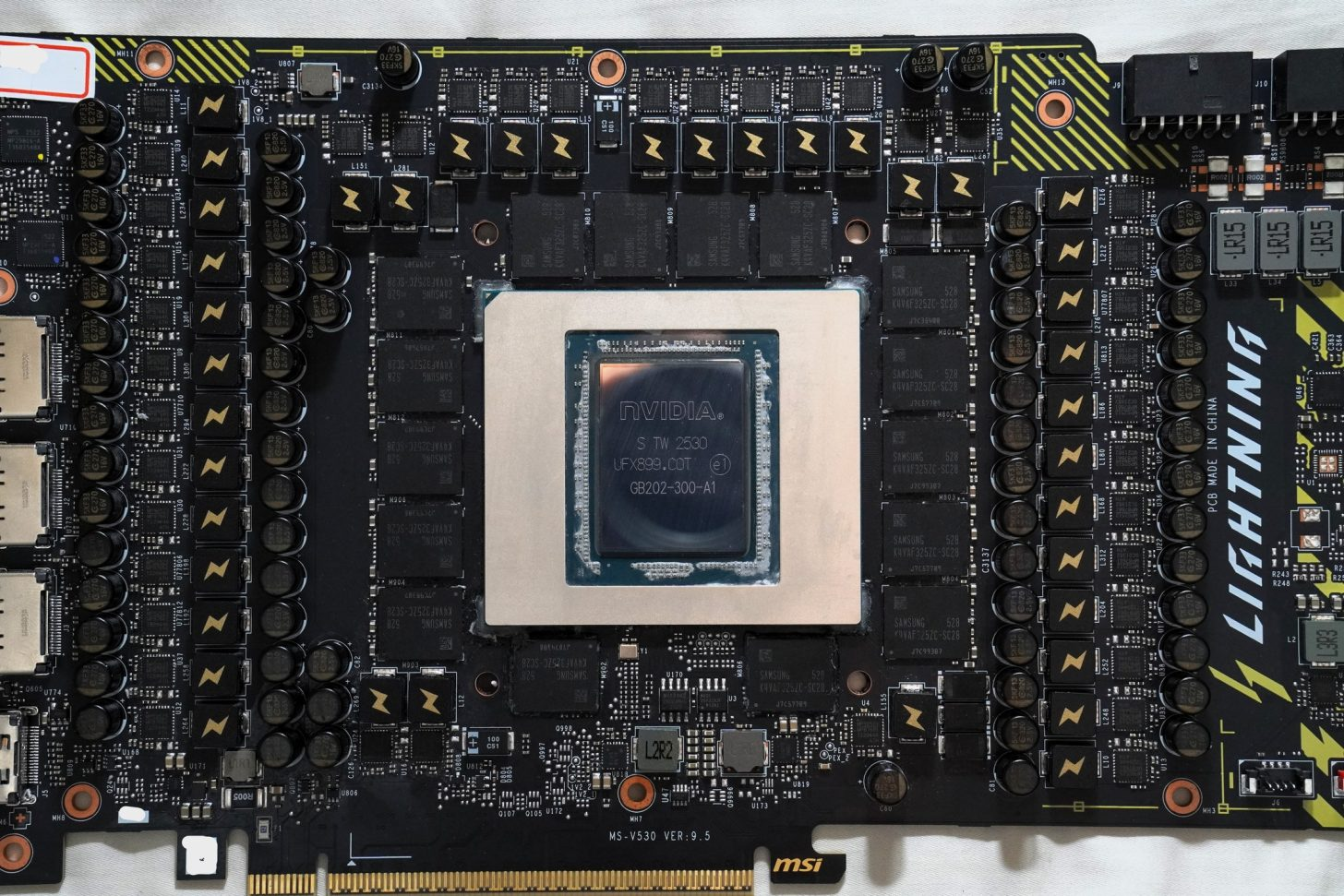
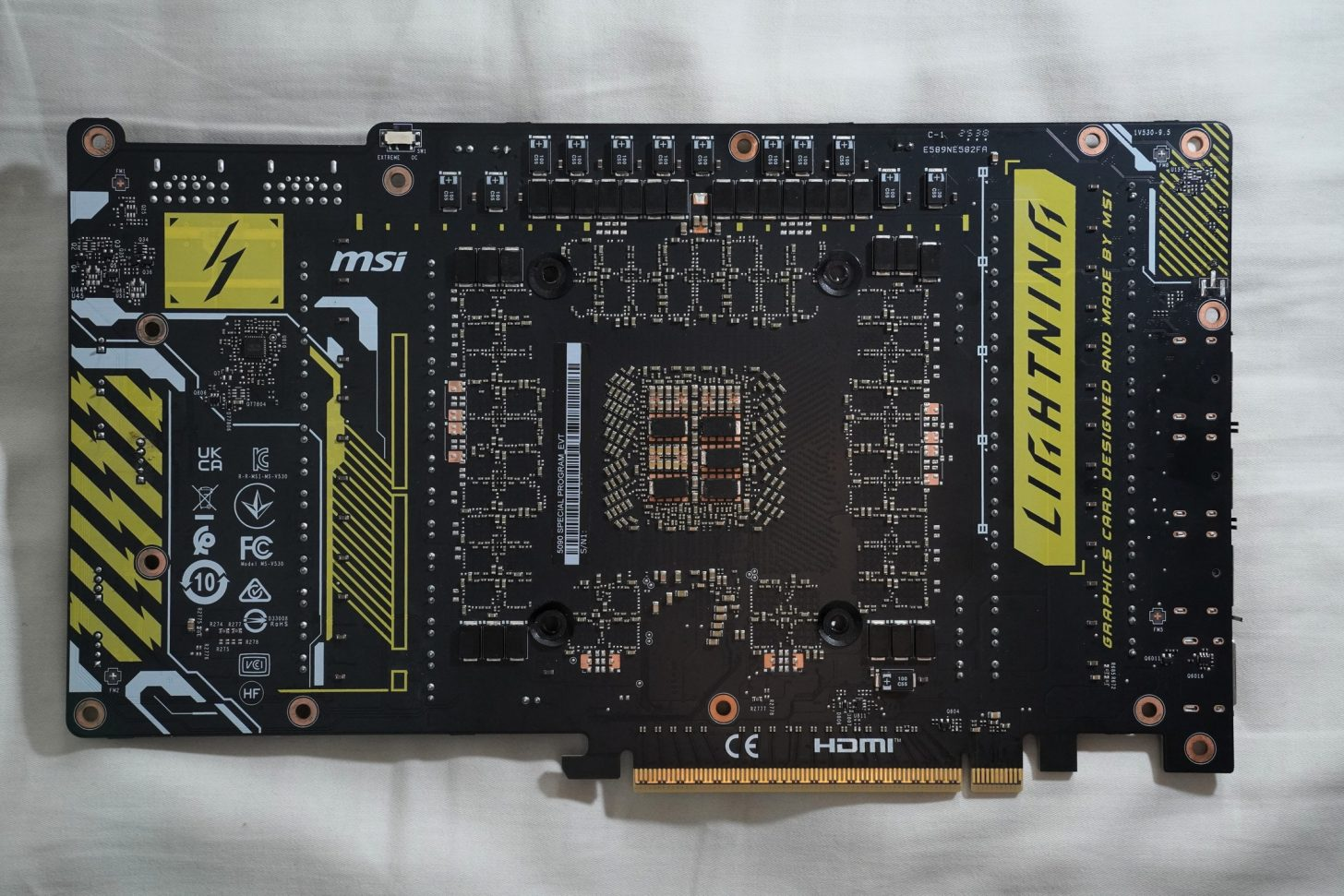
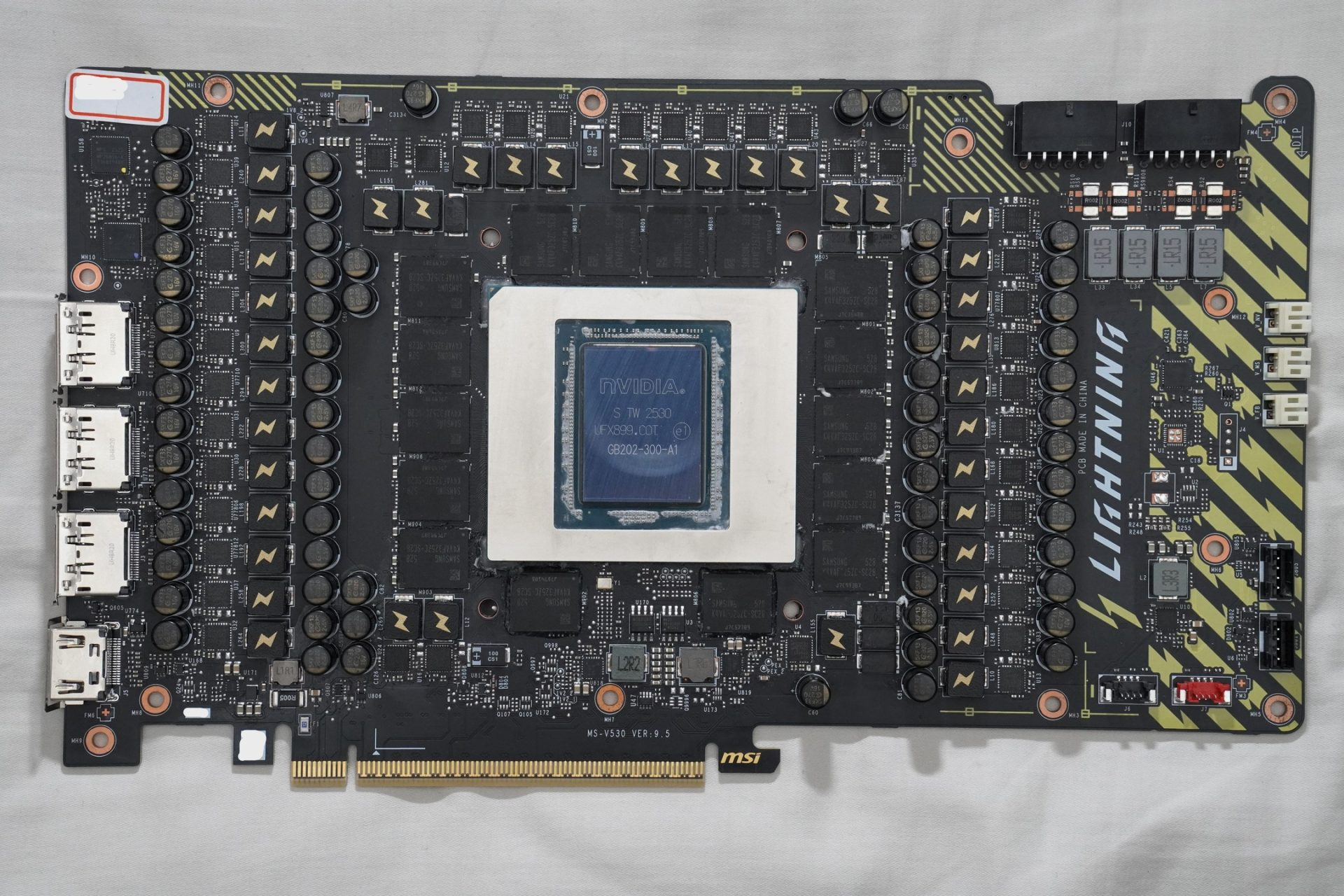
The bigger story, though, is power delivery. MSI is signaling a dual 16 pin connector layout and a board design rated for up to 1600W, with an XOC BIOS mode referenced at up to 2500W. The CES listing also calls out a premium VRM implementation, and the broader enthusiast chatter around the Lightning suggests a 40 phase class VRM design intended to create meaningful headroom for extreme overclocking and high load compute behavior. In practical terms, this is MSI building a halo product that can operate far beyond typical RTX 5090 class expectations, aimed at the small but influential segment of users who chase records, validate platform limits, and influence community perception of what a GPU generation can really do when constraints are removed.
MSI is expected to share more concrete specifications and positioning at CES 2026, but even with what is already public, the RTX 5090 Lightning is clearly designed as a flagship for gamers who want maximum frame rate headroom, as well as for creators and power users pushing heavy workloads where sustained clocks and thermal stability matter as much as peak boosts.
Would you rather see an RTX 5090 flagship prioritize safer sustained performance at lower power, or do you want maximum unlockable headroom even if it demands extreme cooling and serious power infrastructure?
