
Nintendo Takes Tariff Fight to Court as Switch 2 Pressure Builds
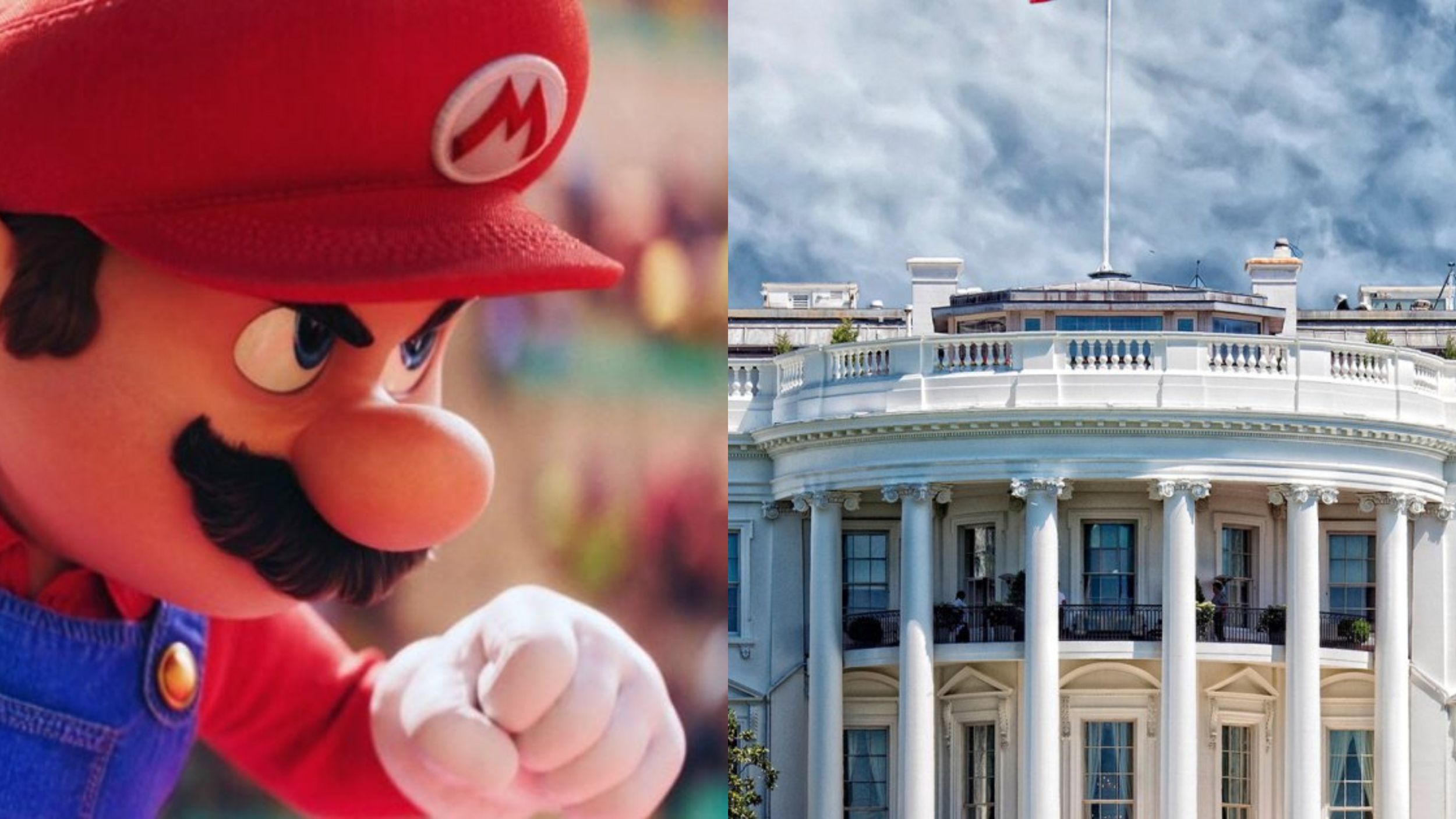
Nintendo has formally escalated its tariff dispute with Washington by filing a lawsuit in the U.S. Court of International Trade, arguing that duties collected under executive orders tied to the International Emergency Economic Powers Act were unlawful. The complaint, first highlighted by Aftermath, shows Nintendo of America seeking refunds for tariffs it already paid, plus interest, rather than simply protesting future trade policy.
According to the filed complaint, Nintendo names the U.S. Department of the Treasury, Scott Bessent, the U.S. Department of Homeland Security, Kristi Noem, the Office of the United States Trade Representative, Jamieson Greer, U.S. Customs and Border Protection, Rodney Scott, the United States, the U.S. Department of Commerce, and Howard Lutnick as defendants. The filing states that Nintendo was the importer of record for goods hit by the challenged duties and therefore directly paid those tariffs, which it says caused concrete financial harm.
The legal backbone of Nintendo’s case is straightforward. In the complaint, the company argues that the IEEPA did not authorize the tariff regime at issue and notes that courts had already ruled the president’s power to regulate importation did not extend to imposing tariffs in this way. Nintendo also points to the fact that the challenged tariff actions were terminated on February 24, 2026, without settling the refund question, which is now central to the company’s case.
That matters far beyond one balance sheet. For the games business, tariffs have been a strategic pressure point ever since Nintendo’s Switch 2 rollout collided with trade uncertainty in April 2025. Nintendo later confirmed that U.S. retail pre orders would begin on April 24, 2025, with the system price held at 449.99$, while several accessories moved upward because of changing market conditions. That sequence made clear that tariff exposure was not abstract policy noise. It was already shaping launch planning, pricing optics, and consumer messaging for one of the industry’s most important hardware cycles.
The wider significance is easy to read from a market perspective. Nintendo is not suing over ideology. It is suing over recoverable costs, supply chain friction, and the commercial burden attached to hardware imported into the U.S. If the company succeeds, the case could strengthen the playbook for other manufacturers that absorbed similar tariff costs across gaming, consumer electronics, and accessory categories. Several reports published after the filing frame Nintendo’s move as part of a broader wave of refund focused challenges now that the legality of those tariff actions has already been seriously undermined in court.
For players and industry watchers, the most practical takeaway is this: the lawsuit does not instantly lower console prices, but it does show Nintendo actively trying to claw back trade related costs that have hovered over its hardware business since 2025. In a market where every 5$ to 10$ accessory increase becomes a social media flashpoint and every launch window is scrutinized like a live service roadmap, that is not a minor side story. It is part of the core business battle around how platform holders protect margins without crushing momentum.
Do you think Nintendo’s lawsuit could open the door for Sony, Microsoft, and other hardware makers to push for similar tariff refunds?
