
New US AI Chip Export Rules Could Tie Global Shipments to Compute Power
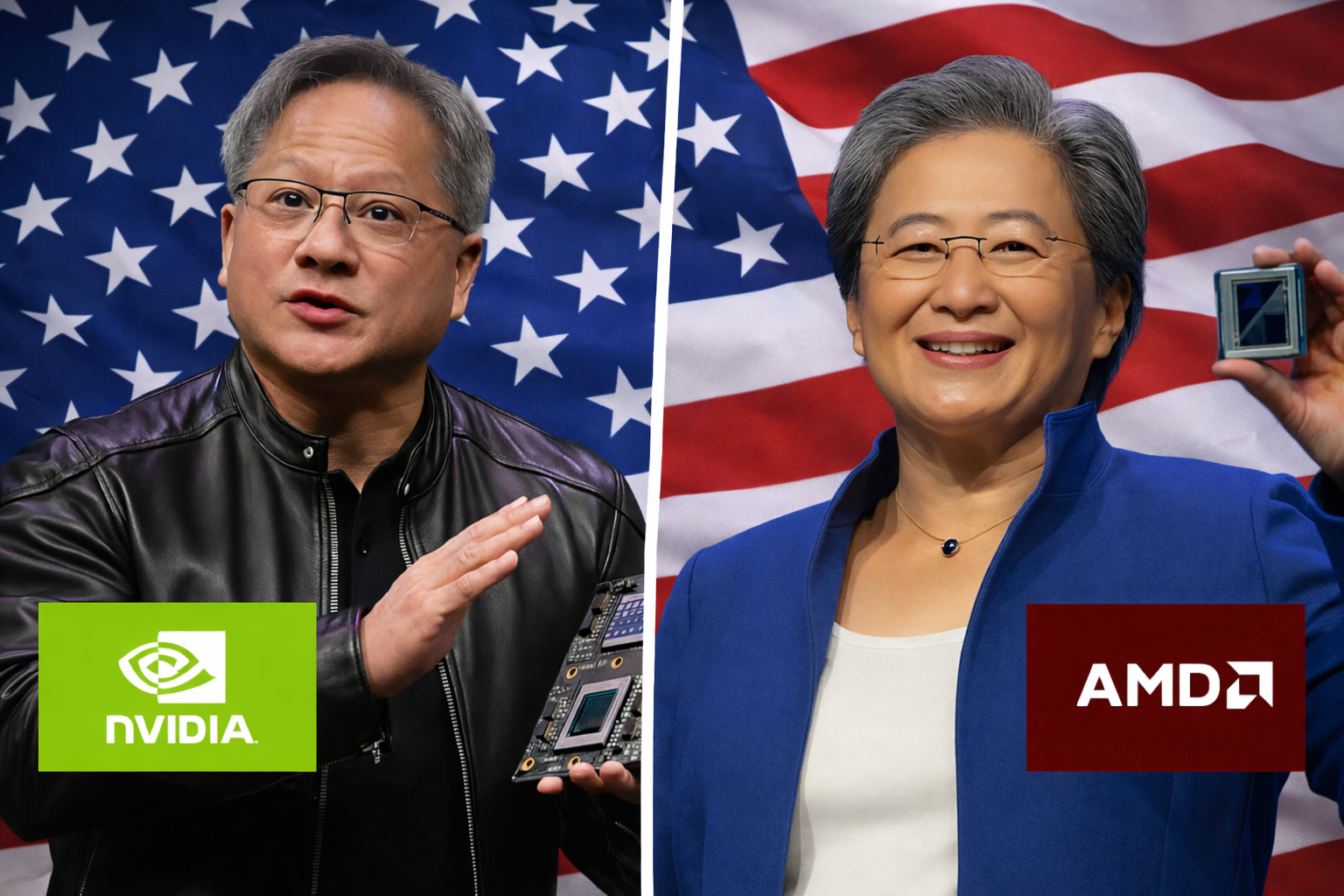
The United States is reportedly preparing a new framework for AI chip exports that would shift the focus away from broad country tiering and toward the amount of computing power being shipped abroad. According to a recent Bloomberg report, the draft approach would give Washington sweeping authority over global sales of advanced AI hardware from companies such as NVIDIA and AMD, with export license requirements potentially applying far more broadly than before. The key difference is that regulatory scrutiny would reportedly scale based on the compute capacity of each shipment, making raw performance and deployment size central to how exports are reviewed.
That would mark a meaningful change from the Biden era AI Diffusion rule, which had organized export controls around country groupings and was heavily criticized by NVIDIA. NVIDIA publicly called that earlier framework a misguided rule that threatened worldwide innovation, while the US Department of Commerce formally rescinded the AI Diffusion rule in May 2025 and said a replacement would follow. NVIDIA also disclosed in its latest annual filing that the scope and timing of any replacement rule remained uncertain, which means the company has already been warning investors that a new export regime could still disrupt products and operations.
What makes the reported new proposal more aggressive is its potential global reach. Bloomberg says the draft rules would not just target traditionally restricted destinations, but could require export licenses for AI hardware shipped to any country, including allies, with no blanket exemptions currently planned. The report also says smaller shipments could go through a relatively simpler review process, while larger deployments would trigger deeper government to government negotiations involving security assurances and investment expectations tied to American AI infrastructure. If implemented in that form, the system would place a much larger share of the world’s AI buildout behind a licensing and review structure controlled directly by Washington.
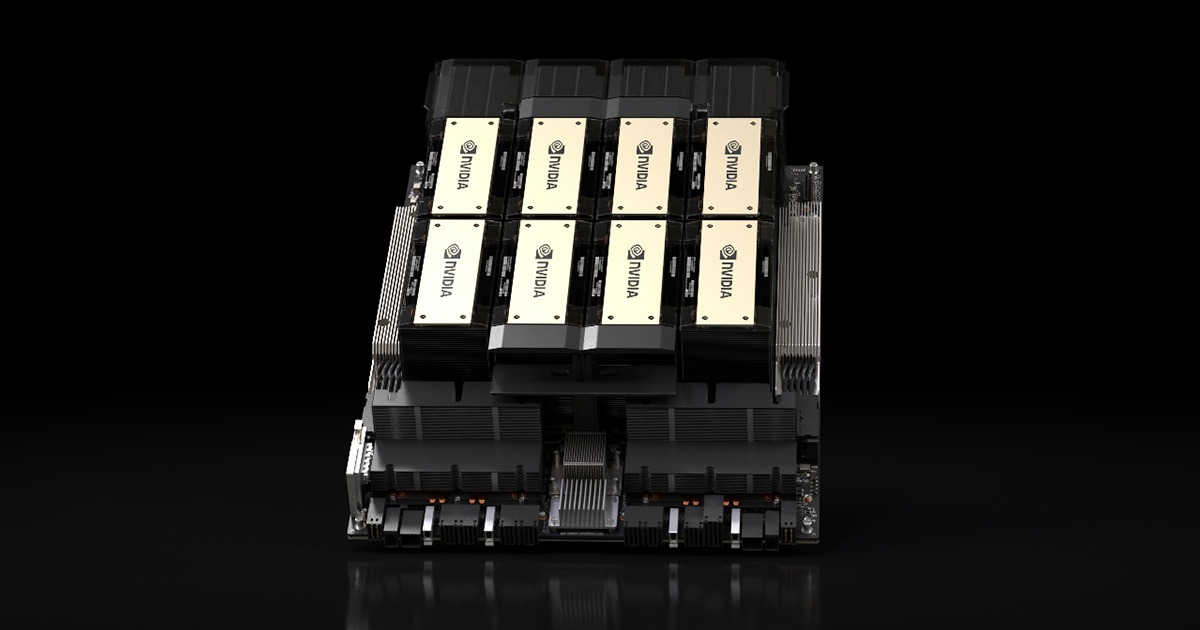
For NVIDIA and AMD, the practical issue is not only compliance but planning. Modern AI infrastructure is built around long lead times, supply chain coordination, customer allocation, and packaging capacity, so a regime that evaluates exports based on compute thresholds could introduce friction at exactly the point where hyperscalers and sovereign AI buyers are trying to scale quickly. NVIDIA’s own filings already note that export controls can affect data center products such as H200, GB200, and GB300 class systems, and that future rules may add new license requirements or operational limits. In other words, the industry is not just worried about bans. It is worried about uncertainty, delays, and the growing administrative cost of moving compute across borders.
At this stage, the reported regulations are still in draft form, and there is no confirmed implementation date. That distinction matters. Bloomberg is reporting on planned rules, not a final published framework, so important details could still change before any formal rollout. Still, the direction is clear enough to matter now: the US appears to be moving toward a model where exported AI capability itself becomes the control point. If that happens, the next phase of the AI race may depend not just on who can build the most compute, but on who can get permission to ship it.
Do you think regulating AI chip exports by compute power is the right move for national security, or will it slow global AI infrastructure more than it protects US leadership?
