
New Report Details Obsidian’s Reinvention Plan After Avowed and The Outer Worlds 2 Underperform in 2025
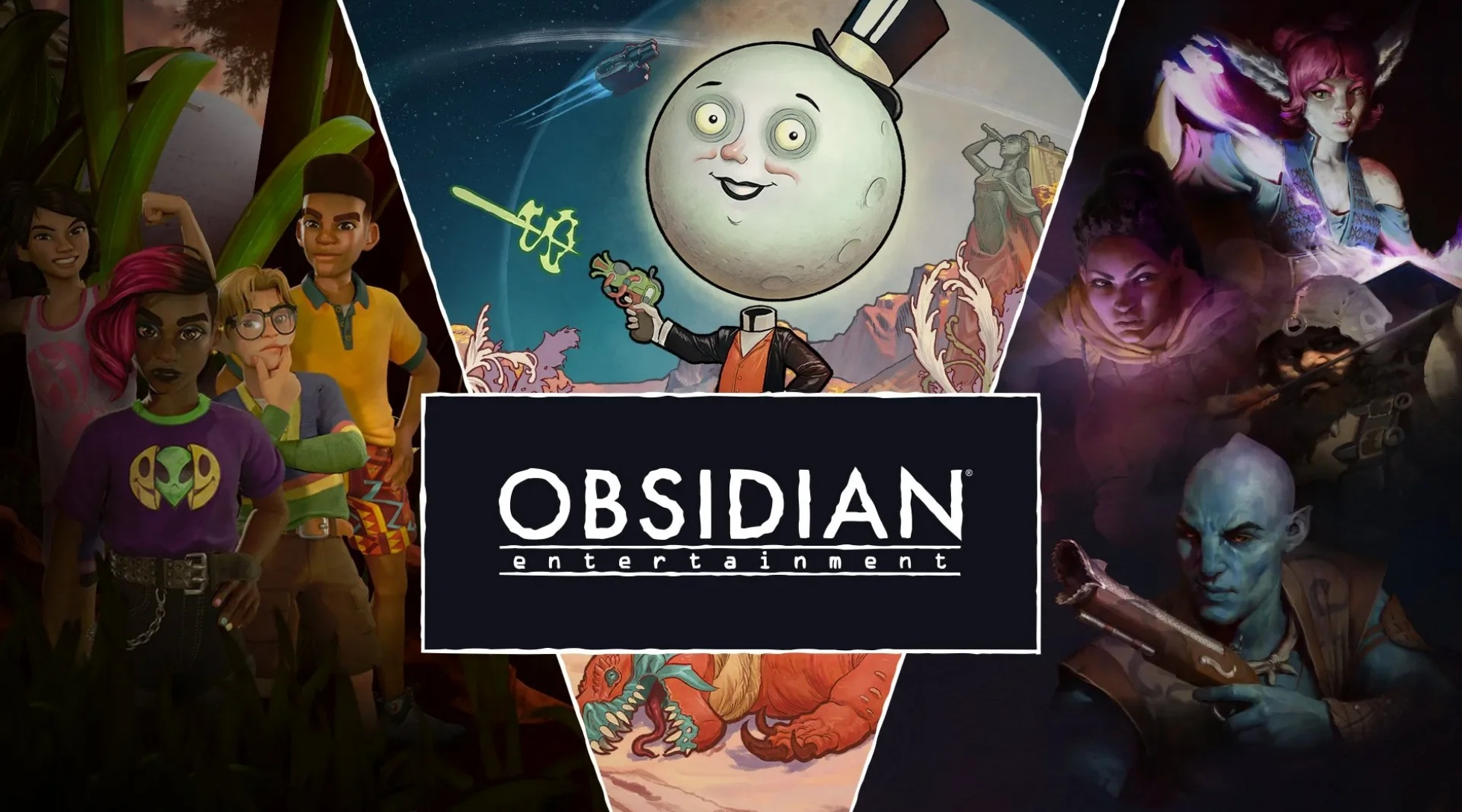
Obsidian Entertainment shipped an unusually packed slate in 2025, launching Avowed in 02 2025, releasing Grounded 2 into early access in 07 2025, and closing the year with The Outer Worlds 2 in 10 2025. According to a new report from Bloomberg, that output volume masked a tougher commercial reality. Two of those releases did not meet sales expectations, and the studio is now actively reshaping how it builds games to reduce risk, accelerate delivery, and keep its creative identity intact.
Per the report, Obsidian studio head Feargus Urquhart acknowledges that Avowed and The Outer Worlds 2 missed the mark commercially, but he is careful to frame them as learning moments rather than existential failures. The internal posture is less about panic and more about operational discipline, with leadership asking what went wrong and how to ensure future projects land with better timing, stronger focus, and healthier development cycles.
A major theme is development time. Bloomberg’s report highlights how Avowed and The Outer Worlds 2 both took more than half a decade to ship, with Avowed in particular enduring a long and complex evolution. When initially pitched to Microsoft, Avowed reportedly aimed to be far larger and more ambitious, described as a mix of The Elder Scrolls V Skyrim and Destiny 2. Obsidian design director Josh Sawyer’s blunt assessment captures the reality check that followed, stating that no team could realistically execute that scope as envisioned. By the time the team removed multiplayer ambitions and changed leadership direction, the project had already spent 3 years in development, ultimately taking 7 years total to reach release.
The Outer Worlds 2 faced similar structural gravity. Bloomberg cites game director Brandon Adler saying that few developers actually like 5, 6, or 7 year cycles, and that the industry has gradually drifted into them. That quote matters because it frames the studio’s next steps as a deliberate break from the modern AAA default, where long cycles inflate budgets, harden design decisions too late, and make it harder to adapt when market conditions shift.
By contrast, Grounded 2 came together faster, and Bloomberg attributes part of that speed to support from Eidos Montreal. Obsidian leadership suggests that external collaboration helped decision making move faster, because the team had to commit, communicate, and ship with clearer accountability. Obsidian co founder Chris Parker describes a specific call that would have dragged on longer internally, deciding to abandon a feature where rideable bugs could be shared by 2 or more players. His point is not that the feature was bad, but that internal teams can sometimes over protect ideas and delay hard calls.
Sawyer delivers one of the most telling lines in the report, arguing that releasing 3 games in the same year is not a sign of peak efficiency, but the result of timelines slipping and pipelines misaligning. That is a meaningful statement for anyone tracking studio health, because it implies the studio is prioritizing better spacing and resource planning to avoid burnout and stabilize output. In corporate terms, Obsidian appears to be shifting from volume optics to sustainable execution.
So what is the bounce back strategy. Bloomberg’s reporting points to several operational levers.
First, Obsidian wants to reduce development time significantly, aiming for projects that take roughly half as long where realistic. Second, the studio plans to reuse technology and systems more aggressively rather than rebuilding everything every time. Urquhart’s example is telling, questioning whether players truly care if a studio spent an extra 100 person months perfecting an inventory screen. That mindset is about reallocating effort into features that drive player value and purchase intent, rather than invisible rework.
Third, the studio wants multiple smaller projects running in parallel rather than betting the entire workforce on a single massive effort. This increases at bats, improves iteration speed, and reduces the risk of one long project consuming years only to underperform at launch. It also helps nurture younger leaders and gives emerging directors real chances to own projects.
That leadership pipeline is explicitly part of the plan. Bloomberg notes Urquhart is mentoring Justin Birtch and Marcus Morgan as potential successors, reinforcing that Obsidian is thinking in multi year organizational continuity, not just the next product beat.
On the content side, Bloomberg’s report also lines up with what has been circulating previously, that Obsidian is not currently developing The Outer Worlds 3. Instead, the studio is reportedly pivoting its next major effort toward new games set in the Avowed universe, while continuing to support Grounded 2 and The Outer Worlds 2 with additional content. The report also flags the wildcard factor of Tim Cain, the Fallout creator who has returned to Obsidian full time, though what he is building has not been publicly detailed.
Overall, the story here is not about a studio collapsing. It is about a studio recalibrating. Obsidian is identifying the friction points that turned 1 project into 7 years, recognizing that shipping 3 games in 1 year was a symptom rather than a victory, and building a future plan around faster cycles, smarter reuse, external support partnerships, and leadership development. If it works, this is the kind of operational reset that can turn a good studio into a consistently scalable one, while preserving the creative spark that made players care about Obsidian RPGs in the first place.
Do you want Obsidian to focus on fewer, bigger RPG releases with maximum scope, or would you rather see more frequent smaller projects that iterate faster and land more consistently?
