
NAND Prices Reportedly Surge 500% in 1 Year as AI Storage Demand Forces Phison Toward Prepayment Terms
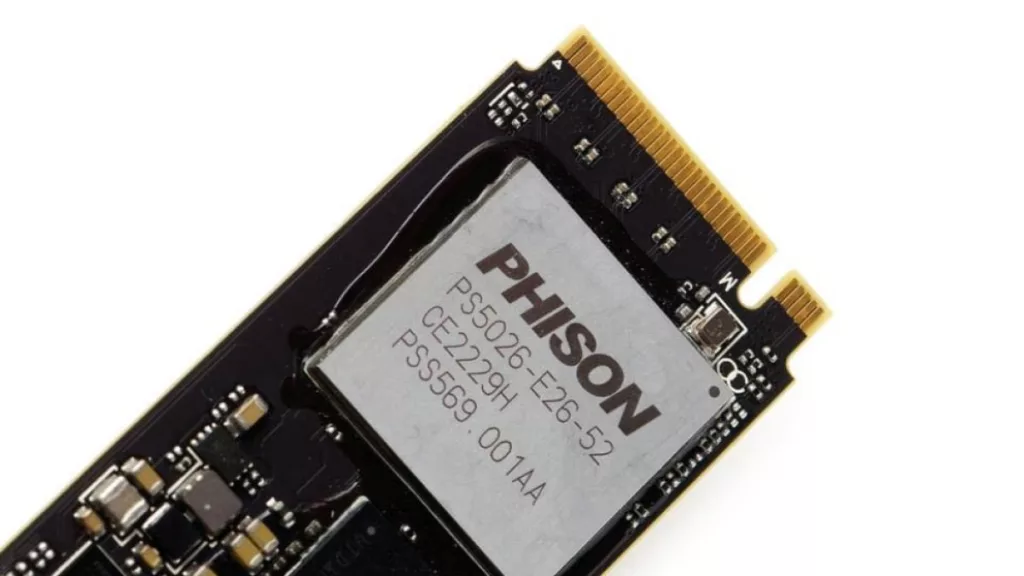
The storage market is starting to look a lot like the DRAM situation that has already squeezed consumer hardware over the last few quarters. According to a report cited by DigiTimes, NAND flash pricing has climbed by more than 500% over the last year, and the supply environment is tightening fast enough that Phison is shifting customer transactions toward a prepayment model, meaning buyers may need to commit cash up front to secure allocation.
The strategic driver here is not just traditional PC and console demand. The balance of power is moving toward AI infrastructure, where storage is becoming a first class constraint for inference at scale. Inference workloads are increasingly sensitive to how quickly systems can move and stage context, and that pushes NAND from being a background component into a gating resource. The result is a supply chain where enterprise and AI customers can influence allocation, while smaller buyers face a tougher reality: unstable spot behavior, shorter quote validity, and less negotiating leverage.
For Phison specifically, prepayment is a defensive financing and supply assurance move. When NAND costs rise sharply, working capital requirements can balloon because every shipment represents a larger amount of cash tied up in components. Prepayment shifts that burden downstream, allowing Phison to secure supply without absorbing all the cash flow pressure itself. In a market where pricing can move aggressively, this also acts as a risk control mechanism for both allocation planning and margin stability.
The bigger signal is what this implies for the consumer SSD market. If NAND supply continues to be pulled toward AI deployments, consumer pricing can remain elevated even when demand softens, because supply is being structurally redirected. That is the part gamers will feel most directly, especially as SSD capacities trend upward and modern games continue to expand install footprints.
If the 500% figure holds as a directional indicator rather than a one off spike, the industry is entering a phase where storage procurement becomes more like GPU procurement during shortage cycles: less about shopping for deals, more about securing availability, timing purchases intelligently, and planning builds around what is actually in stock at a tolerable price.
Do you think SSD prices will cool down once the next wave of NAND supply ramps, or is AI demand going to keep consumer storage pricing elevated through 2026?
