
Samsung’s Exynos 2800 Rumor Points to a Much Bigger GPU Ambition, but the Path Tracing Claim Needs Caution
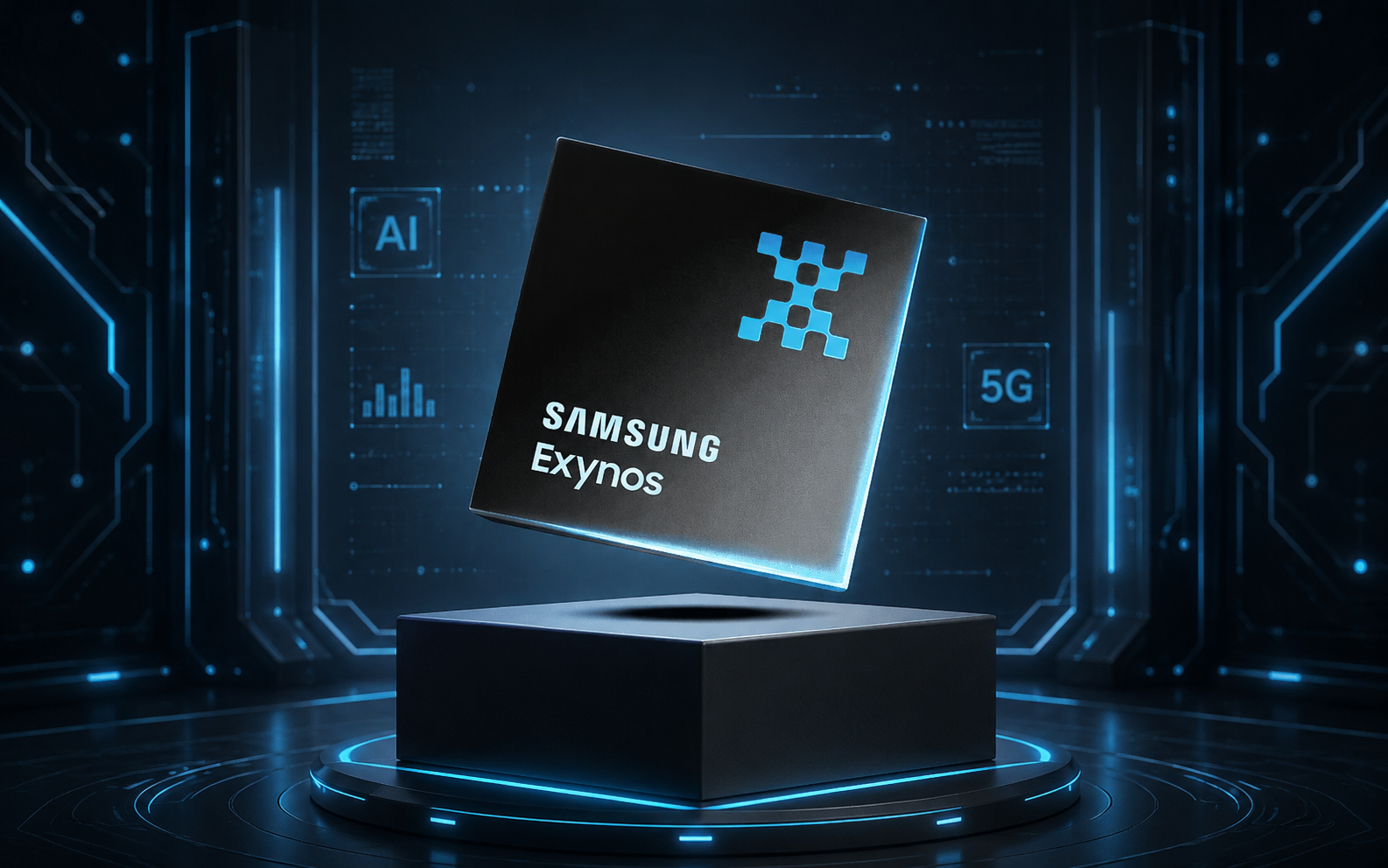
Samsung may already be laying early groundwork for a far more aggressive Exynos laptop strategy, if a new leak about the rumored Exynos 2800 proves accurate. According to a fresh report based on claims from the leaker Schrödinger, Samsung is allegedly preparing a Chromebook focused version of its future Exynos 2800 SoC, with ambitions that go beyond simply powering a low cost notebook rival. The more eye catching claim is that this version could push Samsung’s Xclipse graphics in a far more ambitious direction by targeting full path tracing rather than conventional real time ray tracing. At this stage, however, none of this has been confirmed by Samsung, and the entire story should be treated as an early rumor rather than a roadmap reveal.
What makes the leak so notable is not just the claimed timing, which points to a 2028 class chip, but the suggestion that Samsung wants to reposition Exynos as more than a smartphone platform. If accurate, this would mirror Apple’s now visible strategy of using high end mobile class silicon to power lighter, lower cost notebooks, including the recently discussed MacBook Neo category. But Samsung’s alleged goal appears even more ambitious in this rumor, because the report frames the Chromebook version of Exynos 2800 as something that could aim upward toward Apple’s base M7 performance tier rather than simply attacking the bottom of the notebook market. That is a significant claim, and right now there is no official Samsung evidence supporting it.
The GPU angle is where the rumor becomes especially aggressive. The report says the Chromebook variant of Exynos 2800 would feature an Xclipse 980 GPU with support for path tracing instead of standard ray tracing. That is a much bigger statement than it may sound like at first glance. Path tracing is generally understood as a far more computationally demanding lighting model than the hybrid ray tracing techniques used in current real time graphics. In practical terms, path tracing is usually the sort of feature associated with high end desktop GPUs, major upscaling support, and large power budgets, not thin laptop class chips derived from mobile silicon. So even if Samsung is working toward that direction architecturally, the real question would be what kind of path tracing support this actually means in practice. It could refer to a limited hardware capability, a forward looking API feature, or a highly selective implementation rather than broad real time gaming performance. That last distinction is an inference based on the gap between the rumor’s claim and the current state of path traced workloads.
Another part of the rumor claims the Exynos 2800 could use a 10 core CPU design in a 2 plus 4 plus 4 layout, with a very large 96 MB system level cache and a wide internal bus aimed at reducing CPU and GPU latency. If true, that would suggest Samsung is trying to make much more serious progress not just on graphics, but on total SoC level data movement and memory behavior, which are exactly the areas that matter when mobile class chips try to scale into laptop use cases. Again, though, these details are coming from a leaker and not from Samsung itself.
There is also a broader strategic reason this rumor is getting attention. Samsung has been trying for years to make Exynos more competitive, especially on graphics, and the Xclipse branding already represents an attempt to push that side harder than past generations did. If Samsung really is building toward a laptop capable Exynos platform with stronger GPU features, better cache architecture, and a higher ceiling on sustained performance, it would signal a bigger long term effort to turn Exynos into a multi device silicon brand rather than a smartphone only compromise. That is the bullish reading. The more conservative one is that this could still be very early architectural experimentation that never reaches shipping form in the way the rumor suggests. That is an inference based on Samsung’s past Exynos positioning and the speculative nature of the leak.
The most important point for now is restraint. Samsung has not announced Exynos 2800. Samsung has not confirmed a Chromebook variant. Samsung has not said anything publicly about path tracing on Xclipse 980. So while the rumor is interesting and potentially points to a far more aggressive future Exynos strategy, it is still far too early to present it as a confirmed product direction. For now, this is one to watch, not one to bank on.
Do you think Samsung can realistically push Exynos into a true laptop tier competitor by 2028, or is the path tracing angle still too ambitious for a mobile first chip design?
