
Multiple GPU Vendors Showcase Passive Cooling Designs for AMD RDNA 4 Professional GPUs
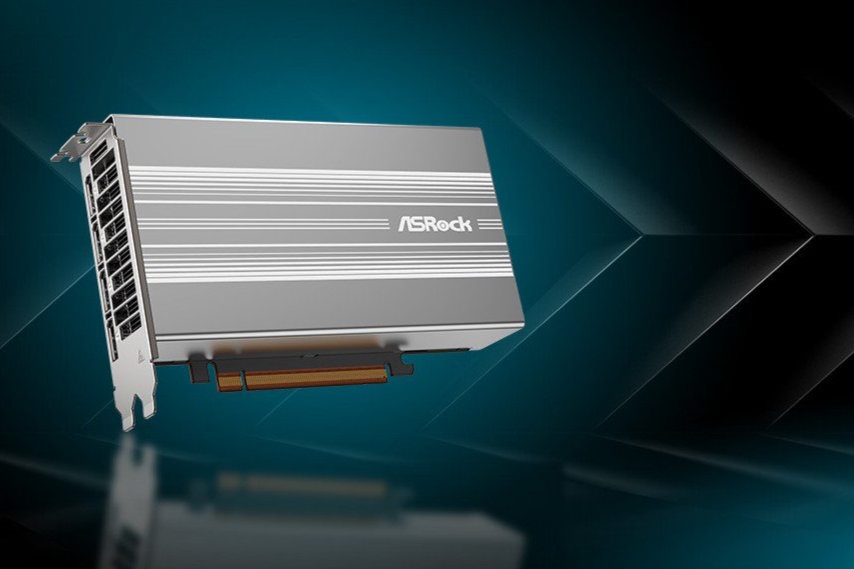
Following AMD’s recent expansion of its professional graphics lineup, multiple board partners have now unveiled their own passive cooling designs for the newly launched RDNA 4 based workstation GPUs. These fanless solutions target professional environments where acoustics, reliability, and dense multi GPU deployment are key priorities, further reinforcing AMD’s push into AI, visualization, and workstation workloads.
The latest additions to AMD’s professional portfolio include the Radeon AI PRO R9700S and Radeon AI PRO R9600D, both based on the Navi 48 GPU. Board partner implementations maintain AMD’s reference fanless philosophy while introducing subtle design variations. The Radeon AI PRO R9700S retains a dual slot form factor, while the Radeon AI PRO R9600D is offered in a slimmer single slot configuration, enabling higher density workstation installations.
PowerColor has introduced its own minimalist take on the Radeon AI PRO R9700S with the PowerColor Radeon AI PRO R9700S 32G P. The card features a fully black shroud with no external branding, giving it a clean and understated professional appearance. Power delivery is handled via a 16 pin connector located at the end of the PCB, and a full length backplate is included for structural rigidity. Display connectivity consists of four DisplayPort 2.1a outputs, aligning with AMD’s focus on high resolution and high refresh professional displays.
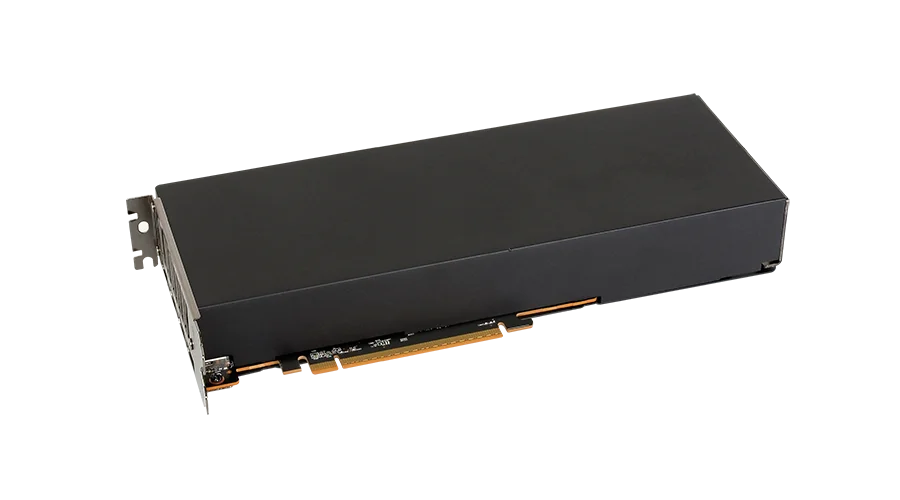
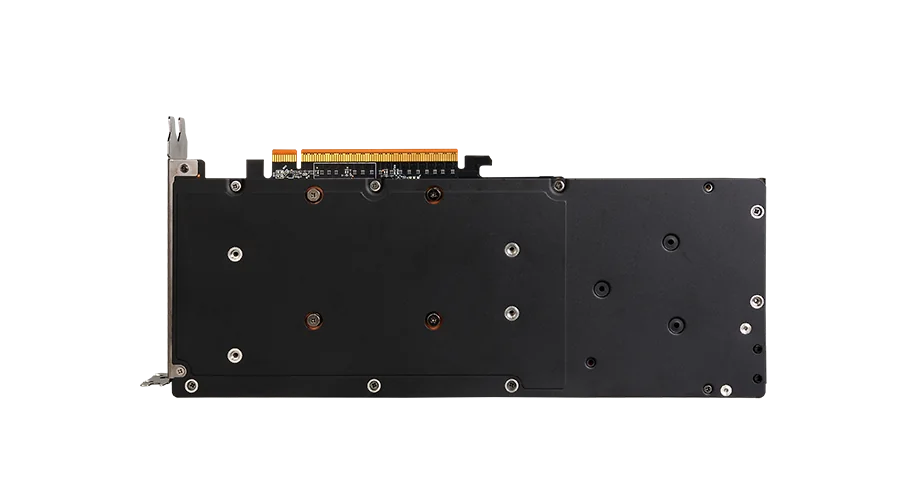
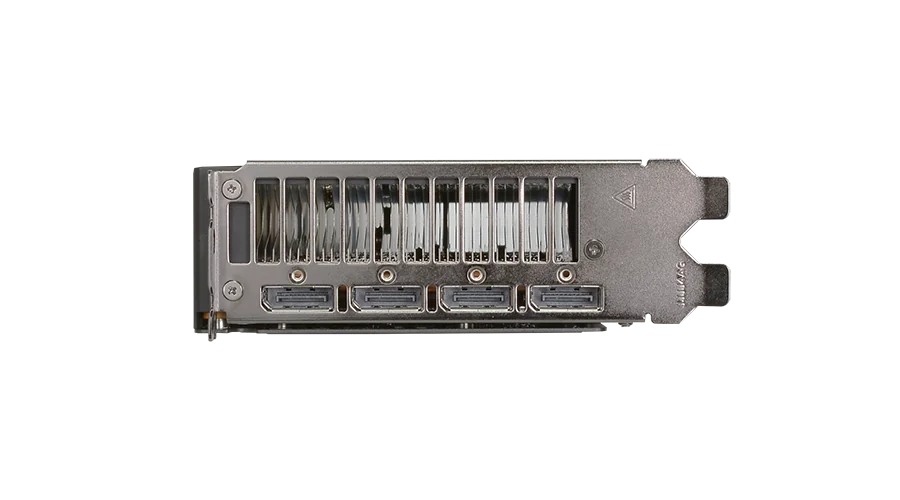
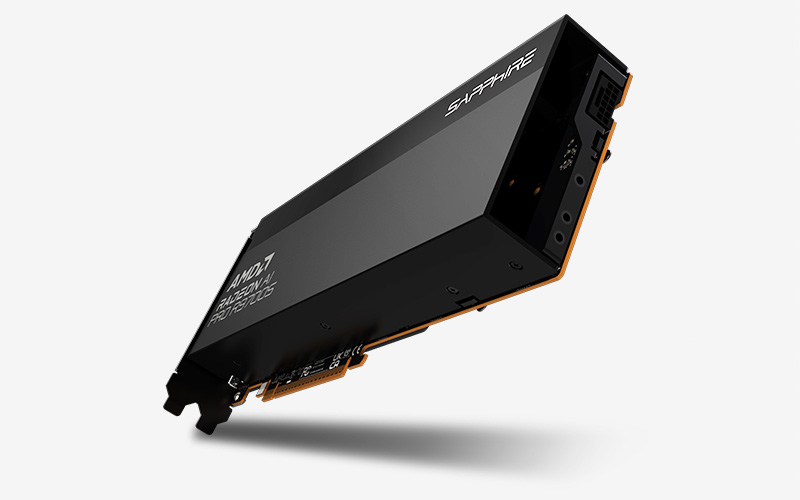
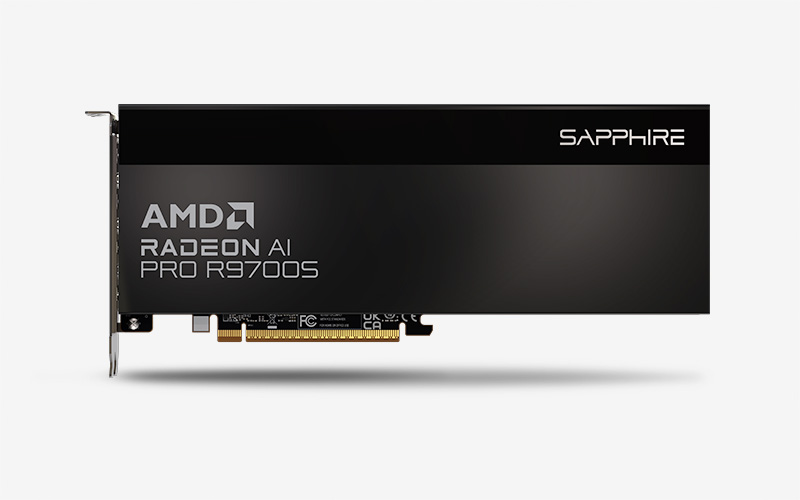
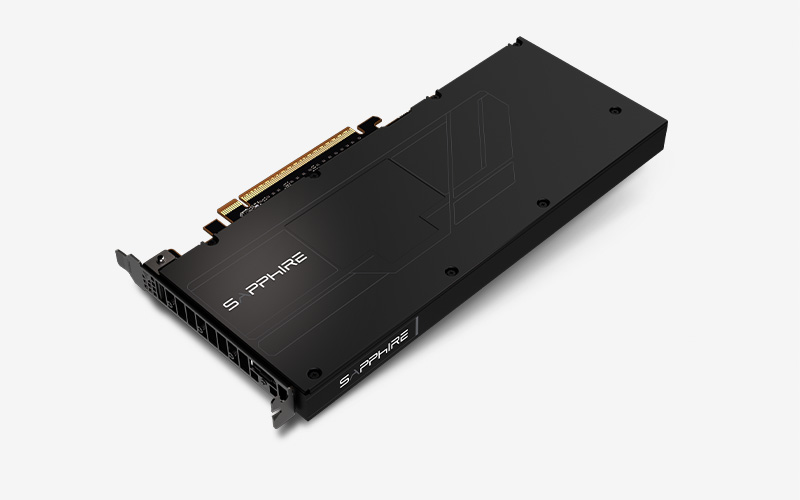
Sapphire has taken a slightly more expressive approach with its commercial lineup. The company offers both the Radeon AI PRO R9700S and the Radeon AI PRO R9600D in 32 GB configurations, detailed on the Sapphire Radeon AI PRO R9700S. These models feature restrained but identifiable shrouds with AMD Radeon and Sapphire branding, along with subtle accents on the backplate. The R9700S variant includes four DisplayPort 2.1 outputs and uses a 12V 2x6 power connector. The R9600D model adopts a single slot design and is equipped with a single DisplayPort 2.1 output, also powered through a 12V 2x6 connector. While the use of a 16 pin style connector on a 150 watt class GPU may seem unusual, it provides robust power delivery and remains far less demanding than connectors used on high power consumer GPUs.
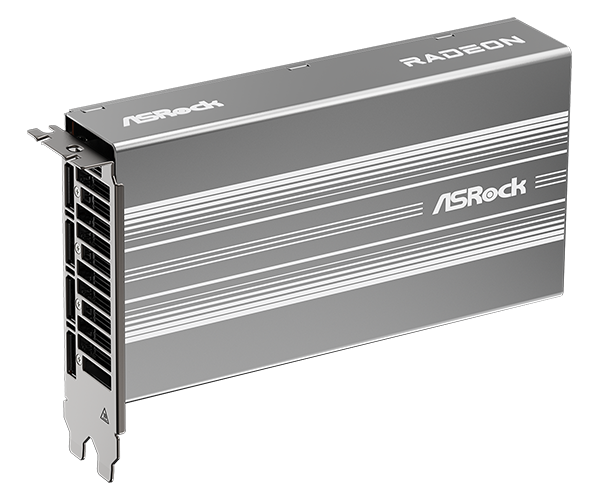
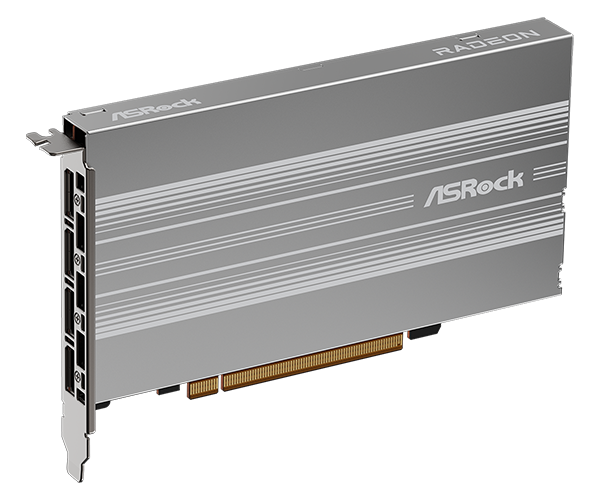
ASRock has opted for a visually distinct passive cooling solution across both models. The ASRock Radeon AI PRO R9700S Passive PS 32G and the Radeon AI PRO R9600D Passive PS 32G feature a grey heatsink shroud accented with white details, giving them a more industrial aesthetic. Connectivity largely mirrors competing designs, though ASRock differentiates its R9600D by equipping it with four DisplayPort 2.1a outputs instead of a single port, potentially increasing its appeal for multi display professional setups.
The emergence of multiple passive designs across AMD’s board partner ecosystem highlights growing demand for silent and thermally efficient GPUs in AI inference servers, content creation workstations, and enterprise visualization environments. With RDNA 4 now firmly positioned in the professional segment, these fanless implementations provide system integrators and enterprise customers with flexible deployment options without compromising performance or display capabilities.
Do you see passive cooled professional GPUs becoming the standard for AI and workstation systems, or will active cooling remain dominant for higher density deployments?
