
ASUS Launches Dual GeForce RTX 5060 Ti EVO 16G Featuring PCIe 5.0 x8 Interface
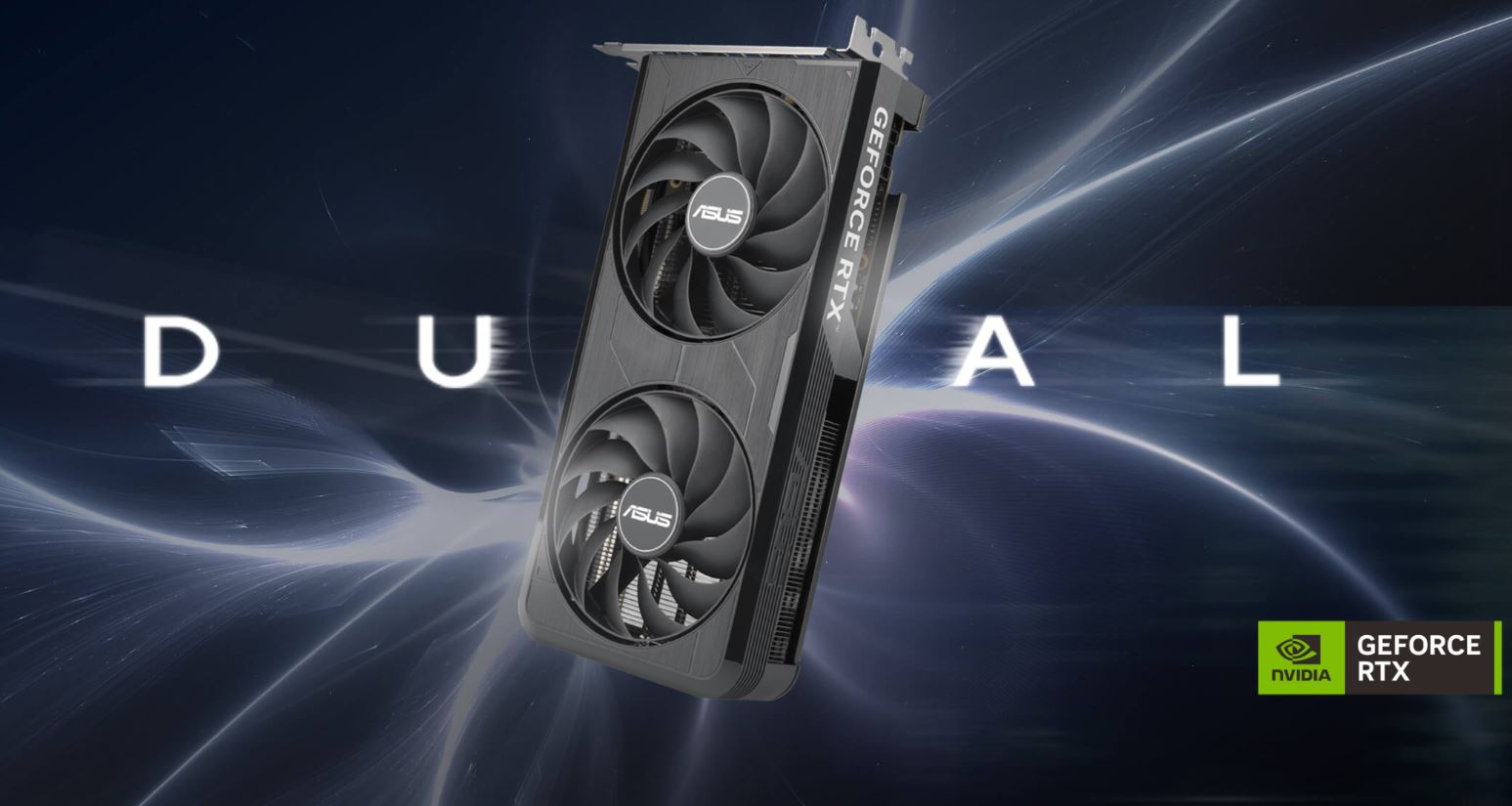
ASUS has quietly expanded its GeForce RTX 5060 Ti lineup with the release of a new variant, the Dual GeForce RTX 5060 Ti EVO 16G, which introduces several notable design changes compared to the original Dual RTX 5060 Ti 16G. At first glance, the card may appear nearly identical to the existing model, but the EVO designation signals a revised physical layout and internal structure, now officially listed on the ASUS product page.
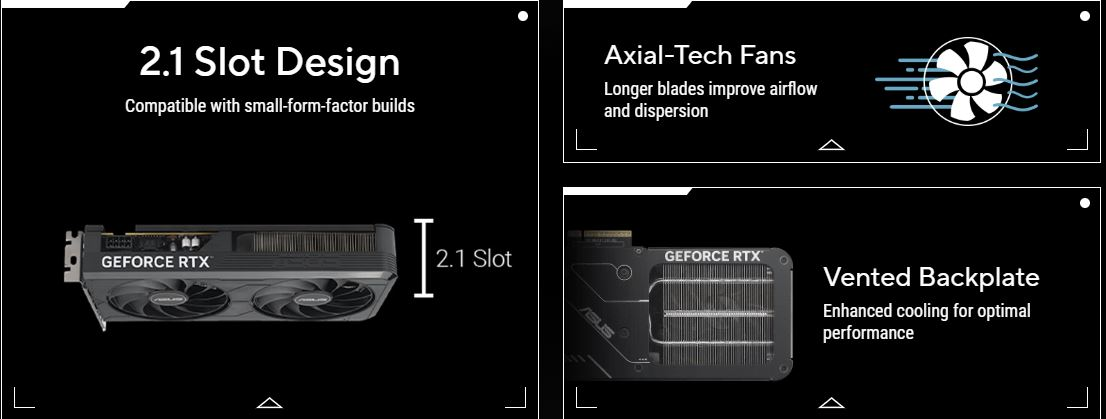
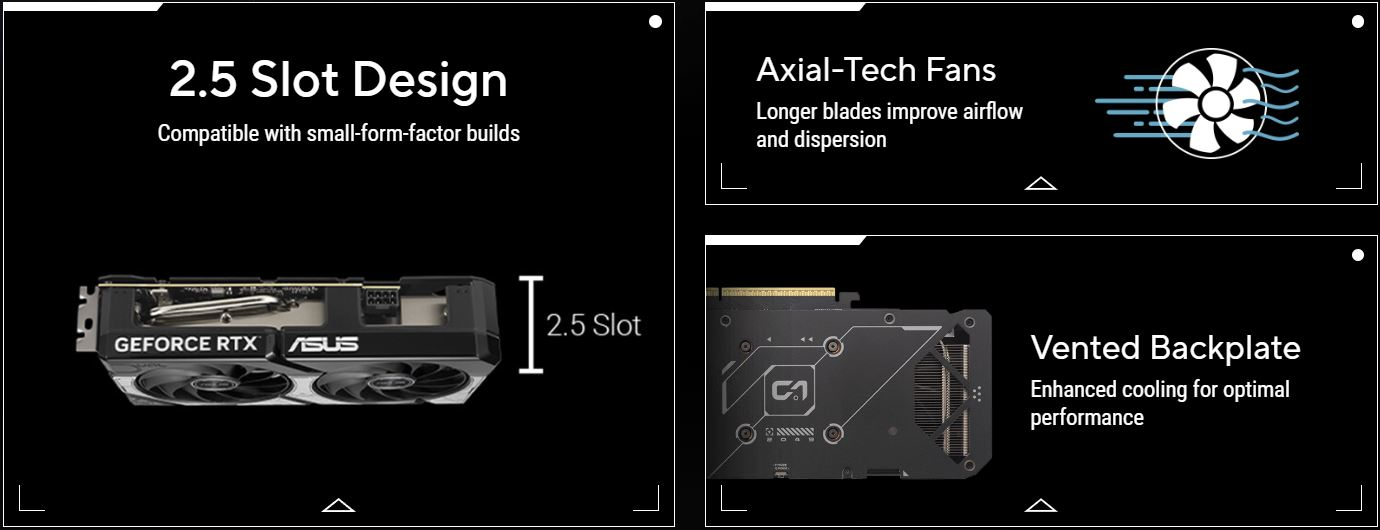
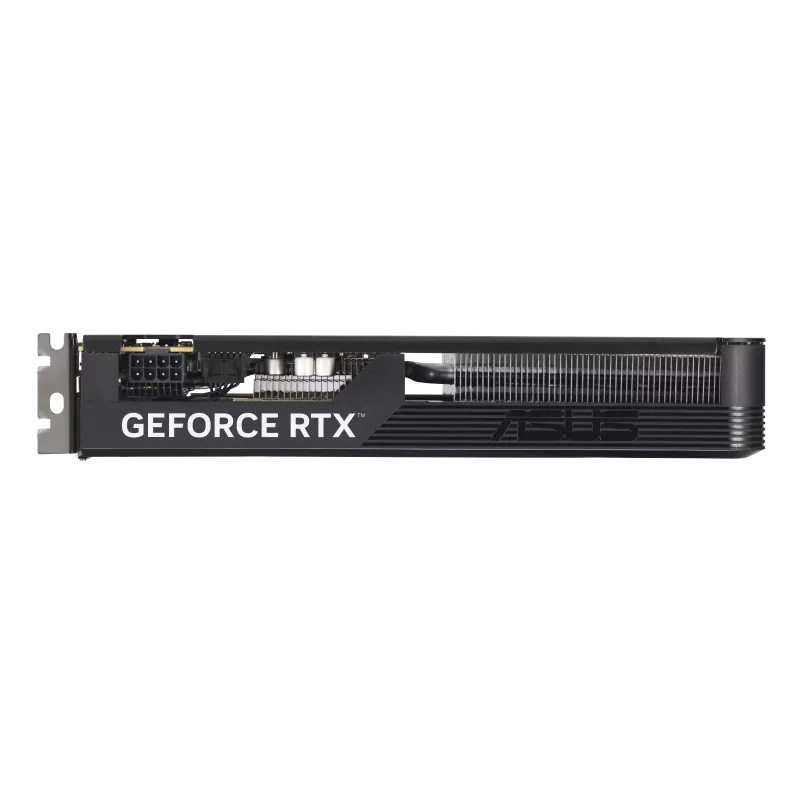
The existence of the new EVO model was first highlighted by unikoshardware on X, revealing that while ASUS has retained the familiar dual fan aesthetic, the cooling solution underneath has been significantly reworked. The EVO version still uses Axial tech fans and heat pipes paired with an aluminum heatsink, but the heat pipes are no longer visible from the sides. Instead, the card features a more compact heatsink with vertically oriented fins, resulting in a slimmer overall profile.
One of the most immediate physical changes is the reduced thickness. The Dual RTX 5060 Ti EVO 16G measures approximately 2.1 slots, down from the 2.5 slot design of the non EVO card. This translates to roughly a 12 millimeter reduction in thickness, along with a slightly shorter card length reduced by about 4 millimeters. These adjustments strongly suggest that the EVO variant is optimized for compact and space constrained system builds.
Despite the physical redesign, ASUS has not altered the core specifications. The card maintains the same boost clock of 2602 MHz in OC mode, with no changes to CUDA core count, memory configuration, or performance targets. However, several functional design decisions clearly differentiate the EVO model from its predecessor.
One of the more unconventional changes is the repositioning of the power connector. Instead of being placed toward the far end of the card as seen on most modern GPUs, the power connector on the EVO model is shifted to the left side near the display outputs. This layout may simplify cable routing in certain compact enclosures, though it diverges from typical board partner design practices.
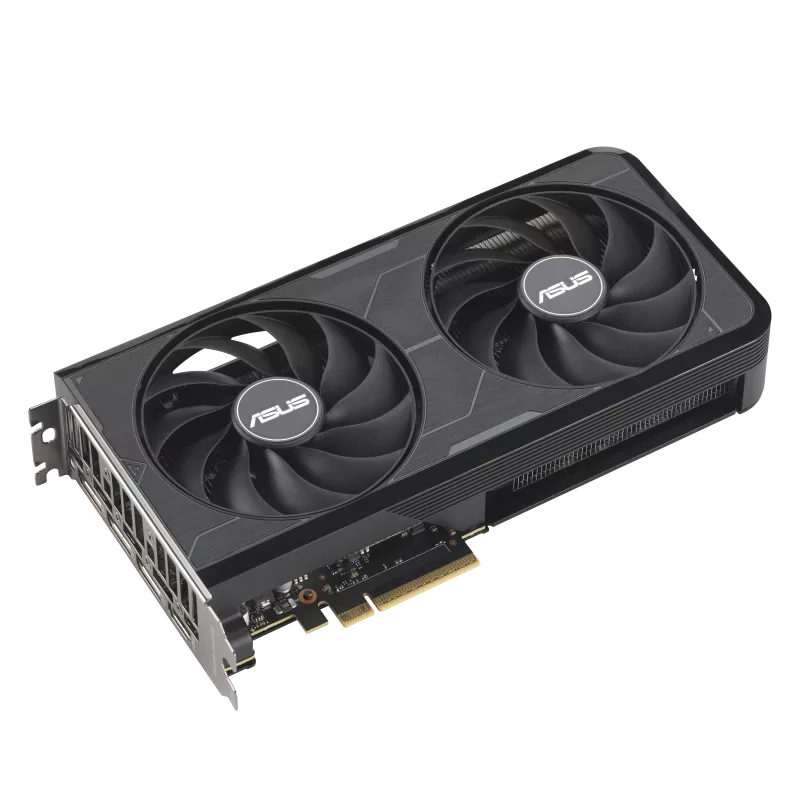
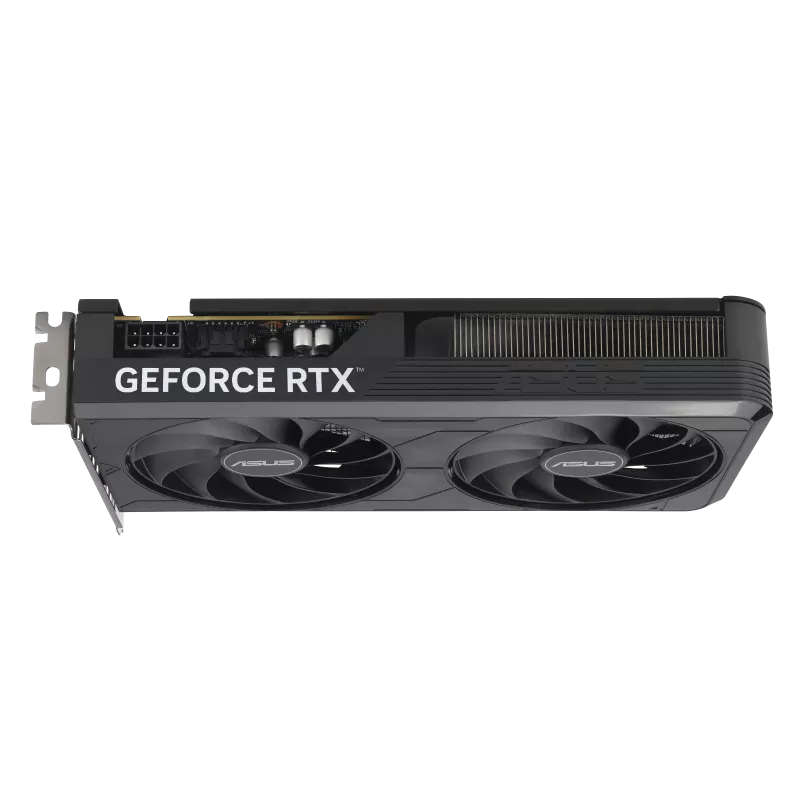
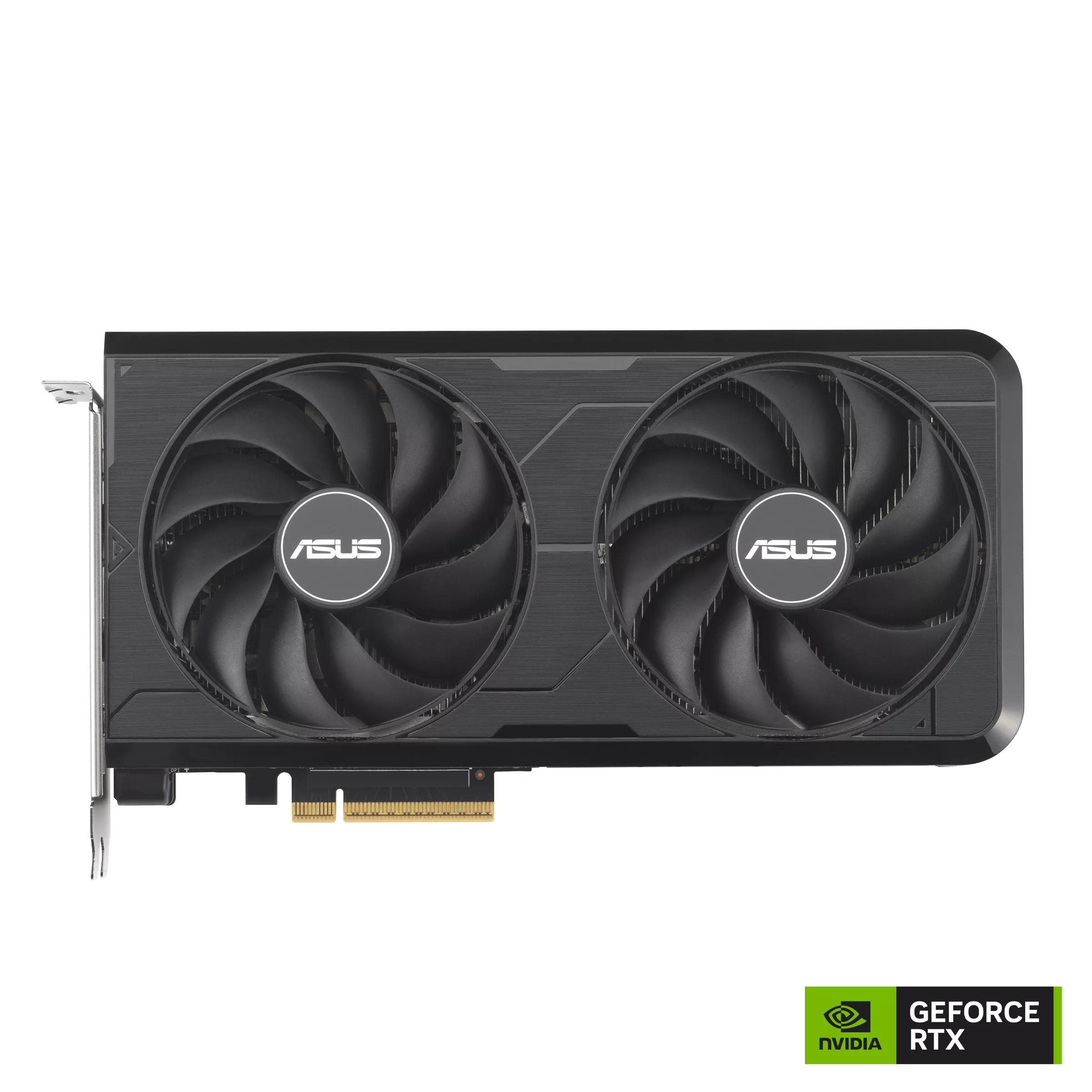
ASUS has also removed several features present on the non EVO version. The EVO card no longer includes ASUS GPU Guard, a reinforcement feature designed to strengthen PCB corners and reduce the risk of cracking. In addition, the Dual BIOS switch has been removed, limiting firmware flexibility for enthusiasts and system integrators.
Another significant change lies in the PCI Express interface. The Dual RTX 5060 Ti EVO 16G uses a shorter PCIe 5.0 x8 connector rather than a full length x16 connector. This approach mirrors designs seen on other RTX 5060 Ti cards such as the Gigabyte WindForce edition. While some users may view the shorter connector as less mechanically robust, there is no performance downside. The RTX 5060 Ti is electrically limited to a PCIe x8 interface, meaning bandwidth and performance remain identical regardless of whether a physical x8 or x16 connector is used.
From a technical standpoint, the PCIe 5.0 x8 configuration provides more than sufficient bandwidth for this GPU class, ensuring identical real world performance compared to full length connector implementations. The choice appears driven by layout efficiency and cost optimization rather than performance constraints.
At this time, ASUS has not disclosed pricing or regional availability details for the Dual RTX 5060 Ti EVO 16G. Given its slimmer profile, reduced feature set, and compact oriented design, the EVO variant appears to be positioned as a form factor friendly option for small form factor and mainstream gaming systems rather than an enthusiast focused model.
Would you prefer a slimmer GPU design like the RTX 5060 Ti EVO for compact builds, or do you still value full length connectors and extra hardware features even on midrange cards?
