
Major Motherboard Vendors Report a Forty to Fifty Percent Drop in Sales as High DRAM Prices Slow the Entire PC Market
The global PC hardware market is feeling the full impact of the recent surge in DRAM prices. What started as a steady increase has now escalated into a dramatic spike that has doubled or even quadrupled the price of many DDR5 memory kits. With memory prices reaching record highs, consumers are delaying upgrades and new system builds, resulting in sharp declines across multiple components, particularly motherboards.
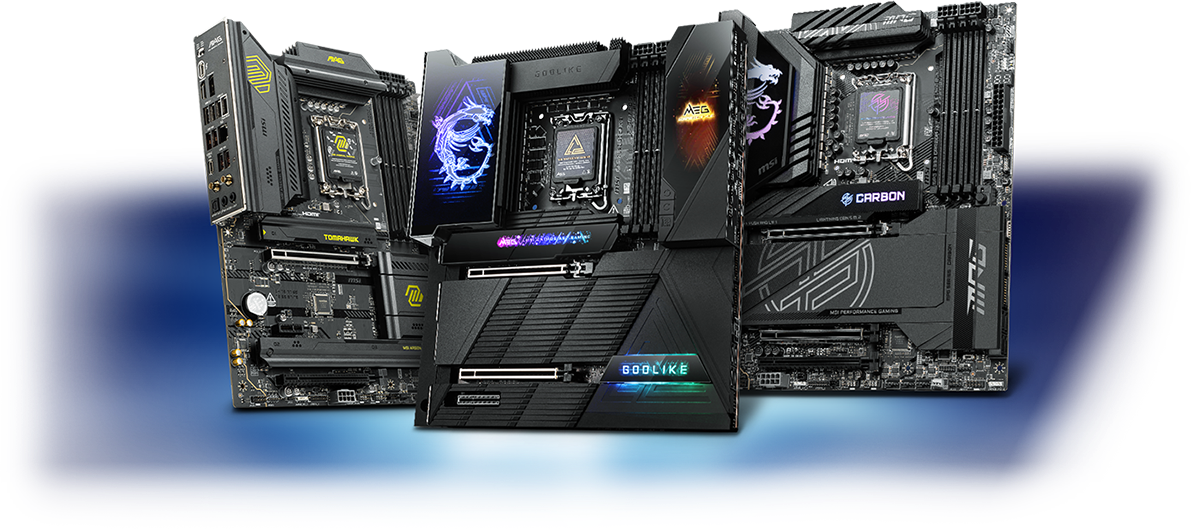
A new report from Gaz Log cites data from Board Channels indicating that major motherboard manufacturers, including MSI, GIGABYTE, and ASUS, have experienced a forty to fifty percent reduction in motherboard sales compared to the same period last year. This decline is especially unusual because this time of year typically benefits from strong sales due to festive season promotions. Instead, skyrocketing DRAM prices since October have drastically cooled demand.
A significant contributor to this decline is the industry’s full transition to DDR5 platforms. Both AMD and Intel have completed their move to DDR5 only architectures, meaning entry level and high end consumers alike must purchase DDR5 memory to upgrade or build new systems. Earlier in the year, DDR5 pricing had stabilized, prompting many users to adopt new AM5 and LGA 1851 platforms. However, now that pricing has surged, many would be upgraders are unable or unwilling to proceed.
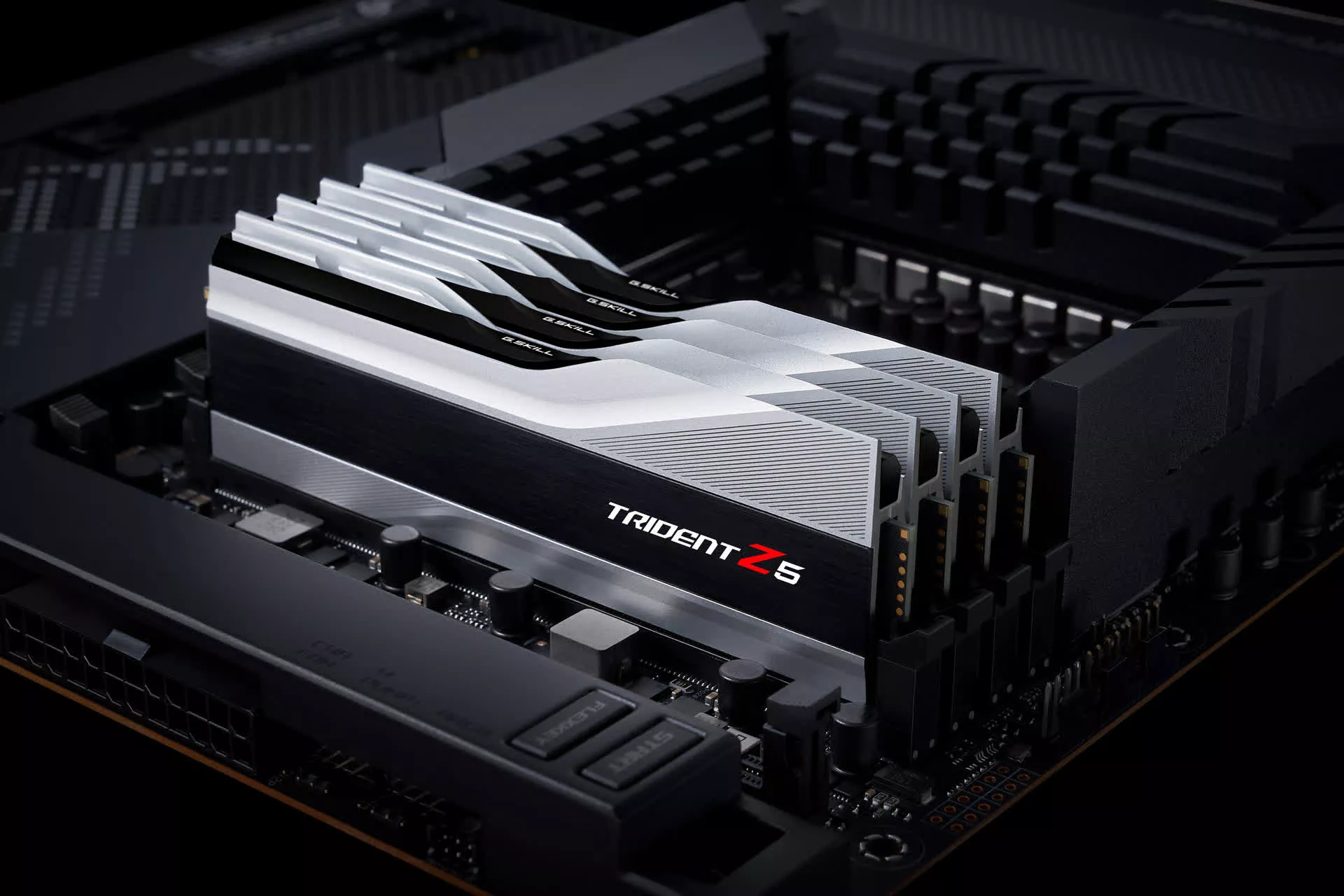
Consumers who were planning to expand their memory capacity are postponing purchases, while users building new systems face a difficult choice between waiting for prices to fall or opting for older DDR4 platforms that may not serve them well in the long term. This hesitation has created a ripple effect throughout the PC ecosystem. If motherboard sales are falling by nearly half, CPU sales are most likely following the same downward trajectory, as the two components are purchased together in the majority of new builds.
Bundle promotions that include a DDR5 memory kit alongside a motherboard have become more common in an attempt to incentivize purchases. However, these bundles offer little value to users who already own a motherboard and were simply planning to upgrade their memory.
At this stage, it is still uncertain how long the market will remain under pressure. Analysts suggest that the current situation may only represent the beginning of a broader slowdown across the PC hardware sector. With DRAM expected to remain in short supply and prices unlikely to normalize soon, motherboard and CPU vendors may need to rethink their sales strategies for the months ahead.
Do you think motherboard and CPU vendors should offer more aggressive bundles or price adjustments to counter the impact of rising DRAM costs
