
Gamers Are Calling for a RAM Boycott to Force Prices Down, But Here Is the Hard Truth: It Will Not Work
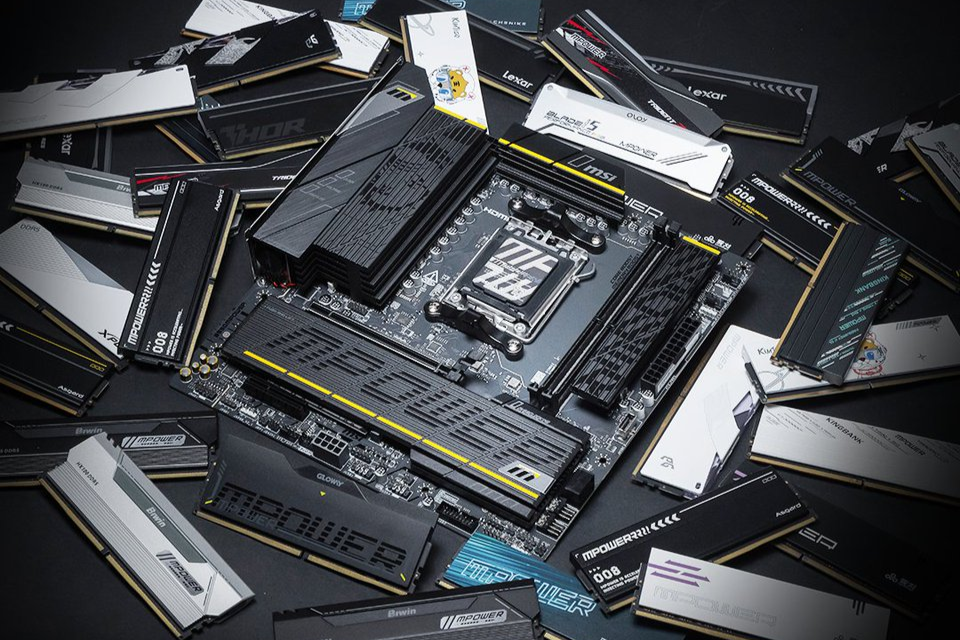
As DRAM prices continue to surge, more gamers have begun calling for what they describe as a “RAM boycott”, believing that a coordinated reduction in purchases could force the market to correct itself. However, despite the sentiment gaining traction in community discussions, the reality is far more complex. A boycott would not lower prices and would instead leave consumers with fewer opportunities to buy memory at comparatively lower costs before prices rise even further.
A widely circulated Reddit post, shared through the PCMasterRace community, calls for a collective refusal to purchase memory, arguing that it would “save everyone a fortune”. Yet the current state of the DRAM industry reveals that such a move would have little, if any, meaningful effect on pricing.
Many assume that the AI market alone is responsible for the soaring price of DRAM. While AI demand is undeniably significant, the situation is rooted in a deeper and longer term supply chain challenge. During the COVID period, demand for consumer DRAM collapsed. Manufacturers like Samsung, SK hynix, and Micron responded by slowing production lines, reducing output, and reallocating resources. Production cuts were necessary for profitability, especially as the consumer PC market softened.
When DDR5 eventually arrived, adoption was slower than expected. This was largely due to the longevity of platforms like AMD’s AM4, which allowed gamers to extend the life of their systems longer than previous generations. Because early DDR5 demand was weaker than anticipated, DRAM makers continued operating at reduced output.
Then came the AI boom. As soon as demand for memory surged across cloud service providers and AI hardware companies, production lines were completely unprepared. Manufacturing capacity that had been scaled down during the pandemic could not rapidly scale back up. This created a perfect storm that explains today’s severe shortages.
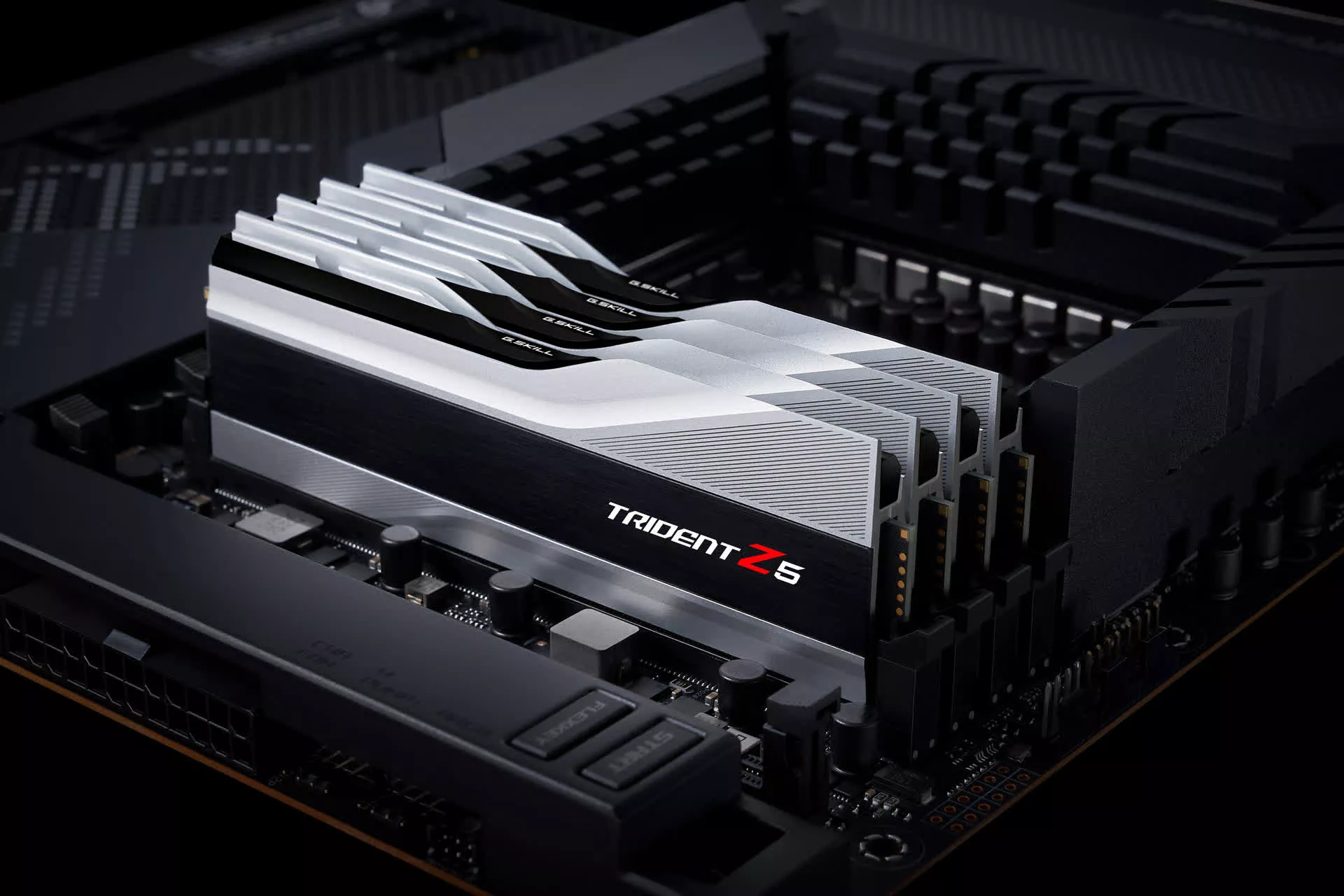
Even if gamers stopped buying memory entirely, manufacturers would experience almost no financial impact. The overwhelming majority of DRAM demand now comes from AI companies and cloud providers that require enormous volumes of DDR, GDDR, RDIMM, LPDDR, and especially HBM. These organizations purchase memory at massive scale and extremely high margins. Their demand now defines the DRAM market.
Manufacturers choose who receives their limited production, and they prioritize customers like NVIDIA, AMD, and hyperscalers because they offer higher profitability and long term contracts. Consumer sales simply do not move the needle. The AI industry has already consumed nearly every available DRAM product. As long as demand remains this high, no consumer boycott can meaningfully influence pricing.
HBM is particularly important. AI accelerators rely heavily on HBM stacks, and most fabrication capacity is currently being allocated to HBM production. This reduces the output of other memory types, including regular DDR and GDDR. Shortages are the natural consequence of this reprioritization.
Gamers should avoid panic buying. Those who currently have eight gigabytes or sixteen gigabytes of memory should wait for several months rather than upgrading at inflated prices. Paying the current premium for a capacity bump that is not immediately necessary is not recommended.
If you are building an entirely new system, your best option is to take advantage of ongoing promotional periods. Although RAM prices are high, seasonal deals may still provide relatively better purchasing conditions. Surprisingly, pre built PCs can offer strong value in the current climate. Many pre built systems were priced before memory shortages had fully impacted the market, making them an attractive short term alternative.
Gamers should also brace for the reality that future consumer devices will likely become more expensive if memory supply constraints remain. Analysts expect shortages to persist into 2027, a timeframe that underscores the importance of understanding the supply chain and making strategic purchasing decisions.
The situation is challenging, but informed timing and careful planning can help minimize the impact of rising DRAM costs.
How do you think the PC industry should respond to the ongoing memory crisis, and what strategies are you personally using to navigate the shortages
