
Moonshot Reportedly Seeks More NVIDIA Blackwell GPUs for Kimi K4
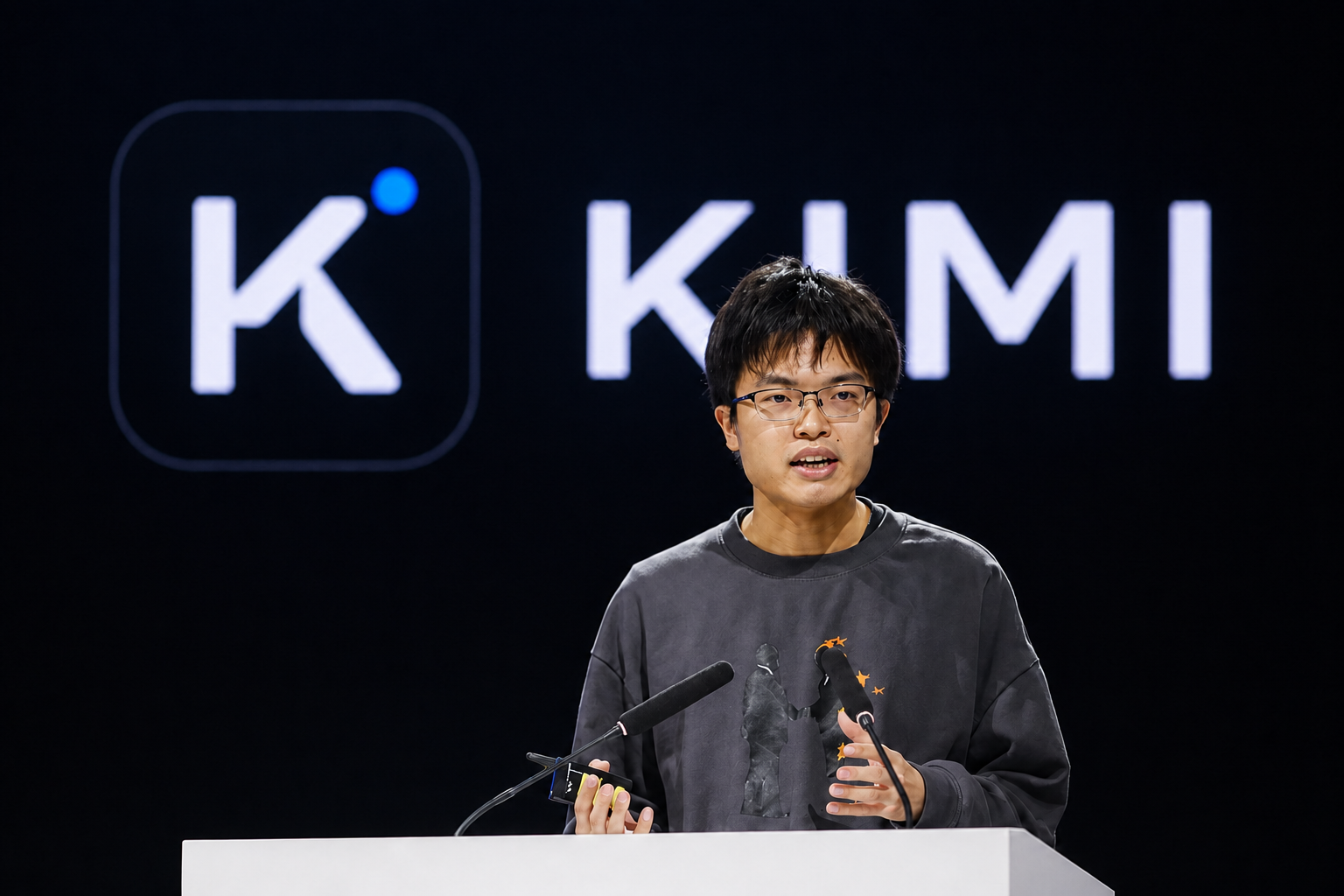
Chinese artificial intelligence developer Moonshot AI is reportedly seeking access to a larger supply of NVIDIA Blackwell GPUs as it prepares future models, including the expected Kimi K4. According to The Information, 2 people familiar with the matter said the company is pursuing additional Blackwell computing capacity following the release of its Kimi K3 model. Moonshot has not publicly announced Kimi K4 or confirmed the reported infrastructure plans.
The development could intensify scrutiny from the Trump administration, which is investigating whether Chinese artificial intelligence companies have accessed restricted American processors through overseas infrastructure. The Commerce Department Bureau of Industry and Security is examining whether companies including Moonshot have illegally obtained access to advanced US chips, while Treasury Secretary Scott Bessent has warned that sanctions could be considered over alleged intellectual property theft and export control violations. Moonshot did not respond to a recent request for comment from Reuters.
The reported Kimi K4 effort follows US government allegations that Moonshot used outputs from Anthropic’s Claude Fable while developing Kimi K3 and accessed NVIDIA GB300 infrastructure through Thailand. As previously detailed in White House allegations surrounding Kimi K3, officials have not publicly released technical records proving how the reported systems were acquired, controlled, or used. Seeking overseas computing services would not automatically establish an export control violation, since responsibility could depend on ownership, customer identity, contractual control, location, and the final destination of the workload.
Kimi K3 contains 2.8 trillion parameters and uses a Mixture of Experts architecture that activates 16 of its 896 experts for each token. Although Moonshot reportedly connected multiple servers across domestic Chinese data centers during development, a larger successor would require considerably more computing capacity. NVIDIA Blackwell GPUs would provide stronger training performance and native support for lower precision formats that can reduce memory consumption and accelerate large artificial intelligence workloads.
The key distinction is that Moonshot’s search for additional computing capacity is currently a reported business and infrastructure effort, not confirmed evidence that the company has violated US law. However, any attempt to obtain restricted Blackwell systems through intermediaries, overseas data centers, or concealed ownership structures would likely attract immediate attention from US enforcement agencies.
Moonshot’s reported Kimi K4 plans demonstrate that advanced computing access remains one of the biggest strategic constraints facing Chinese artificial intelligence developers. Domestic accelerators and distributed data center designs can reduce reliance on NVIDIA, but frontier model training still benefits significantly from tightly connected Blackwell infrastructure.
Export controls may increase costs and complicate procurement, but they have not stopped Chinese laboratories from developing competitive models. The larger challenge for US regulators is determining whether restrictions should focus only on physical hardware shipments or also cover remote computing access, cloud infrastructure, and overseas companies providing restricted processing capacity.
Can US export controls realistically prevent Chinese artificial intelligence companies from accessing Blackwell computing power through international data centers?
