
Chinese DDR5 Server Memory Push Expands as SINKER Starts Shipping 64 GB RDIMMs to Data Centers
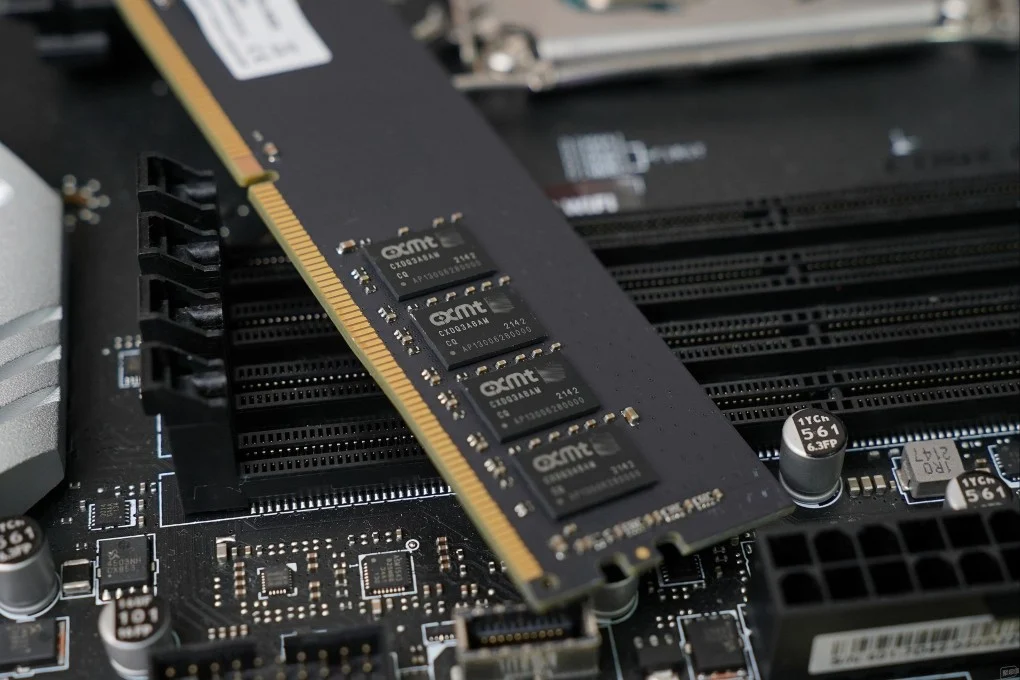
China’s push to localize more of its memory supply chain is moving further into DDR5 server memory, but the latest development is more accurately a module and system integration story than a new DRAM fab breakthrough. Shenzhen based POWEV, through its SINKER brand, has published an official product page for DDR5 memory covering UDIMM, SODIMM, and RDIMM formats, with capacities up to 64 GB and speeds up to 5600 MT/s. The page also says the line is offered in both a China focused version and an overseas version, and positions the products for laptops, desktops, smart terminals, and enterprise style deployments.
The most important part for the data center market is that SINKER is now publicly showing DDR5 RDIMM capability at 64 GB, which places it directly into the server memory conversation at a time when AI infrastructure demand is reshaping procurement across China and the wider market. TrendForce, citing POWEV’s official listing, says the company is now shipping DDR5 modules in two variants and offering up to 64 GB capacities at up to 5600 MT/s. That does not mean China suddenly has a brand new top tier DRAM fabricator on the level of Samsung, SK hynix, or Micron. What it does mean is that another domestic memory module supplier is stepping more visibly into higher value DDR5 server products while local customers look for more flexible sourcing options.
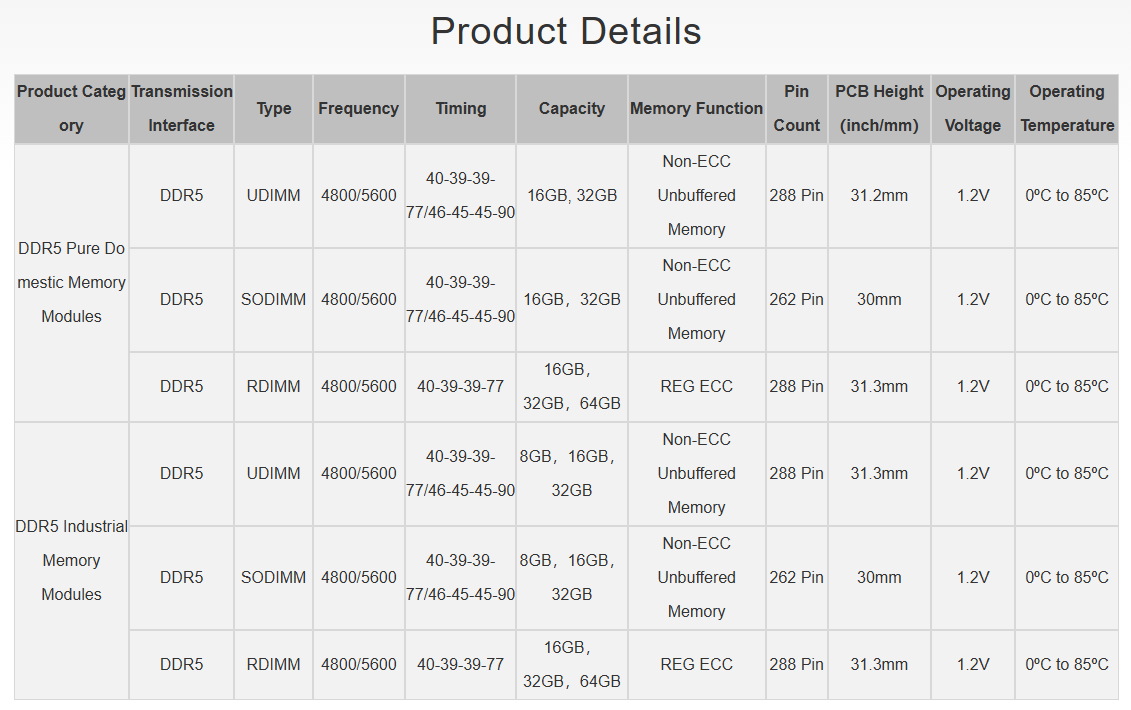
That distinction matters because some coverage has loosely framed this as a new Chinese DRAM manufacturer breaking into DDR5, but available reporting suggests POWEV is better understood as a memory module house rather than a wafer level DRAM producer. DIGITIMES described POWEV as a Shenzhen based memory module maker in April, which aligns more closely with the available company and market descriptions than calling it a full scale DRAM fab. In other words, this is still a meaningful development for China’s memory ecosystem, but it is better read as an expansion in domestic DDR5 module supply and packaging capability rather than a direct challenge to the top global DRAM manufacturers at the silicon fabrication level.
Even so, the timing is strategically important. China continues to build out AI servers and data center infrastructure while global DRAM and NAND markets remain under pressure from AI demand, long term allocation agreements, and supply constraints. Reuters reported late last year that CXMT, China’s top DRAM company, was preparing a major Shanghai listing to fund production upgrades and next generation memory work, including HBM related expansion. That broader context helps explain why domestic module brands are also moving faster into DDR5 server memory segments. The market is not waiting for perfect self sufficiency. It is building additional local layers wherever it can.
The practical takeaway is that SINKER’s DDR5 RDIMM launch is another sign of China widening its domestic memory stack for enterprise and AI related systems. It is not the same thing as China solving its DRAM dependence overnight, and it would be inaccurate to describe this as a new leading edge DRAM manufacturing breakthrough. But it does show that local module vendors are pushing deeper into server class DDR5 products at exactly the moment when memory sourcing flexibility is becoming more valuable than ever.
Do you think domestic module suppliers like POWEV and SINKER can become a meaningful force in China’s server memory market, or will the biggest advantage still remain with the global DRAM giants?
