
Middle East Conflict Raises a Serious New Risk for Chips, but the Taiwan Power Collapse Scenario Is Still Not a Confirmed Outcome
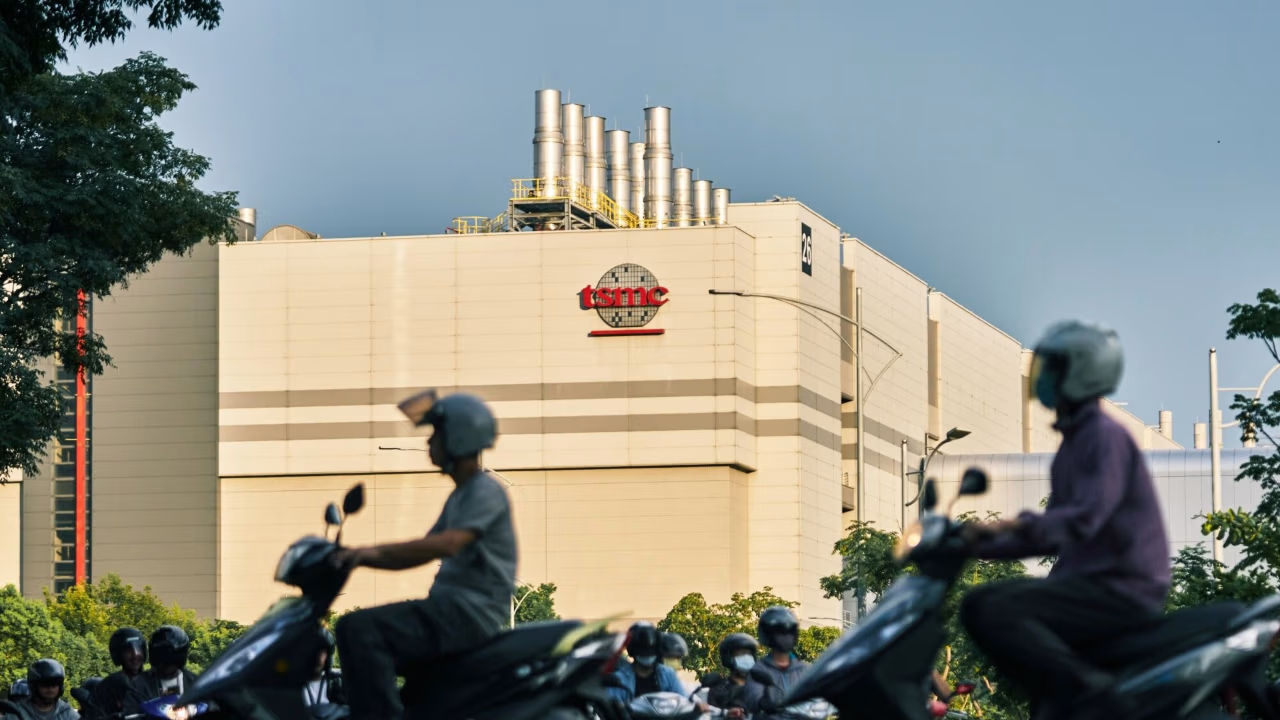
The expanding Middle East conflict is creating a real and increasingly material risk for the semiconductor supply chain, especially for AI infrastructure that depends heavily on Taiwan and South Korea. A report from Ctee says Barclays is warning of a possible “black swan” scenario for chips if the disruption drags on, and that concern is not baseless. Recent reporting shows the war has already hit gas and helium infrastructure in the Gulf, with Qatar’s helium output disrupted and the Strait of Hormuz under severe pressure, raising fears around both energy security and critical industrial inputs for chipmaking.
The reason this matters so much is simple. Taiwan and South Korea sit at the center of advanced semiconductor manufacturing, but both remain heavily exposed to imported energy and raw materials moving through the Gulf. Financial Times reported that East Asia’s chip ecosystem is highly dependent on Middle Eastern energy and chemicals, while Associated Press noted that helium from Qatar is especially important for advanced technologies including semiconductor manufacturing. If those supply chains remain disrupted for long enough, the impact would not stop at oil prices or shipping delays. It would begin to hit fab operations, materials availability, and eventually AI server deployment timelines.
Taiwan’s LNG position is one of the most sensitive pieces of that puzzle. Multiple current reports say Taiwan has roughly 11 days of LNG reserves, which is why the issue has drawn so much attention. Bloomberg coverage reprinted by the Taipei Times specifically described Taiwan as “especially vulnerable” because of this narrow LNG buffer, while Taiwan News also reported that Taiwan holds at least 11 days of natural gas reserves under current conditions.
That said, the most alarming version of the story still needs tighter framing. Taiwan’s government has publicly pushed back on the idea of an immediate power crisis. Minister of Economic Affairs Kung Ming hsin said earlier this month that Taiwan had already secured most of the LNG cargoes needed for March and April and that supply should remain sufficient through April, with local reports describing claims of an imminent shortage as exaggerated. So the risk is real, but it is not accurate to present a near term collapse in TSMC power supply as a confirmed event today. It is a contingency risk tied to escalation and duration, not a verified current failure.

TSMC’s importance to Taiwan’s electricity demand also needs precision. Recent reporting and industry analysis support the broader point that TSMC is becoming an enormous power consumer, but the best sourced public figures available right now place its current share closer to around 8% of Taiwan’s total electricity use rather than clearly above 10%. TSMC’s own sustainability material shows extremely high energy use, and outside analysis has projected its national power share could rise sharply later in the decade. That still supports the core concern: if Taiwan faces prolonged energy stress, the semiconductor sector would be one of the biggest industrial flashpoints.
The raw materials side may be even more underappreciated. Helium is critical to semiconductor manufacturing, and AP reported that the conflict has already forced a halt in Qatari helium production after damage at Ras Laffan. Qatar normally accounts for around 30% of global helium supply, and the report said Asian semiconductor producers such as Samsung and SK hynix rely heavily on that flow. Even if inventory buffers prevent an immediate shutdown, this is exactly the kind of disruption that can tighten lead times, raise input costs, and create cascading bottlenecks throughout the chip industry.
For AI specifically, the stakes are high because the industry is already operating with tight capacity discipline, heavy reliance on a small number of advanced manufacturing nodes, and a supply chain optimized for expansion rather than shock absorption. Financial Times warned that a prolonged Gulf disruption could derail the AI boom by squeezing both semiconductor production and the energy economics around data center growth. Reuters also reported that Asia’s recent earnings surge has been heavily tied to AI related semiconductor demand, which makes the region more exposed to exactly this type of geopolitical energy shock.
So the strongest version of the story is not that Taiwan is about to run out of power tomorrow. It is that the current conflict has exposed a fragile dependency chain linking Gulf energy and industrial gases to the world’s most important chipmaking hubs. If the disruption deepens or lasts longer than governments and manufacturers can buffer, then yes, the semiconductor industry could face a true black swan style shock, and AI would be one of the first sectors to feel it.
Do you think the market is still underestimating how vulnerable AI infrastructure is to energy and raw material chokepoints outside East Asia?
