
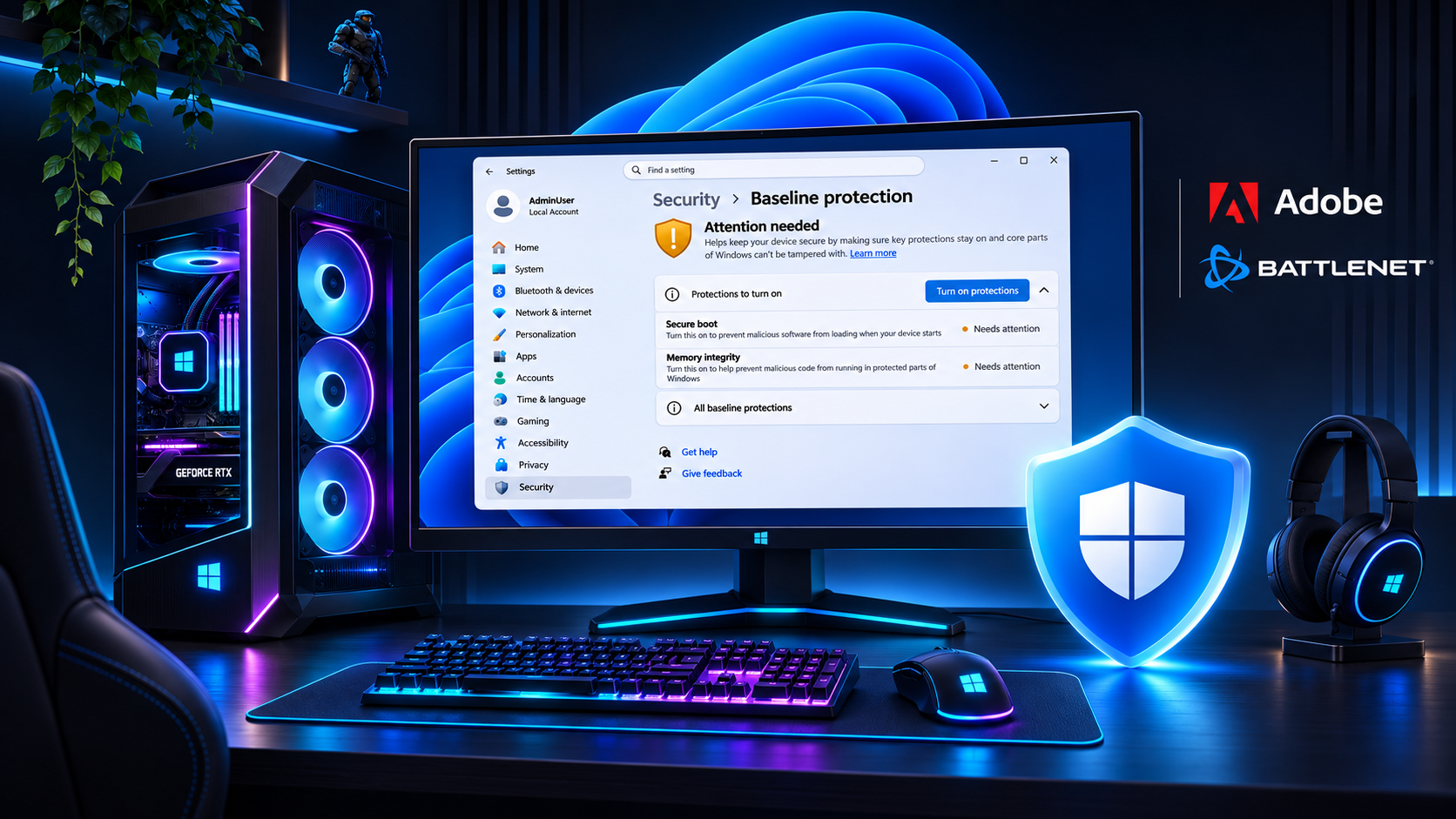
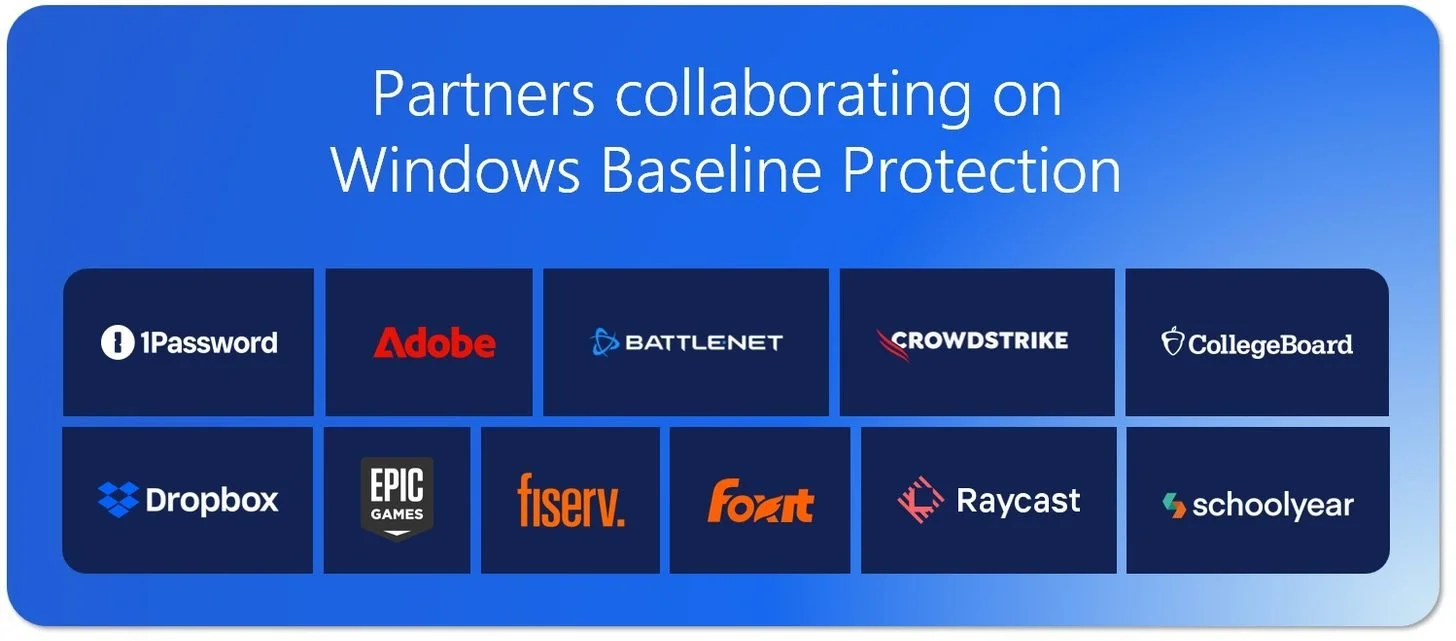
Microsoft is introducing a new Windows 11 security verification system that could allow software developers to block applications from running on computers that fail specific security requirements. Known as Windows Baseline Protection, the feature consolidates several existing Windows security technologies into a unified verification process, potentially changing how games and applications determine whether a PC is secure enough to operate. According to Microsoft, the system is currently available through the Windows Insider Program, with general availability planned for 2027. Major software companies, including Adobe, Blizzard Entertainment, 1Password, and Raycast, are already participating in early testing.
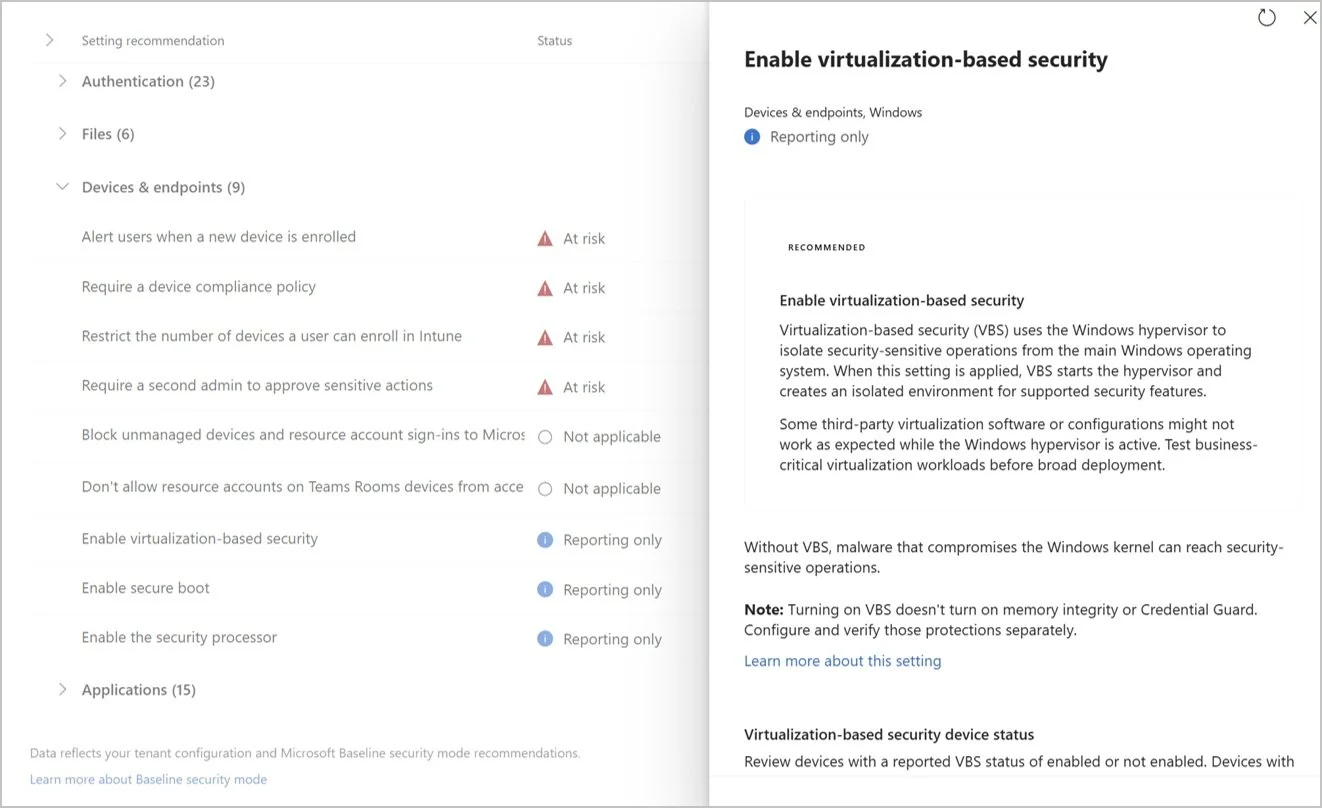
Windows Baseline Protection evaluates several security technologies, including Trusted Platform Module functionality, Secure Boot, Virtualization Based Security, Memory Integrity, driver signing, Windows driver certification, kernel debugger protection, and vulnerable driver protections. Instead of requiring developers to check each security feature individually, Windows provides a single verification result indicating whether the system meets all baseline requirements. The verification occurs during startup, with additional hardware backed attestation available for applications requiring stronger authentication. Users whose PCs fail verification can identify missing protections through Windows Settings and receive instructions for enabling them.
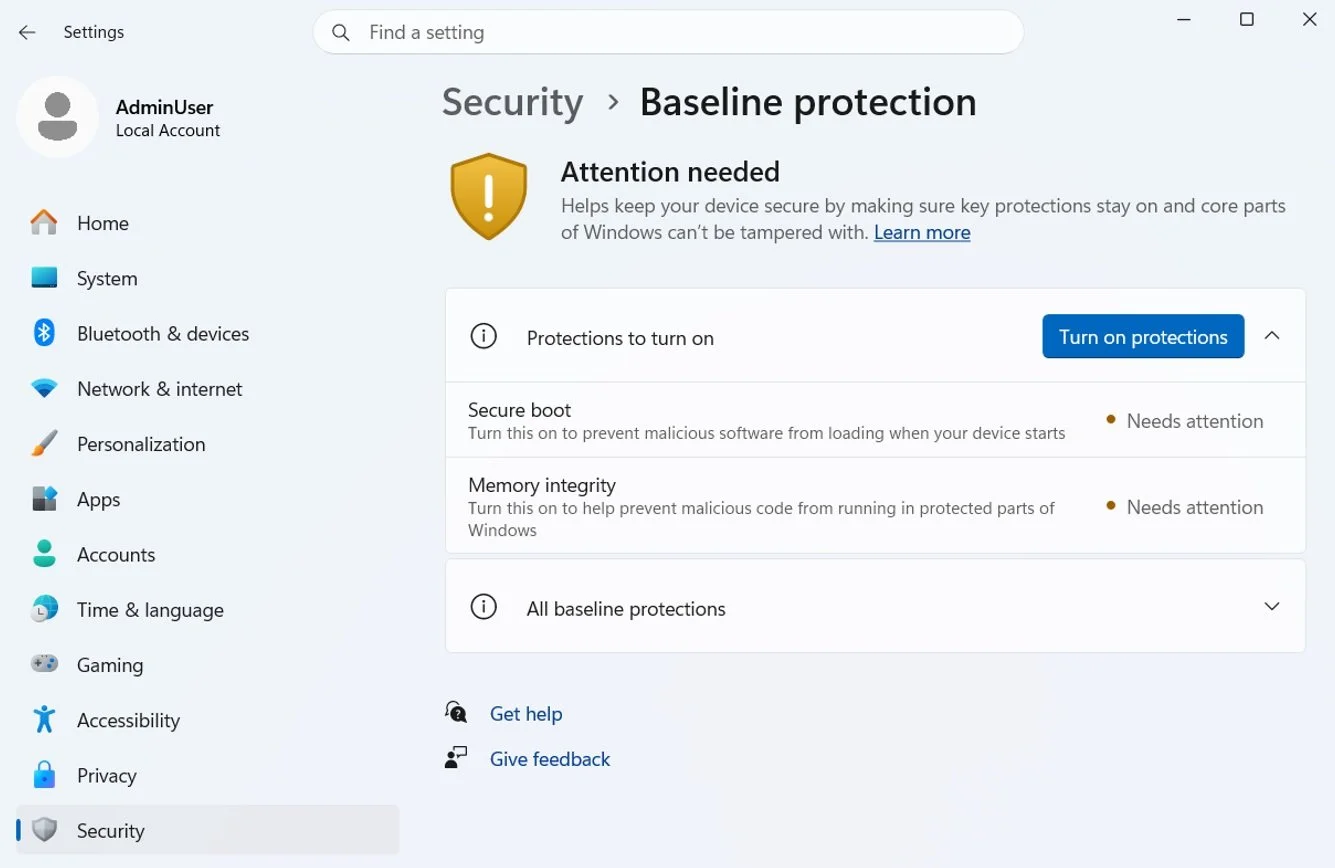
The biggest concern is how software developers can use these verification results. Microsoft confirms that applications can continue running normally, display warnings, restrict certain features, reduce functionality, or block access entirely. This gives developers considerable control over software availability depending on the security configuration of individual computers. However, Microsoft is not automatically blocking applications that fail verification, and neither Adobe nor Blizzard has announced mandatory restrictions based on the new system.
For PC gamers and hardware enthusiasts, this could introduce additional compatibility challenges. Users frequently modify Windows security configurations to accommodate specialized drivers, virtualization software, hardware monitoring utilities, or performance tuning applications. Microsoft's existing Memory Integrity security expansion has already raised compatibility concerns for certain CPU undervolting tools. If developers adopt Windows Baseline Protection as a mandatory requirement, some users could lose access to applications unless they restore specific security settings, even when their hardware remains operational.
Blizzard Entertainment has expressed support for the technology, particularly its potential to strengthen security across Battle.net while minimizing complications for players. The gaming industry increasingly relies on operating system security features to combat cheating and malicious software, making standardized verification attractive to developers. However, Microsoft's decision to allow individual companies to determine enforcement policies could create inconsistent requirements across games and software platforms.
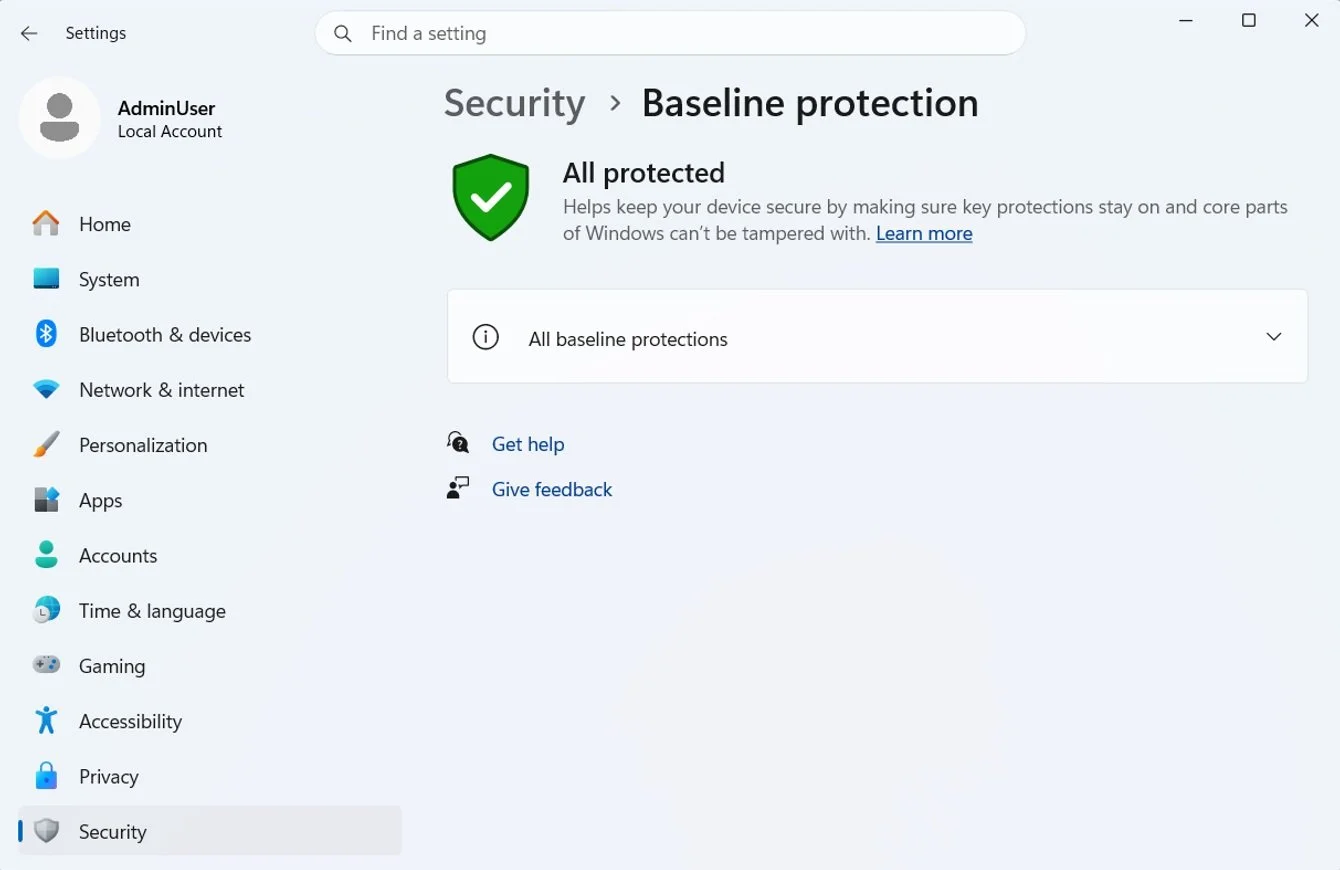
Stronger Windows security is beneficial, particularly when protecting users against malicious drivers, unauthorized system modifications, and sophisticated cheating software. However, security improvements should not come at the expense of PC ownership and user control. Allowing developers to restrict software based on system configurations creates another potential barrier for enthusiasts who customize their hardware and operating systems.
A personally owned computer should remain under its owner's control, especially when legitimate applications and games have already been purchased. Microsoft should prioritize transparency, compatibility, and user choice while encouraging developers to implement proportionate security requirements rather than unnecessary restrictions. Security should protect the PC ecosystem without transforming optional configurations into another form of software access control.
Should Microsoft allow developers to block games and applications on PCs that fail security verification, or should users always have the final decision over their computer's security settings?
