
SpaceX has suffered a major setback in its $24 billion Starbase AI data center project after Cameron County officials rejected a proposed 100% property tax exemption lasting 10 years. The decision blocks the company's current county tax incentive request, raising questions about the financial future of one of Elon Musk's largest computing infrastructure investments in Texas.
According to Rio Grande Valley Business Journal, the Cameron County Commissioners Court voted 3 to 2 on November 17, 2026, against advancing SpaceX's request to a public hearing scheduled for December 29. The decision followed several hours of private discussions and public opposition, with County Judge Eddie Treviño Jr. and Commissioner Joey Lopez being the only members supporting further consideration.
SpaceX submitted its initial application on October 15 and revised it on November 9, requesting a complete exemption from county property taxes for 10 years. The proposed development covers approximately 444 acres near Brownsville, combining an advanced AI supercomputing campus with a dedicated natural gas power plant. According to the application, the project represents $24 billion in capital investment, with an estimated first year taxable property value of $13.8 billion and approximately 500 permanent jobs.
The company argued that the incentives would support additional investment and future expansion. However, local reporting from The Brownsville Herald indicates that SpaceX warned it could redirect current or future investments to alternative computing sites outside Cameron County if the requested exemptions were unavailable.
The decision comes amid growing opposition to large AI infrastructure developments, particularly regarding electricity consumption, water availability, environmental impact, and the use of public tax incentives. Local organizations, including the South Texas Environmental Justice Network, urged commissioners to reject the proposal, arguing that major corporations should not receive extensive tax benefits without demonstrating sufficient advantages for surrounding communities.
SpaceX maintains that the Starbase facility will generate electricity through its own natural gas power plant rather than relying primarily on the public grid. The project also proposes closed loop cooling systems to reduce water requirements, although detailed operating consumption figures have not been publicly established.
According to Reuters, the Starbase development is part of SpaceX's broader $74 billion AI infrastructure expansion, which includes another approximately $50 billion supercomputing campus planned for Arizona. The investment reflects the company's growing ambitions in commercial AI computing as it expands its GPU infrastructure and customer services.
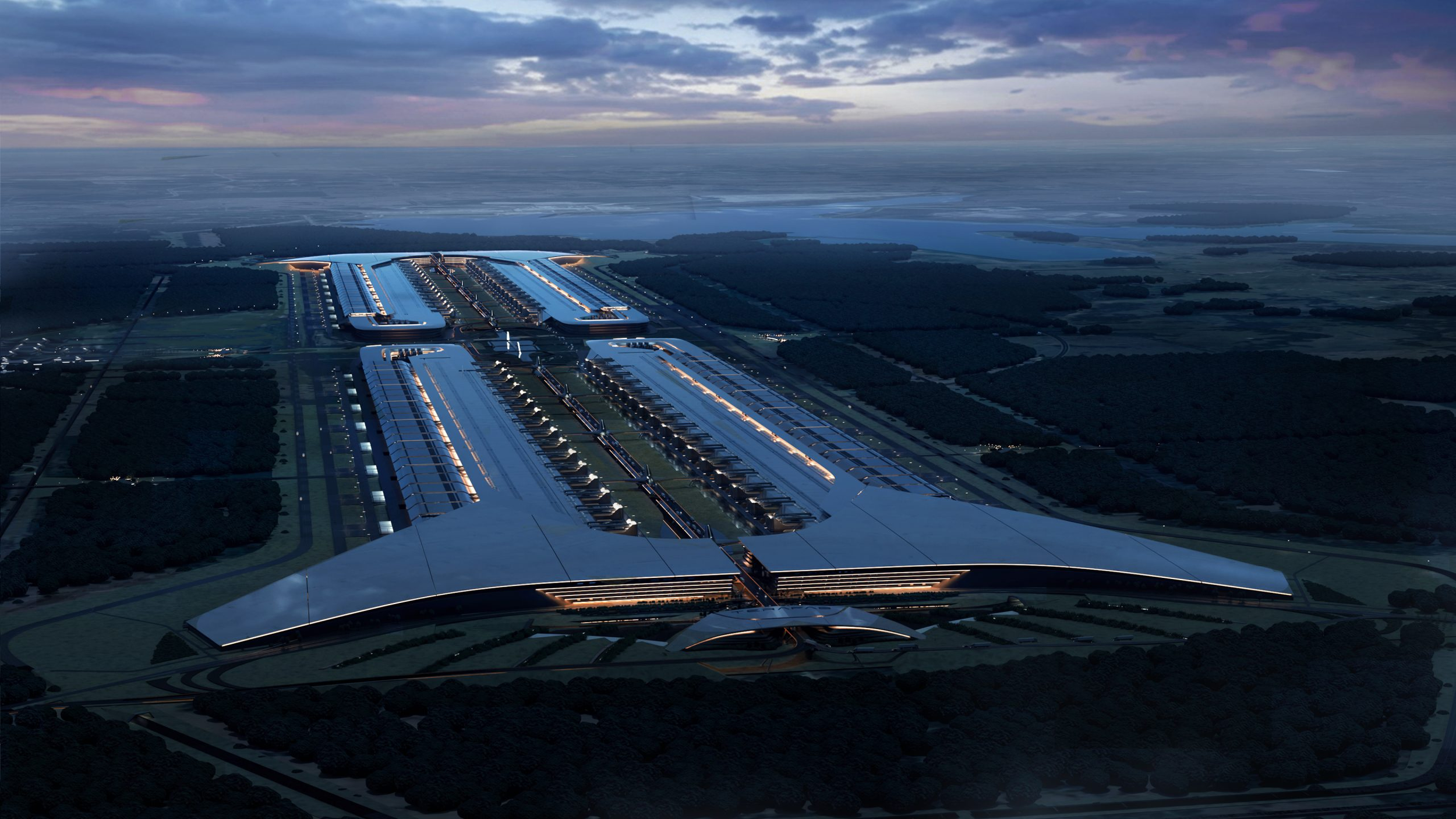
Importantly, the county vote does not cancel the $24 billion project or prevent its construction. It rejects the current county tax incentive process, while the separate Starbase City Commission hearing scheduled for December 9 remains another opportunity for SpaceX to pursue local tax benefits.
The situation highlights growing scrutiny of AI data center investments, as communities across the United States increasingly challenge major computing infrastructure projects over their economic and environmental consequences.
SpaceX's rejected tax exemption raises an important question about whether major technology corporations should receive extensive public financial incentives while investing billions in AI infrastructure.
Although the project could create jobs and strengthen regional technology development, a 100% property tax exemption lasting 10 years represents a substantial concession that requires clear economic justification. Companies investing in energy intensive computing facilities should contribute fairly to local infrastructure, utilities, and public services rather than transferring development costs to taxpayers.
With AI infrastructure already placing pressure on electricity markets, semiconductor manufacturing, and consumer hardware availability, governments should prioritize transparent agreements that protect residents and encourage sustainable investment.
Should SpaceX receive a 10 year property tax exemption for its $24 billion AI data center, or should major technology companies pay their full share of local taxes?
