
Micron Confirms 24Gb GDDR7 Modules With 36 Gbps Speeds For Next Wave Discrete GPUs

Micron is officially putting a stake in the ground for the next phase of GPU memory scaling, confirming 24Gb GDDR7 devices capable of 36 Gbps data rates and positioning them as a practical unlock for both high end gaming pipelines and emerging AI heavy PC workloads. The company laid out the rationale in its new Micron blog post, focusing on a reality gamers already feel every day: modern rendering is increasingly bottlenecked by VRAM capacity and bandwidth, not just shader throughput.
Micron’s headline combination is simple but strategically meaningful. A 36 Gbps data rate moves well beyond the 28 Gbps to 30 Gbps class speeds currently associated with early GDDR7 deployments, while 24Gb density pushes memory capacity scaling forward for the same physical footprint per memory device. In discrete GPU terms, that translates into more headroom to keep larger texture sets, geometry, lighting data, ray tracing structures, and AI assisted rendering buffers resident in local memory, which is exactly what reduces stutter, texture pop in, and inconsistent frame pacing when scenes get heavy.
Micron’s framing is notable because it is not only about AI. The company directly ties higher VRAM capacity and bandwidth to the quality of real time visuals, especially where ray tracing and ultra high resolution textures are common, and where open world streaming constantly pressures the memory pool. When a GPU runs out of local memory budget, the system is forced into asset swapping behavior, and that is where the gamer pain shows up as mid scene hitches, uneven frame times, and sudden drops in worst case moments.
On the AI PC side, Micron is pointing to a future where the GPU is increasingly a shared accelerator for both graphics and on device AI tasks. More bandwidth and larger effective capacity help keep models and intermediate buffers in place, improving consistency for neural graphics, generative workflows, and hybrid CPU GPU NPU execution paths. The key message is that GDDR7 is not just a faster spec sheet number, it is foundational infrastructure for the next wave of mixed workloads.
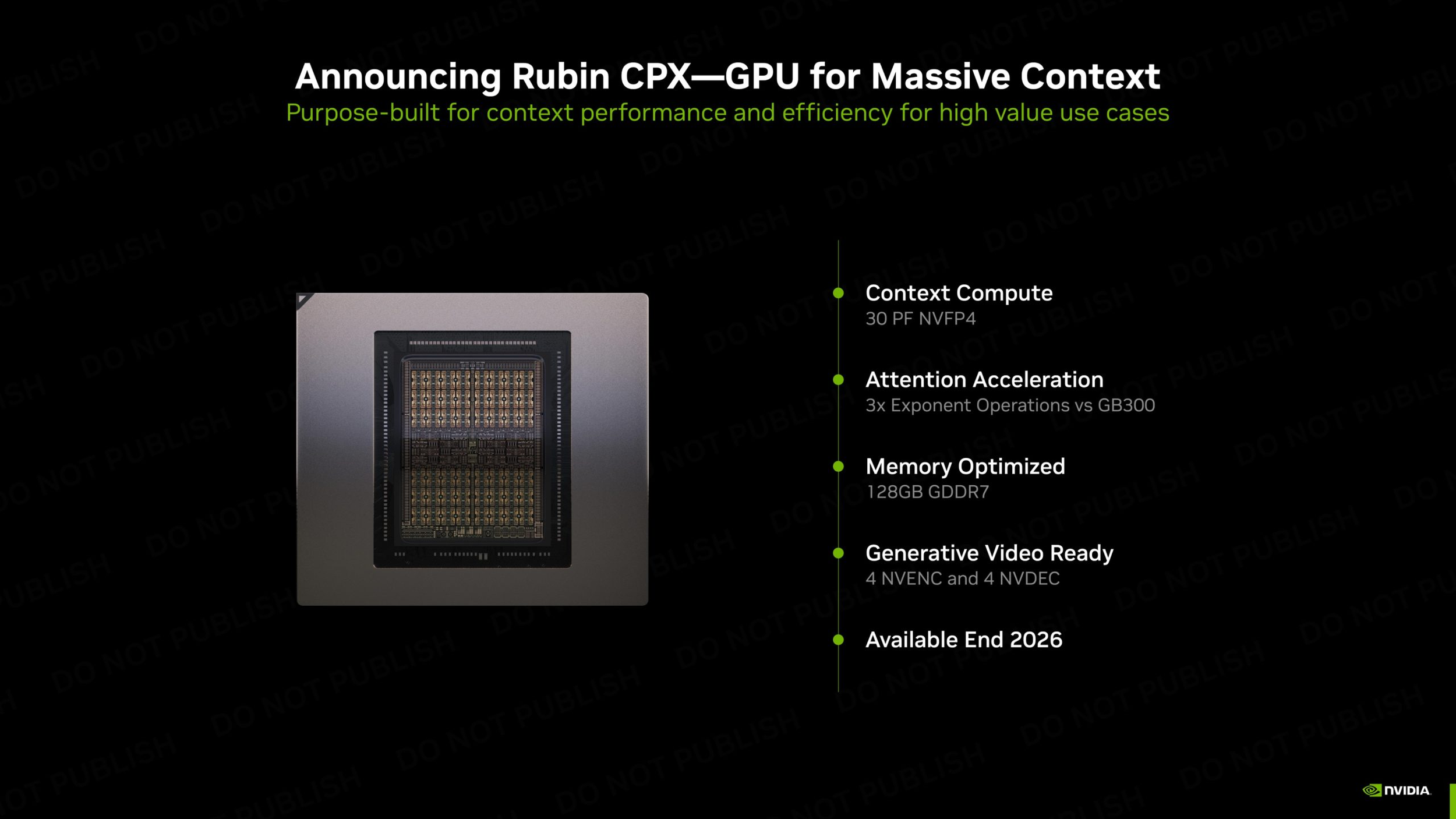
Using Micron’s described configuration expectations, these are the bandwidth levels associated with common bus widths at 36 Gbps and the corresponding VRAM amounts based on typical site counts:
128 bit at 36 Gbps: 576 GB/s and 12 GB with 4 sites
192 bit at 36 Gbps: 846 GB/s and 18 GB with 6 sites
256 bit at 36 Gbps: 1152 GB/s and 24 GB with 8 sites
320 bit at 36 Gbps: 1440 GB/s and 30 GB with 10 sites
384 bit at 36 Gbps: 1728 GB/s and 36 GB with 12 sites
512 bit at 36 Gbps: 2304 GB/s and 48 GB with 16 sites
For gamers, the practical benefit is not just higher peak numbers. The real win is smoother delivery under sustained pressure, meaning fewer moments where the GPU has to juggle memory residency and compromise frame consistency. For creators and AI users, it is the same story: fewer memory pressure events, better throughput under concurrency, and stronger predictability for workflows that rely on large working sets.
Micron also signals that this is not the ceiling. The company references prior disclosure around densities beyond 24Gb and speeds beyond 36 Gbps, while the broader market has already been priming the conversation around even higher data rates. The limiting factor in the near term is not demand, it is supply and qualification cadence, since DRAM makers are currently focused on navigating industry constraints and ensuring stable ramps for new configurations.
For the GPU roadmap watchers, the strategic takeaway is that 24Gb at 36 Gbps creates an obvious runway for future discrete GPU refreshes and next wave launches to push both capacity and bandwidth without forcing extreme bus width jumps. That is exactly the kind of scalable lever the industry wants, because it improves real world experience while keeping board design tradeoffs manageable.
If next generation GPUs ship with 24Gb 36 Gbps GDDR7, would you rather see vendors prioritize higher VRAM capacity first, or higher bandwidth first, and what games or workloads would you test to prove the difference?
