
Manli Launches UF RTX 5060 Series With GPU Sag Detection
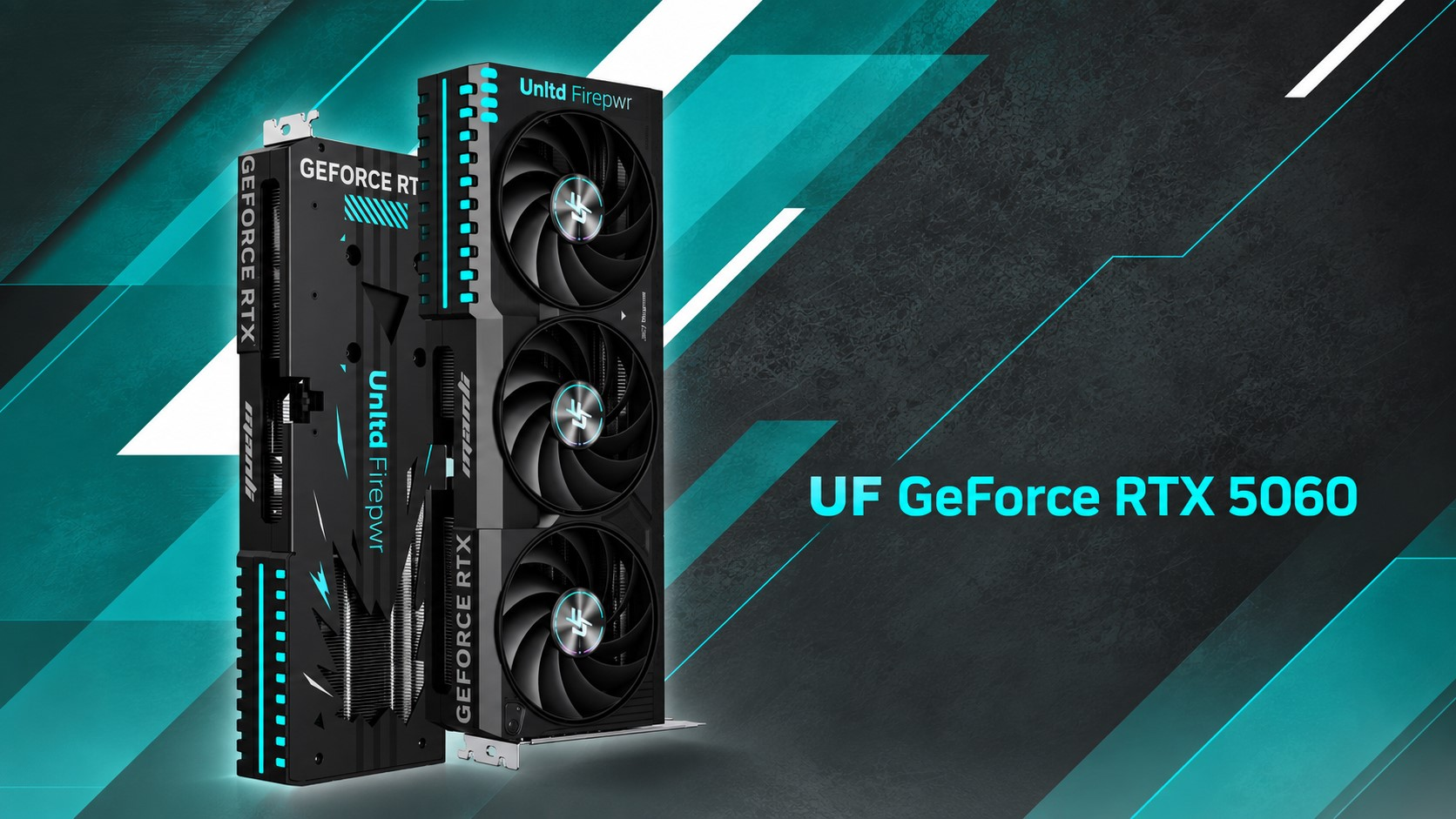
Manli has introduced its new UF series, short for Unlimited Firepower, with the first lineup consisting of the GeForce RTX 5060 OC and RTX 5060 Ti 8 GB OC. Beyond the factory overclock and triple fan cooling system, the most unusual addition is a G Sense sensor designed to monitor the physical alignment of the graphics card and alert users if abnormal GPU sag is detected.
The Manli UF GeForce RTX 5060 OC features 3840 CUDA cores with a 2280 MHz base clock and 2550 MHz boost clock, alongside 8 GB of GDDR7 running at 28 Gbps across a 128 bit interface for up to 448 GB/s of memory bandwidth. Graphics card power is rated at 145 W. The RTX 5060 Ti 8 GB OC increases the configuration to 4608 CUDA cores with a 2407 MHz base clock and 2632 MHz boost clock while maintaining the same 8 GB GDDR7 configuration and 448 GB/s bandwidth, with power rising to 180 W.
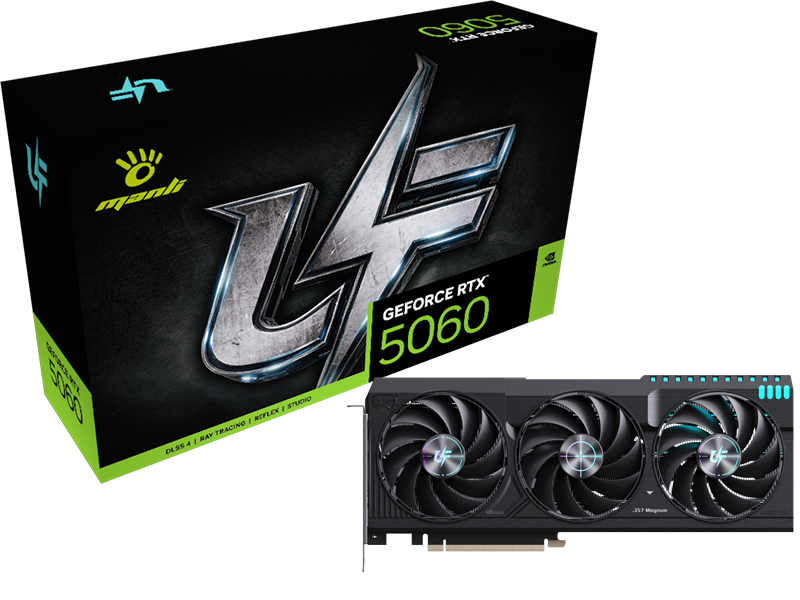
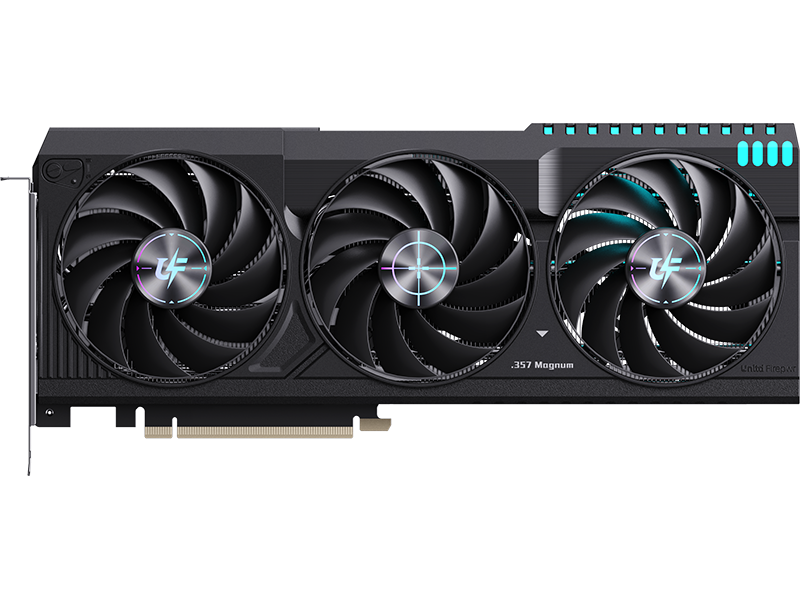
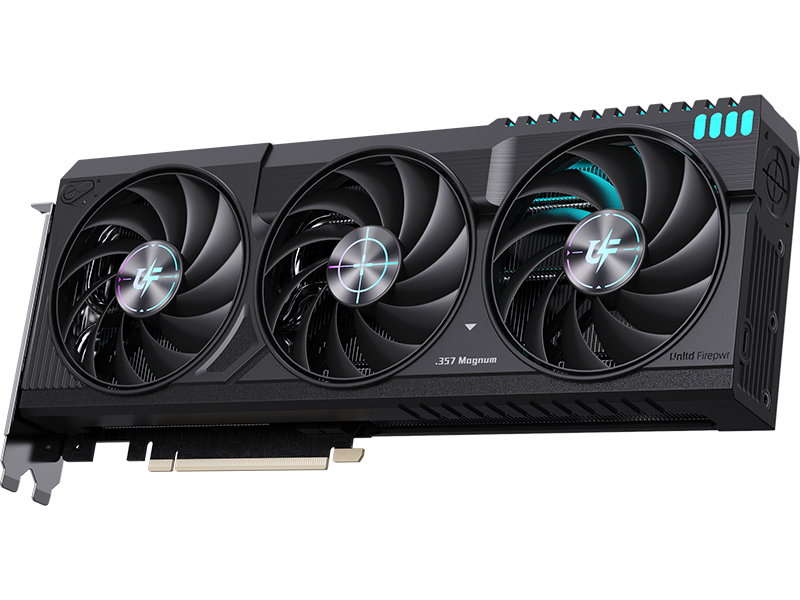
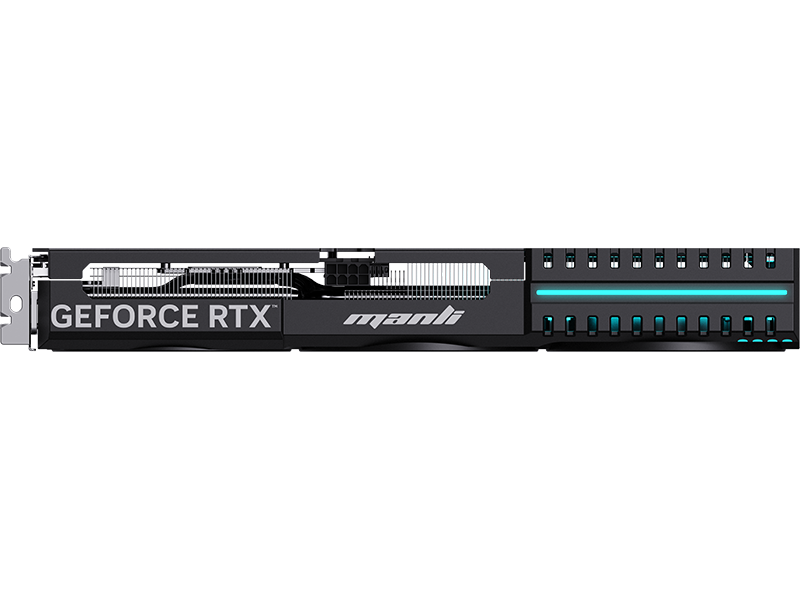
Both cards use a 2 slot design measuring 324 x 143 x 42 mm and feature 3 92 mm fans, a large heatsink, an aluminum base plate and 3 6 mm composite copper heat pipes. Fan stop functionality reduces noise during idle operation, while the metal backplate and diecast shroud provide additional structural rigidity. Display connectivity includes 3 DisplayPort outputs and 1 HDMI port.
The standout feature remains G Sense. The onboard sensor continuously monitors GPU alignment, with the Manli App providing notifications if the card begins sagging beyond its expected position. The same software also handles hardware monitoring and card controls. GPU sag has become increasingly relevant as modern graphics cards have grown larger and heavier, although support brackets remain the more conventional solution.
The new UF cards arrive while Manli parent company PC Partner has already warned that graphics card availability could tighten further during 2H 2026, particularly across entry level products. Manli has not yet announced pricing or regional availability for either UF model.
GPU sag detection is not going to replace a proper support bracket, but integrating a sensor directly into the graphics card is a clever way to detect gradual movement before it becomes obvious. The more interesting question is whether Manli eventually expands G Sense beyond the RTX 5060 family into its larger and considerably heavier high end cards, where the feature could be even more useful.
Would you find automatic GPU sag warnings useful, or is a physical support bracket still the better solution?
