
MAINGEAR Launches Bring Your Own RAM Builds, Letting Gamers Order DDR5 PCs Without Memory Kits
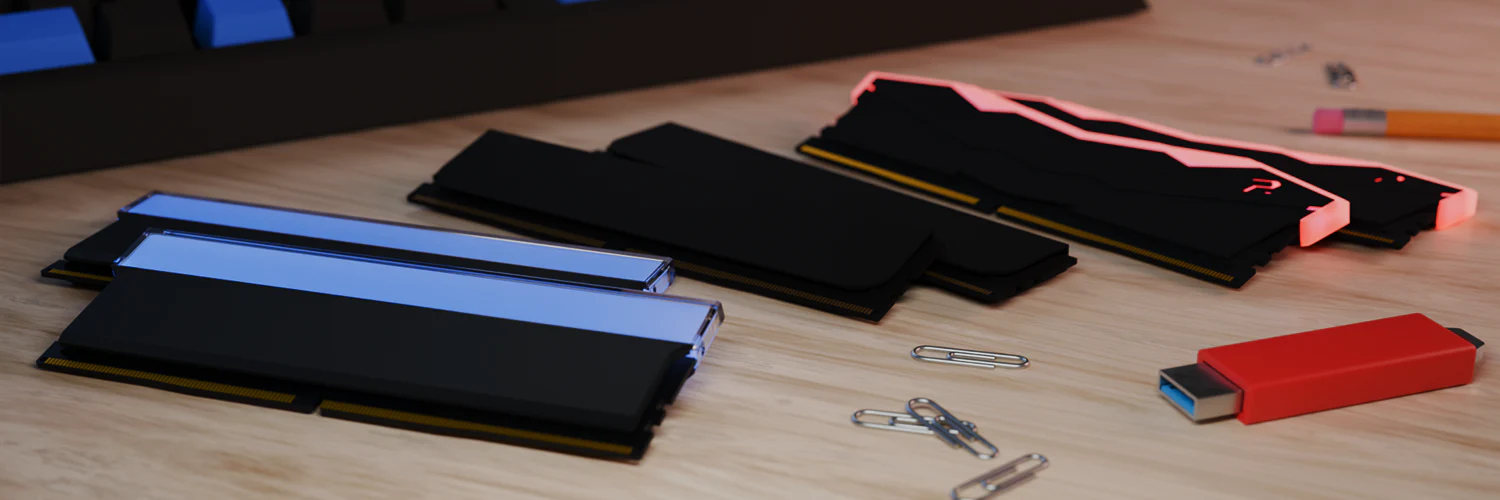
MAINGEAR is rolling out a new option that directly targets one of the most frustrating pain points in today’s DIY and pre built market: DDR5 availability and pricing swings. Through its new BYO RAM Builds program, customers can configure a custom MAINGEAR desktop either with DDR5 memory installed or with no memory kit purchased through the build, then supply a compatible kit themselves for MAINGEAR to integrate and validate before the system ships. The company has published the program details in its official BYO RAM program announcement, alongside a dedicated landing page at the BYO RAM page.
The core value proposition is simple and gamer first. MAINGEAR is acknowledging that DDR5 pricing has become unpredictable, and in many cases punishing, while inventory can be inconsistent across popular capacities and speeds. Instead of forcing buyers into inflated bundle pricing or delaying their entire build, the company is letting customers lock in the desktop configuration they want now, then source DDR5 on their own timeline. That can mean deal hunting, buying from a preferred retailer, timing the market, or even reusing memory already owned.
Operationally, MAINGEAR is positioning this as a controlled workflow rather than a loose do it yourself handoff. The process is designed to keep the premium pre built promise intact: customers select a BYO RAM eligible configuration, follow MAINGEAR’s compatibility guidance, and then either provide the kit for installation during the build process or purchase a kit elsewhere and ship it to MAINGEAR for pairing. Importantly, MAINGEAR says every BYO RAM system still goes through its standard system validation before shipping, which is the key differentiator versus buying a barebones build and hoping everything trains and boots cleanly on first power on.
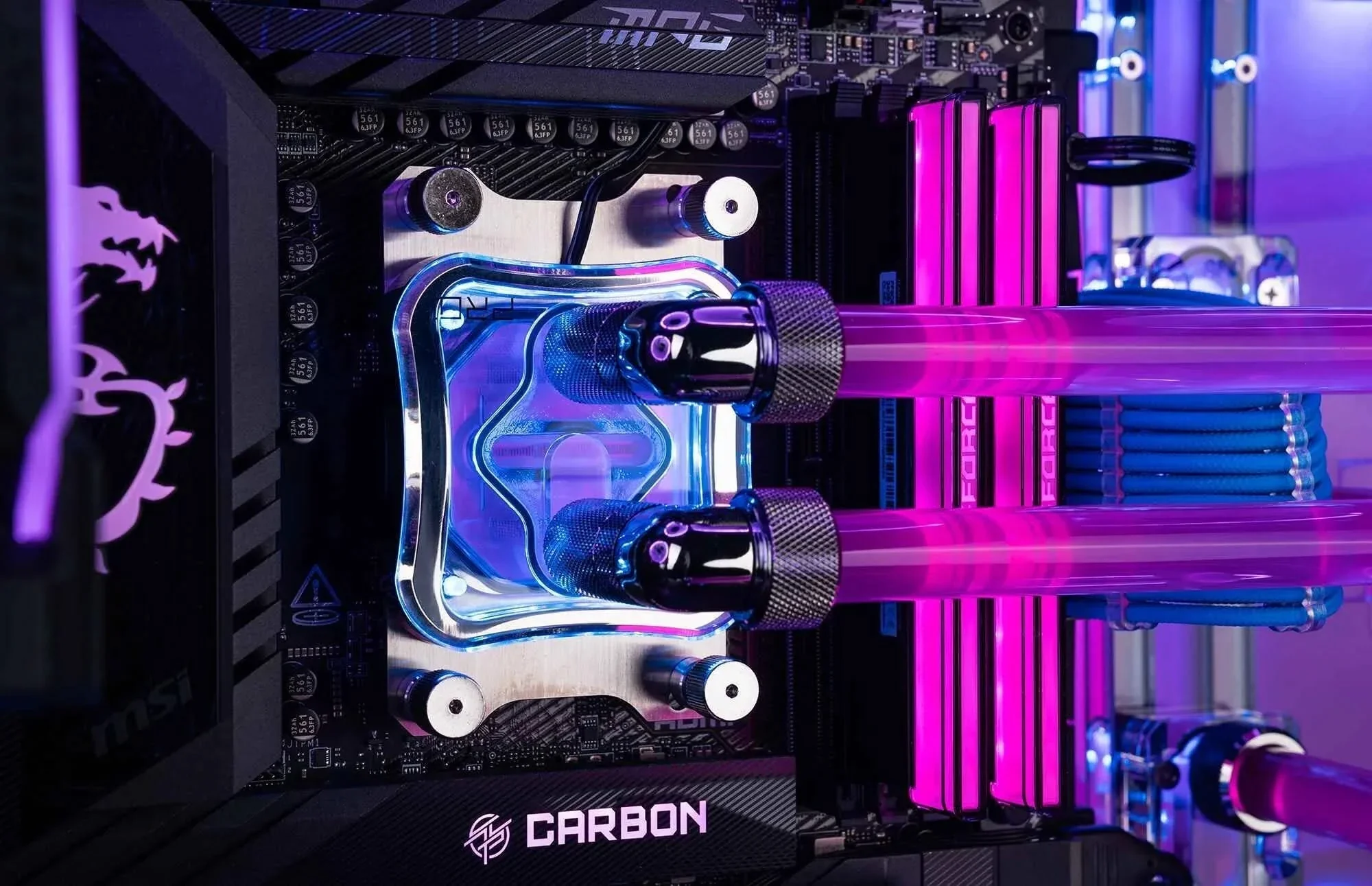
From an industry perspective, this is an unusually pragmatic move that could signal a broader shift in how pre built vendors package components during supply constrained cycles. Memory is a foundational dependency, and when it becomes the bottleneck, it creates a cascading slowdown across finished system sales. MAINGEAR’s approach effectively decouples the build schedule from the most volatile part of the bill of materials, while still controlling quality through its validation pipeline. For gamers, the upside is flexibility and potential savings. For MAINGEAR, the upside is demand continuity and reduced exposure to sudden cost spikes that can erode margins or force constant repricing.
There are also some practical implications buyers should keep in mind. If you choose to supply your own DDR5 kit, you are taking responsibility for selecting a kit that aligns with MAINGEAR’s supported specifications for the chosen platform and motherboard. That is not a downside, it is simply the tradeoff that makes the program viable. In return, you get to optimize around your own priorities, whether that is low latency tuning, high frequency profiles, a preferred brand, or targeting a specific price point when inventory briefly normalizes.
If DDR5 pricing continues to stay elevated into 2026, this kind of RAM optional configuration could become a standard pre built feature, especially for enthusiast tier systems where memory kits represent a meaningful portion of the total build cost. MAINGEAR is effectively betting that many buyers would rather control the memory purchase themselves than pay a premium just to complete a build on a vendor’s timeline.
Will you upgrade your PC between 2026 to 2027, and if so would you rather bring your own DDR5 kit or still prefer a fully bundled pre built configuration?
