
AMD EXPO 1.20 Spotted in HWiNFO Beta, Next Wave of DDR5 OC Profiles and AM5 CUDIMM Plans Start Taking Shape for 2026

AMD’s AM5 platform launch came with a clear memory strategy: EXPO, a Ryzen tuned set of one click DDR5 overclocking profiles built to streamline stability, latency tuning, and user adoption across board partner ecosystems. While AM5 has remained compatible with both EXPO and Intel XMP, EXPO has been positioned as the cleaner, platform optimized path for Ryzen owners who want performance uplift without spending hours in BIOS.
Now, a new signal suggests AMD is preparing a meaningful EXPO refresh. In the latest HWiNFO beta release, the changelog includes “Added AMD EXPO 1.20 support”, implying that AMD is working on an updated EXPO revision that tools are beginning to recognize at the software layer.
From a practical enthusiast perspective, this matters because the memory stack on AM5 has been evolving quickly through AGESA firmware maturity and board level tuning. Board partners have already pushed DDR5 compatibility and training behavior forward over time, enabling faster DIMM support and higher validated overclock ceilings on certain platforms. An EXPO 1.20 refresh is likely aimed at tightening that full pipeline, meaning better profile interpretation, smoother memory training outcomes, and cleaner interoperability as new DIMM types and sensors enter the market.
Even without public specs yet, the strategic rationale is easy to map. AMD’s next APU wave, widely expected to drive strong mainstream adoption, benefits disproportionately from memory efficiency and stability. If the rumored Ryzen 9000G family lands in the first half of 2026 with a monolithic design combining Zen 5 cores, RDNA 3.5 integrated graphics, and a tuned XDNA 2 NPU, memory profile quality becomes a performance multiplier for gaming and creator workloads because iGPU performance and system responsiveness are often memory constrained.
In other words, EXPO 1.20 could be less about headline chasing and more about scaling repeatable, board partner friendly DDR5 tuning so users can hit higher stable speeds with fewer edge case failures and fewer manual interventions.
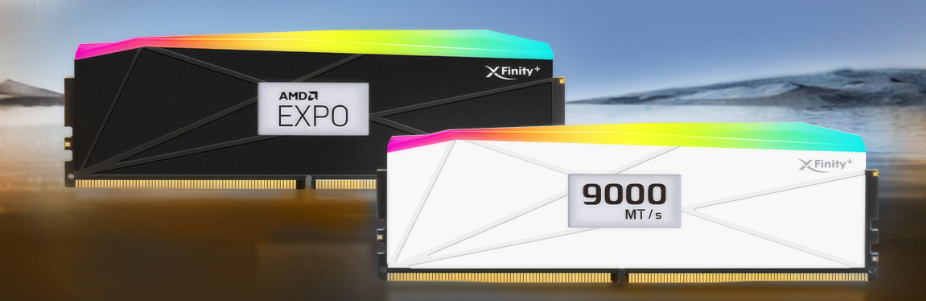
Separate from EXPO 1.20 itself, board maker chatter indicates AMD is actively working toward enabling CUDIMM support on future CPU platforms while retaining AM5, with expectations pointing to Zen 6 based Ryzen in the second half of 2026. If that materializes, it would move AMD closer to feature parity with Intel’s desktop direction, where CUDIMM has already been part of the platform story and is expected to expand further with upcoming desktop refresh cycles.
For gamers and overclockers, CUDIMM support is less about a single spec sheet win and more about long term headroom, training behavior consistency, and high frequency stability potential as memory signaling and clocking strategies evolve.
If you are building coverage or advising readers who will chase EXPO 1.20 and future profile behavior, the most credible approach is controlled validation. The highest value checks are straightforward:
First, confirm BIOS and AGESA are current for the specific AM5 motherboard, because profile behavior often changes dramatically with firmware revisions. Second, validate training stability with repeat cold boots, because many high speed DDR5 issues are not obvious in a single warm reboot. Third, stress test memory and IMC stability using a long duration workload that mirrors real gamer behavior, including extended play sessions, shader compilation heavy titles, and background capture workflows. The goal is not just passing a benchmark run, but ensuring consistent stability under real usage patterns that punish memory error margins.
Even if EXPO 1.20 and eventual CUDIMM support push the ceiling higher, pricing is the constraint that could throttle adoption. The current market narrative from the enthusiast side continues to highlight DRAM supply pressure tied to broader industry demand, and the claim is that premium DIMM pricing could remain elevated through 2026. In the example being circulated, a CUDIMM that previously landed around US$400 to US$500 is now claimed to be closer to US$800 to US$1,000, with additional increases expected across 2026. Whether those levels hold will depend on supply realities and vendor positioning, but the concern is real for builders trying to balance platform upgrades with GPU budgets.
If EXPO 1.20 becomes a real platform wide upgrade, would you rather see AMD prioritize higher plug and play DDR5 frequency targets, or tighter low latency profiles that improve minimum FPS and frame time consistency in competitive games?
