
Lexar Introduces THOR Z RGB DDR5 Memory With Intel XMP 3.0 and AMD EXPO Support
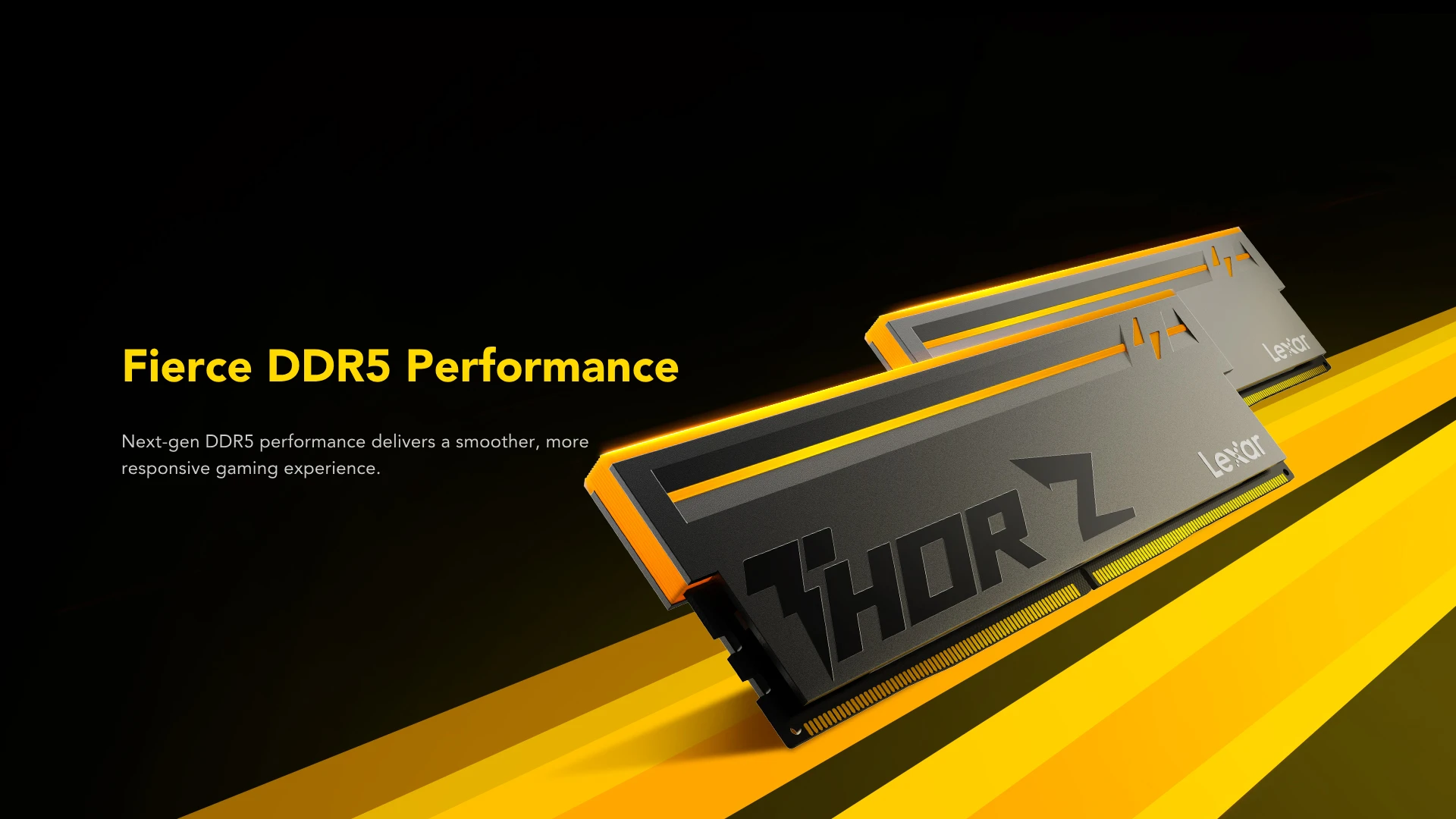
High end DDR5 memory launches have noticeably slowed down compared to early 2025, a period when new flagship kits were arriving regularly and memory overclocking records were being broken at a rapid pace. Ongoing DDR5 IC shortages have reshaped the market, pushing many manufacturers to pivot toward more accessible kits with conservative specifications rather than chasing extreme frequencies. Against that backdrop, Lexar has officially introduced its new THOR Z RGB DDR5 memory series, a product line that prioritizes aesthetics and platform compatibility over raw enthusiast tier performance.
On its official product materials, Lexar emphasizes design and visual appeal as the core differentiators. The THOR Z RGB modules are marketed with a sleek minimalist heatsink design paired with brighter RGB illumination, positioning the kit squarely toward mainstream gamers and system builders looking to enhance visual presentation without stepping into premium pricing territory. While Lexar also highlights fierce DDR5 performance, the actual specifications clearly indicate that this is not intended to compete with the fastest enthusiast grade memory currently available.
The Lexar THOR Z RGB DDR5 lineup is launching with a 32GB configuration, using a dual channel 2 x 16GB kit. The memory operates at speeds of up to 6000MT/s and is offered in two timing variants, one tuned for slightly lower latency and another for lower operating voltage. Support for both Intel XMP 3.0 and AMD EXPO profiles ensures straightforward memory tuning on modern Intel and AMD platforms, allowing users to apply optimized settings directly through the BIOS without manual parameter adjustments.
In terms of detailed specifications, the 32GB kit features a DDR5 288 pin interface and ships with dual profile options at 6000MT/s. One configuration runs at CL38 48 48 96 with 1.35V, while the alternative profile offers CL36 40 40 96 at 1.4V. These specifications closely mirror Lexar’s existing THOR RGB 2nd Gen DDR5 memory, which is available in capacities scaling up to 128GB, suggesting that the THOR Z RGB refresh is more of a visual and branding update than a generational performance leap.
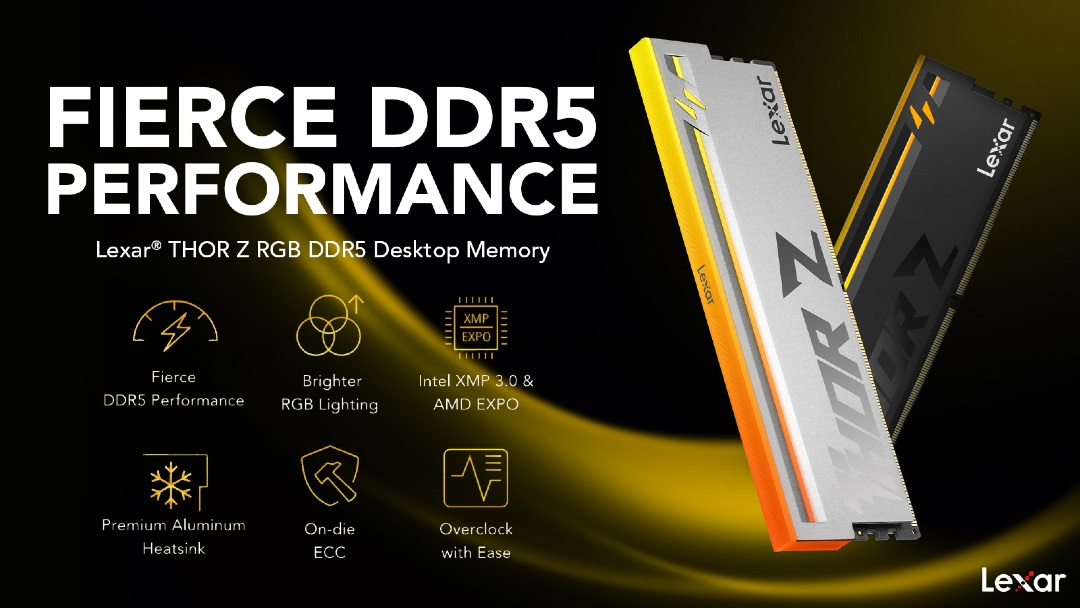
Visually, the RGB lighting zone remains unchanged from previous THOR designs, delivering a wide and evenly diffused glow that integrates cleanly with popular motherboard lighting ecosystems. The memory is compatible with major RGB control software suites including ASRock Polychrome SYNC, ASUS AURA SYNC, GIGABYTE RGB FUSION 2.0, and MSI Mystic Light SYNC, giving builders full control over synchronization and lighting effects across their systems.
Lexar has not yet disclosed official pricing or retail availability for the THOR Z RGB DDR5 32GB kit. Based on current DDR5 market conditions and comparable offerings, expectations are that the kit will land at a price point in the several hundred dollar range, positioning it as a visually enhanced mainstream option rather than a value focused budget kit.
From a market perspective, the THOR Z RGB launch reflects the current reality of the DDR5 ecosystem. With IC supply constraints limiting high frequency binning, manufacturers are leaning into design, RGB differentiation, and broad platform compatibility to maintain momentum until the next wave of high performance memory becomes viable again.
Would RGB design and platform flexibility be enough for you to choose this kit, or are you holding out for the return of true flagship DDR5 memory once supply stabilizes? Share your thoughts below.
