
Intel Says Panther Lake E Core Gains Will Tilt Handheld Gaming Against AMD
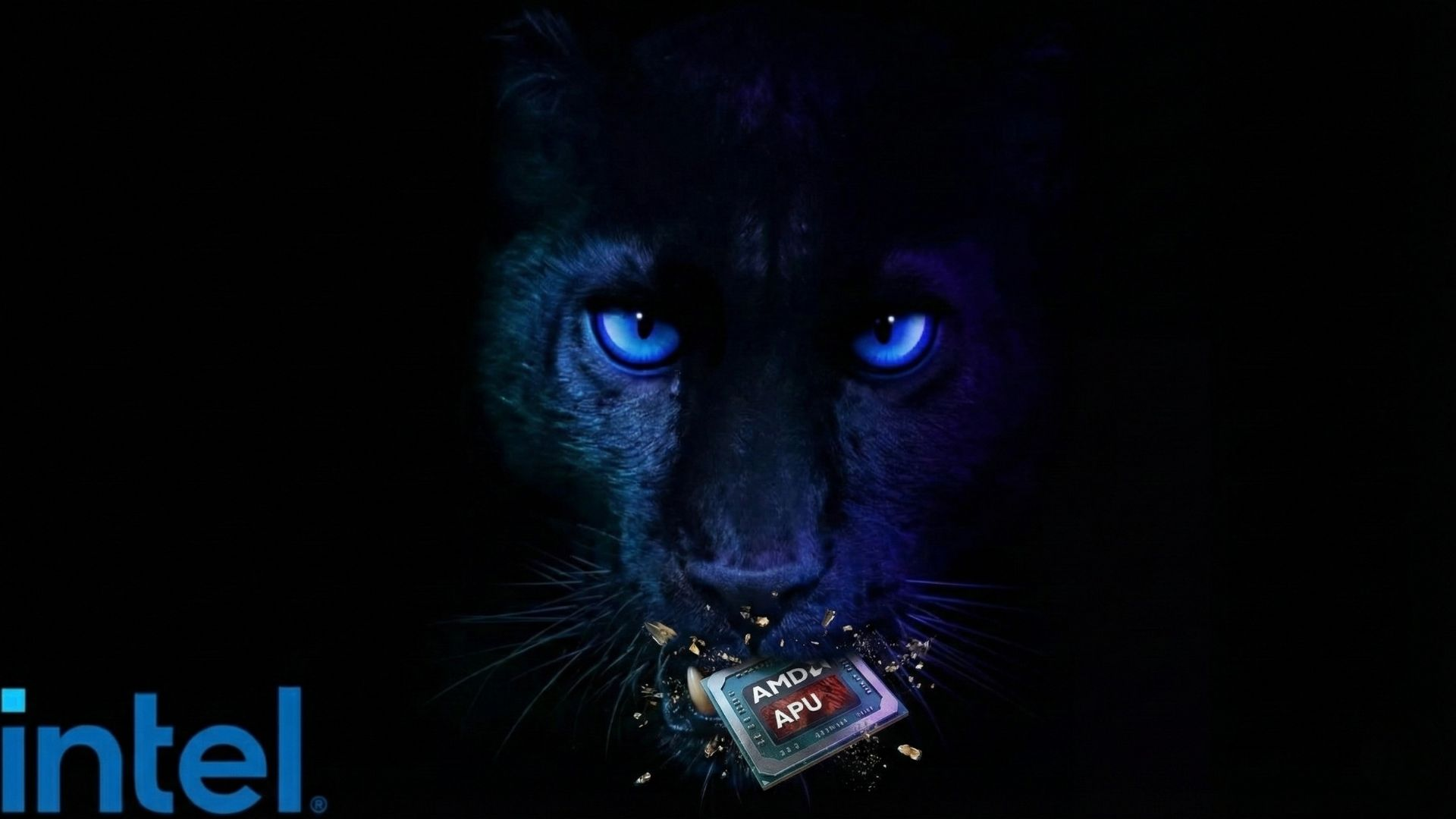
Intel is escalating the handheld PC narrative coming out of CES 2026, positioning Panther Lake as the platform that can finally flip the segment where AMD has effectively set the pace for years. In a CES side interview with PCWorld, Intel executive Nish Neelalojanan framed the next wave of handheld chips as a turning point and did not mince words about the current market reality.
Neelalojanan’s headline jab at AMD was blunt and clearly engineered to cut through the usual keynote polish: they are selling ancient silicon while Intel is selling up to date processors specifically designed for this market. This is not just competitive banter, it is a strategic message meant to reset how buyers and OEM partners evaluate handheld roadmaps in 2026, especially as performance per watt becomes the deciding metric rather than peak laptop class benchmarks.
Intel’s core thesis is that Panther Lake’s efficiency story is powered by architectural progress in its E Cores, with the new Darkmont generation positioned as the big lever for handheld gaming where battery life, sustained clocks, and thermals determine the real world experience. In this framing, E Core improvements are not background silicon trivia, they are the differentiator that lets a device hold stable performance without turning into a fan screaming heat brick after fifteen minutes of play.
What makes this particularly interesting for the handheld ecosystem is the uncertainty around Intel’s go to market packaging. Intel still has not formally unveiled a dedicated Core Ultra X handheld portfolio, and when pressed on how the strategy will land, the response was essentially you will have to wait and see. That leaves two high probability paths on the table. A new handheld focused lineup that competes directly with AMD’s Z series positioning, or tuned variants of existing mobile parts with power targets and firmware profiles optimized for thin battery constrained designs.
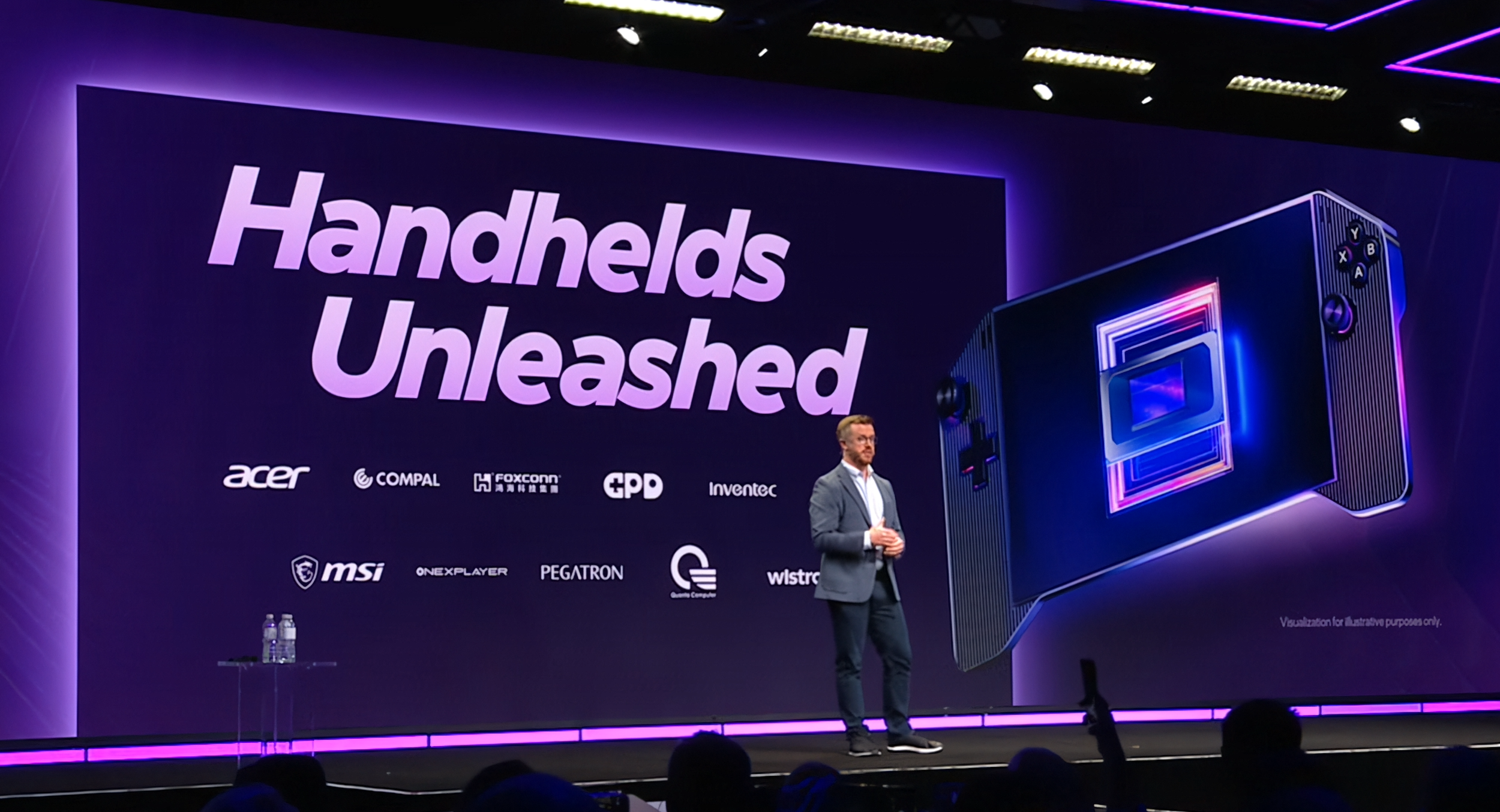
From a gamer and reviewer perspective, this is the moment where marketing claims collide with the realities of handheld play. If Panther Lake can actually deliver better sustained frame pacing at lower wattage, it could translate into quieter devices, longer sessions, and less thermal throttling in demanding titles. At the same time, AMD’s current dominance is rooted in shipping volume, proven drivers, and broad OEM adoption, so Intel will need more than aggressive quotes to break the incumbent advantage.
If Intel is serious about winning handhelds, the execution checklist is clear. Consistent efficiency behavior across multiple OEM designs, strong day one driver maturity for integrated graphics, and a straightforward product naming stack that makes it obvious which chips are made for portable gaming. The handheld war might be coming, but the market will ultimately crown the platform that feels best in hands, not the one that sounds best on stage.
Do you think Intel can realistically disrupt AMD’s handheld lead in 2026, or will AMD’s ecosystem momentum and proven tuning keep it on top even if Panther Lake lands with stronger efficiency?
